


More news on this day
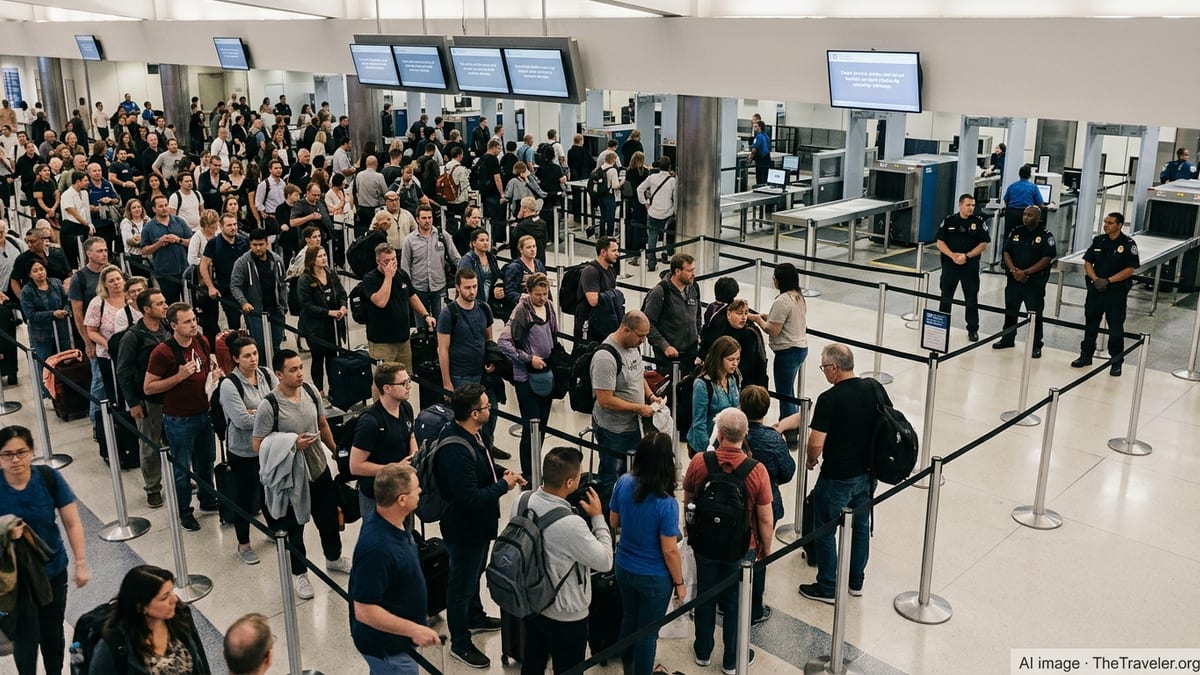
Passengers traveling through Montreal–Trudeau International Airport on June 13, 2026, are experiencing a difficult start to the peak summer season as at least six flights are canceled and more than 50 are delayed across key North American and transatlantic routes.
Get the latest news straight to your inbox!
Operational Strain Across Multiple Carriers
Publicly available flight-tracking boards and airport information on Saturday indicate that regional operator Jazz, leisure carrier Air Canada Rouge, holiday specialist Air Transat, and northern carrier Air Inuit are among the airlines facing disruption at Montreal–Trudeau. The pattern shows a mix of outright cancellations and rolling delays that are extending wait times for departures and arrivals throughout the day.
The six cancellations identified so far are spread across domestic and short haul North American services, where regional partners such as Jazz and specialty operators such as Air Inuit provide feeder traffic into Montreal–Trudeau. These cancellations are compounding pressure on mainline flights by forcing rebooking onto already busy services at the start of the summer holiday period.
Alongside the cancellations, roughly 51 delayed flights are being recorded through the day, according to live airport and third party tracking data. The delays range from modest schedule slips of 30 to 45 minutes to extended holdups exceeding two hours on some routes, with ripple effects expected to continue into the evening as aircraft and crews fall out of position.
While no single cause is identified in public data, operational challenges commonly cited in recent months for Canadian carriers include tight staffing, aircraft availability, and congestion elsewhere in the network. These factors can interact, turning isolated issues on a particular aircraft or at a partner airport into a systemic wave of disruption for travelers passing through Montreal.
Major North American Gateways Affected
The disruption is especially visible on routes linking Montreal to major U.S. gateways such as New York and Los Angeles. Schedules show a dense pattern of regional and mainline services on the New York corridor, operated by Jazz under Air Canada branding as well as other partners, making this route particularly vulnerable when delays start to accumulate.
Recent history underscores how sensitive this corridor can be. Earlier in the spring, high profile incidents and congestion around New York’s LaGuardia Airport led to waves of delays and cancellations for services linking Montreal and the U.S. northeast. Today’s disruption appears less concentrated in one single event, but the same routes are again under pressure as late arriving aircraft from New York and other hubs knock subsequent departures off schedule.
Farther afield, westbound connections to Los Angeles are being affected by accumulated delays on transcontinental operations. Flights along the busy Montreal to Toronto and Montreal to western Canada corridors can act as feeders into long haul services. When those feeder flights are delayed, passengers heading to Los Angeles often face tighter connections, missed flights, or last minute rerouting, even if their long haul departure ultimately leaves close to schedule.
With weekend leisure and business travelers heading into and out of the United States, the impact of disrupted North American routes extends well beyond Montreal. Travelers connecting through the city from smaller Canadian markets or from overseas flights may find themselves spending longer than expected at the terminal as airlines work to reassemble disrupted itineraries.
Transatlantic Links to Europe Under Pressure
Montreal–Trudeau is one of Canada’s primary gateways to Europe, with particularly heavy traffic to London, Paris, Amsterdam, Rome, and other major hubs. Schedules and airport statistics highlight Paris as the busiest international route for the airport, and London and Amsterdam among the most important connecting points for European and global networks.
On Saturday, European services operated or marketed by carriers including Air Canada, Air Canada Rouge, and Air Transat are experiencing schedule slippage, even where flights remain officially listed as operating. Some departures to London and Paris are leaving later than originally planned as aircraft and crews arrive late from earlier segments, while inbound arrivals from Europe are landing behind schedule and feeding into already crowded arrival banks.
Rome and Amsterdam, typically key seasonal and year round links for Quebec travelers, are also seeing knock on effects from broader transatlantic congestion that has been reported in recent days across major European hubs. When aircraft are held up leaving or arriving at airports such as London Heathrow, Paris Charles de Gaulle, Amsterdam Schiphol, or Rome Fiumicino, the subsequent legs back to Montreal are vulnerable to delay, even if weather and operating conditions in Quebec remain stable.
For passengers, the result is a layer of uncertainty around long haul journeys at the very start of the busy summer travel window. Missed connections, revised departure times, and extended waits at gates or in transit areas are being reported as travelers attempt to navigate disrupted schedules across multiple airlines operating through Montreal.
Impact on Regional and Northern Connectivity
The day’s disruption is not confined to headline international routes. Air Inuit, which plays a critical role in linking Montreal with communities in northern Quebec and Nunavik, is among the carriers affected by delays and cancellations. Even a small number of disrupted flights can have an outsized impact on remote communities where alternative options are limited and services operate less frequently.
Regional operations by Jazz and other partners also provide vital connectivity to smaller Canadian cities, feeding passengers and cargo into Montreal’s extensive long haul network. When these flights are canceled or substantially delayed, travelers can lose same day connections to destinations such as New York, Los Angeles, London, or Paris, and may be forced to wait for the next available departure on already busy routes.
Because many regional and northern flights are operated with smaller aircraft and tight crew rotations, an issue on a single morning or midday flight can cascade into multiple later services. This pattern appears to be reflected in Saturday’s schedule, where delays are increasingly visible later in the day as aircraft cycle through multiple legs.
For travelers connecting between regional and international services, the combination of tight minimum connection times and unexpected delays increases the risk of missed onward flights. Public information from airlines and aviation forums commonly advises passengers in such periods of operational stress to allow additional buffer time between flights and to monitor booking updates closely as schedules shift.
What Travelers Through Montreal Should Expect Next
With delays and cancellations spanning at least four different carriers and affecting both short haul and long haul routes, further schedule adjustments through the remainder of June 13 are likely as airlines attempt to recover their operations. Late evening transatlantic departures and final bank North American flights are particularly vulnerable when earlier waves of flights run behind schedule.
Travelers departing from or connecting through Montreal–Trudeau are being urged by airlines and airport advisories to verify the latest status of their flights using official airline channels and on site information screens. Boarding times and gate assignments may change with limited notice as operations teams swap aircraft, reassign crews, and combine passenger loads to keep as much of the schedule moving as possible.
Those already at the airport should be prepared for longer queues at check in, security, and customer service counters as affected passengers seek rebooking and assistance. With key routes to New York, Los Angeles, London, Amsterdam, Rome, and Paris all experiencing some level of disruption, options for same day recovery itineraries may be limited, especially for larger groups and travelers with onward connections.
As peak summer travel builds, Saturday’s situation at Montreal–Trudeau illustrates how quickly pressure can mount across an interconnected network when several carriers encounter operational challenges at the same time. For passengers, careful advance planning, flexible itineraries where possible, and close monitoring of real time updates remain the best tools for navigating an increasingly unpredictable travel environment.