


More news on this day
Early-morning mist and patches of dense fog are once again emerging as a disruptive force for air travel, with airports issuing warnings that low visibility could trigger delays, diversions, and a backlog of flights later in the day.
Get the latest news straight to your inbox!
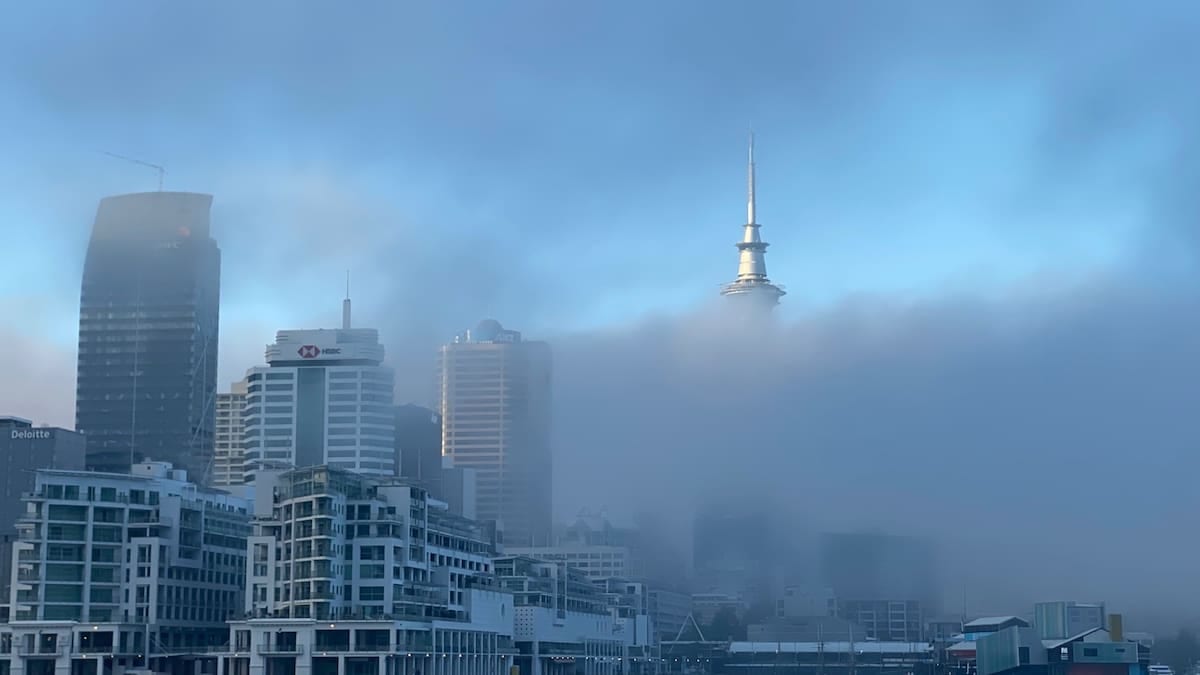
Low Visibility Threatens Morning Schedules
Early morning is traditionally one of the busiest windows for departures, and aviation guidance indicates that shallow mist or dense fog can quickly erode the safety margins needed for takeoff and landing. When visibility drops below defined thresholds on the runway, flights that would otherwise depart on time must wait for conditions to improve or be rerouted to better-equipped airports.
In recent months, published coverage from Europe and Asia has shown how fast-changing morning mist can disrupt operations. Reports from airports such as Dhaka and Bangkok describe flight schedules being pushed back or diverted when visibility suddenly deteriorated around daybreak, even after periods of relatively clear weather earlier in the week. Similar accounts from regional airports in the North Atlantic and northern Europe describe late-evening arrivals being held and early-morning departures canceled when fog banks rolled in over coastal runways.
Aviation weather briefings highlight that the problem is not just the presence of mist but how long it lingers after sunrise. When light winds and high humidity keep low cloud and haze locked in place, morning flight banks that are designed to move large numbers of passengers and aircraft through tight schedules can quickly become overloaded, setting off knock-on disruptions that last well into the afternoon.
Industry analysis notes that low-visibility procedures require greater spacing between aircraft, slower ground movements and stricter limits on which runways can be used. Even when flights are technically possible, these constraints reduce overall airport capacity, increasing the likelihood of queues, arrival holding patterns and missed connections.
Recent Cases Underscore Disruption Risk
Recent weather-related incidents in multiple regions underline the way mist and fog can ripple through airline networks. In Southeast Asia, reports from Don Mueang International Airport in Bangkok this week describe thick morning smog and low cloud forcing several flights to divert to nearby Suvarnabhumi, while inbound aircraft circled in search of clearer conditions. In South Asia, early January coverage from Dhaka detailed how a renewed spell of dense fog led to a series of morning delays, diversions and associated transport problems on surrounding roads.
Travel forums and passenger accounts from European regional hubs describe similar scenarios. Flyers in the Azores and northern Europe have reported evening departures canceled when visibility deteriorated unexpectedly, followed by complex rebookings onto morning flights once conditions improved. Some flights operating into secondary airports have been unable to land at their scheduled destination because local navigation aids and runway lighting are not certified for the lowest-visibility approaches, even when the aircraft themselves are capable of operating in fog.
Operational data from major North American hubs this week also reflects the fragility of early-day schedules when weather turns. While thunderstorms and heavy rain have drawn headlines at large airports in the Midwest and Southeast, local forecasts show that shallow ground fog remains a recurring factor in pre-dawn hours, occasionally prompting short-lived ground delays while visibility recovers.
Collectively, these cases illustrate that mist-induced disruption is not limited to any one climate or region. Instead, it is a recurring seasonal issue in coastal, river-valley and inland basin locations where cool overnight temperatures and moist air create ideal conditions for visibility to collapse just as airports ramp up their morning departure banks.
How Airports and Airlines Prepare for Morning Mist
Publicly available aviation guidance shows that airports categorize mist and fog events in terms of visibility and cloud-base thresholds, with specific operational plans tied to each level. When forecasts flag the risk of dense fog or stubborn low cloud around dawn, airport operations centers and airlines implement low-visibility procedures, scale back runway movements and adjust turnaround times to reflect slower ground handling.
Some large hubs, particularly in North America and Europe, use a combination of enhanced runway lighting, advanced landing systems and well-practiced contingency plans to keep a limited number of flights moving even in restricted visibility. However, these systems have strict performance criteria, and the need for alternative airports within range in the event of technical issues or engine failure can restrict operations if nearby locations are also mist-affected.
Smaller or regional airports with fewer technical aids and limited runway infrastructure often have less flexibility. When morning mist thickens beyond published minima, incoming flights may have to divert to larger airports, while departures are held on the ground until visibility rises. Such decisions frequently create aircraft and crew imbalances, which can cascade through an airline’s network for the rest of the day.
Operational summaries suggest that coordination between airlines, air traffic management and airport ground services is critical during these events. When low-visibility procedures are in effect, aircraft movements are slowed at every stage, from pushback and taxi to takeoff clearance. This conservative approach is designed to protect safety in congested environments where visual cues and the ability to see other traffic are temporarily reduced by mist and fog.
What Travelers Can Expect and How to Prepare
Travel industry advisories consistently encourage passengers with early-morning flights in mist-prone seasons to prepare for the possibility of disruption. This includes monitoring forecast conditions at both departure and arrival airports and checking flight status repeatedly from the evening before travel through the hours leading up to departure. When forecasts highlight dense fog or prolonged mist, some airlines allow fee-free rebooking within a limited window.
Passengers scheduled on first-wave departures are often among the first to feel the effects of degraded visibility if the airport cannot launch its morning schedule on time. Even a short ground delay for initial flights can cascade into missed connections at hub airports and tighter turnaround windows for aircraft that are scheduled to operate multiple legs throughout the day. Travelers connecting to long-haul or once-daily services are frequently advised, in travel columns and consumer guidance, to build extra time into itineraries during peak fog season.
Consumer advocates recommend carrying essentials such as medications, chargers and a change of clothes in hand luggage, in case a short delay extends into an overnight disruption. Keeping boarding passes, updated reservation details and any written airline notifications accessible can help when discussing options at customer-service desks if rebooking becomes necessary.
Published commentary also emphasizes that no carrier or airport can guarantee on-time performance when visibility falls below safety thresholds. While advanced aircraft systems and pilot training have significantly improved the industry’s ability to operate in marginal conditions, mist and fog retain the capacity to bring even well-equipped airports to a near standstill during critical morning hours.
Seasonal Outlook and Ongoing Monitoring
Meteorological outlooks for late spring and early summer in the Northern Hemisphere indicate that temperature swings between night and day will continue to create favorable conditions for early-morning mist in many regions. Coastal zones, inland waterways and low-lying terrain remain particularly susceptible, especially on calm, humid nights followed by rapid warming after sunrise.
Airport operations teams and airlines are expected to keep a close watch on localized visibility forecasts over the coming weeks, adjusting schedules and staffing as needed when conditions point to greater disruption risk. Many carriers now integrate real-time meteorological data and predictive analytics into their day-of-operations systems, allowing them to identify potential choke points earlier and offer limited rebooking options before delays fully materialize.
For travelers, the pattern emerging from recent events is clear: when forecasts mention morning mist, particularly at smaller or fog-prone airports, there is a heightened chance of disruption to early flights. Remaining flexible with travel times where possible, keeping itineraries under regular review and understanding airline policies on weather-related changes can reduce stress if low visibility forces sudden adjustments to the day’s flying plans.