


More news on this day
MSC Cruises’ decision to redraw parts of its 2026 and 2026-27 deployment is rippling through the trade, forcing travel advisors to rework long-laid plans even as they look for opportunity in the line’s renewed focus on the Caribbean and North America.
Get the latest news straight to your inbox!
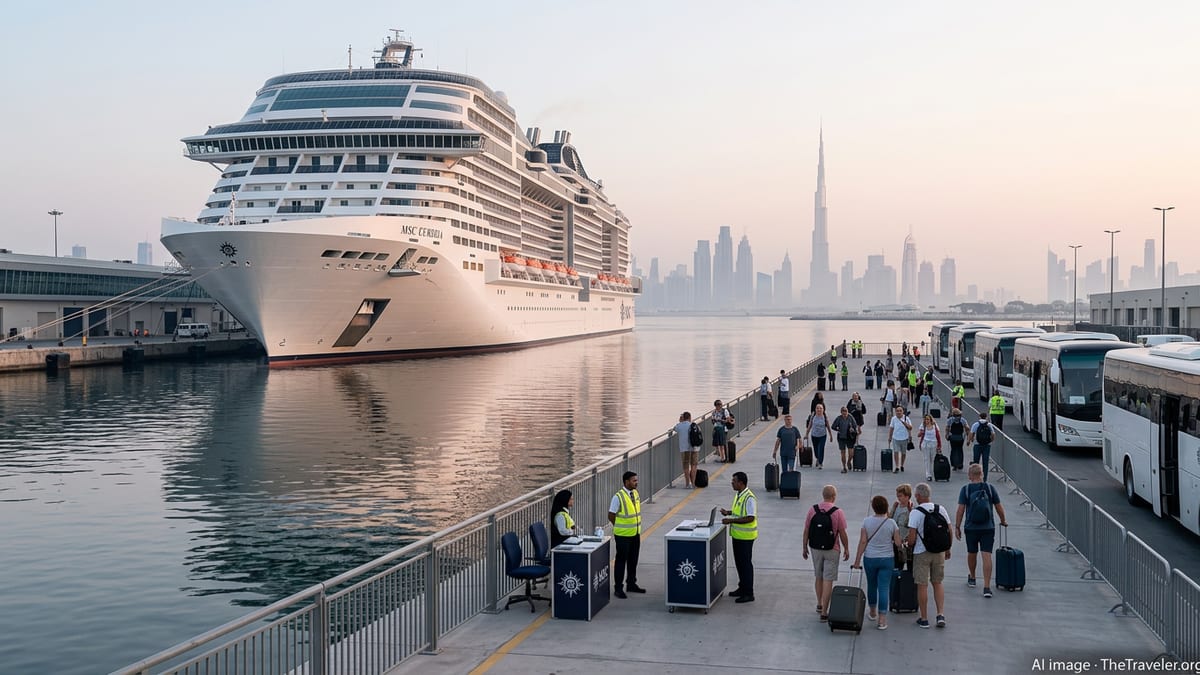
Gulf season dropped as MSC leans into Caribbean growth
Publicly available information from MSC Cruises and industry coverage indicate that the company has revised its winter 2026-27 program, dropping its previously planned Gulf season and sending the LNG-powered MSC World Europa to the southern Caribbean instead. Reports describe the change as part of a broader redeployment strategy, with World Europa replacing another MSC ship and shifting capacity away from the Middle East toward sun-focused itineraries in the Americas.
The move follows a series of adjustments across the fleet as cruise lines respond to changing demand patterns and regional uncertainty. Trade publications note that multiple brands are adding ships in the Caribbean for 2026, positioning the region as a safer commercial bet for winter than more geopolitically sensitive waters. For MSC, the updated deployment underscores a pivot toward markets where fly-cruise access is straightforward and port infrastructure is well established.
For guests who had reserved Middle East voyages well in advance, the disappearance of those sailings has meant cancelled plans and the need to select new dates and routes. Coverage of the changes indicates that affected passengers are being presented with options to move to alternative departures or seek refunds, leaving travel advisors to interpret the fine print and help clients secure acceptable replacements.
Industry analysis points out that the redeployment also reflects the line’s longer-term ambitions. By concentrating more capacity in the Caribbean and nearby regions, MSC is sharpening its pitch to North American vacationers and reinforcing its status as a major global player competing head-on with the largest cruise brands.
Advisors juggle rebookings, expectations and small-print rules
For travel advisors, each itinerary pivot translates into hours of behind-the-scenes work. When a season such as the 2026-27 Gulf program is withdrawn after months of advance sales, agents must identify which bookings have changed, monitor evolving policies, and then match displaced clients with new sailings. Trade accounts and advisor-focused forums describe a familiar cycle of rebooking requests, revised invoices and client hand-holding every time a deployment update is published.
Booking conditions published by MSC emphasize the company’s right to alter itineraries when circumstances require it, defining what constitutes a significant change and outlining options for guests in those situations. Advisors say that while these frameworks provide a baseline, the real work lies in explaining the nuances to travelers who may not distinguish between a swapped port call and an entirely different region.
In recent months, online discussions among cruise-focused agents have highlighted both frustrations and opportunities created by these shifts. Some advisors describe complex cases in which they must wait for cancellations to be fully processed before moving clients to new voyages. Others point out that schedule changes can open doors to higher-value bookings when families decide to upgrade cabins or extend trips once they are back in decision-making mode.
What emerges is a picture of a trade segment that has grown adept at treating deployment changes as a recurring feature of the business. Advisors who specialize in cruises have developed checklists for tracking affected reservations, calculating potential lost perks, and comparing new offers so that clients can make quick, informed decisions while desirable alternatives are still available.
Finding opportunity in MSC’s shifting deployment map
MSC’s evolving plans are not limited to the Gulf. Recent seasons have seen the company step up its North American presence, commit new hardware to Florida and New York, and prepare headline ships such as MSC World America for year-round or extended Caribbean service. Industry reporting describes a pattern in which MSC uses redeployments to test combinations of homeports and itineraries, gradually building brand familiarity with both the trade and consumers.
For travel advisors, this can create a broader palette of options to present, especially for clients considering their first MSC voyage. When a high-profile ship is reassigned from one region to another, it often brings with it upgraded amenities, expanded family offerings and more varied dining, features that can help advisors position MSC against rival lines in competitive markets.
Advisors also track smaller but meaningful tweaks to itineraries, such as shifts between scenic cruising areas in Alaska or adjustments to private island calls in the Bahamas. Coverage of these changes suggests that while some loyal cruisers may be disappointed when a specific fjord or port disappears from a brochure, others welcome the chance to visit lesser-known destinations or enjoy more time at sea.
By staying on top of MSC’s deployment map and cross-referencing it with clients’ wish lists, travel advisors can often turn disruption into discovery. A cancelled Gulf cruise might become a southern Caribbean sailing visiting new islands, while a reworked Alaska route could introduce travelers to alternative glaciers and coastal communities.
How one advisor’s approach illustrates a broader shift
The industry-wide response to MSC’s pivots can be seen in the way many frontline advisors now structure their client conversations. Rather than presenting a single brochure itinerary as fixed, they increasingly frame cruises as products that may evolve before departure, particularly when booked several years out. That change in messaging encourages travelers to prioritize ship, season and overall experience ahead of individual ports that could be subject to revision.
Advisors who work frequently with MSC report that they now incorporate flexibility clauses and contingency plans into their planning process. They maintain lists of alternative sailings within the same travel window and budget range, ready to propose them if a deployment update removes the original option. This approach reduces the emotional impact of cancellations and positions the advisor as a problem-solver rather than a messenger of bad news.
Some agents have also adjusted their marketing calendars in light of MSC’s strategy. Instead of promoting newly opened seasons as soon as they appear, they may wait for further confirmation or focus on departures in regions that have shown more stability. Others lean into the expanded Caribbean and North America offerings, building group space and themed sailings around ships that MSC appears committed to keeping in those markets.
The result is a more dynamic, advisory-style relationship with clients. Rather than simply taking orders for specific cruise numbers, these advisors are curating broader travel plans that account for the possibility of pivot, using MSC’s redeployments as an example of how the cruise landscape can shift over a multi-year planning horizon.
What travelers should know before booking far ahead
For travelers looking at MSC Cruises itineraries several years out, the recent Gulf cancellation and related changes offer a reminder to read terms carefully and work closely with an informed intermediary. Publicly available booking conditions and trade coverage alike emphasize that cruise schedules are published far in advance and may be revised as conditions evolve.
Travel advisors suggest that clients focus first on the style of ship, general region and preferred season, understanding that specific ports may change. Flexible air arrangements, travel insurance that addresses schedule disruptions, and a willingness to consider alternative sailings can all help soften the impact if a deployment pivot occurs.
Many cruise specialists also point to the value of monitoring communication from both the line and the advisor in the months before departure. Notices of small timing adjustments, switched ports or additional sea days can arrive relatively close to sailing, giving travelers limited time to decide on their preferred response.
As MSC continues to refine its global footprint, deploying large, high-profile ships into growth markets while stepping back from others, the partnership between the line and the travel advisor community is likely to grow more important. Advisors that adapt swiftly to these pivots, and help clients do the same, will be well positioned to benefit from the brand’s expanding presence in the years ahead.