


More news on this day
Chinese travelers passing through Munich Airport now have access to a greatly expanded Chinese Shopping Assistant service across both main terminals, promising smoother shopping, clearer wayfinding and tailored language support at one of Europe’s key gateways between China and Germany.
Get the latest news straight to your inbox!
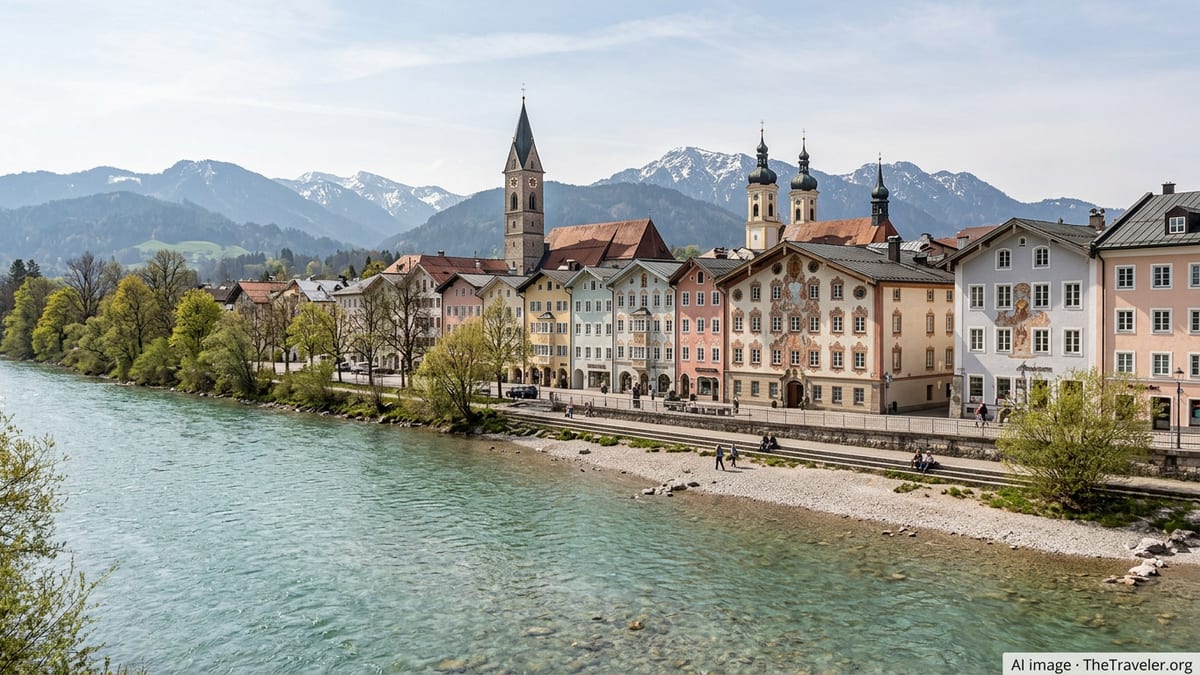
Service Expansion Across the Entire Airport Campus
Publicly available information from Munich Airport shows that the Chinese Shopping Assistant program, previously focused on Terminal 2, has been extended to cover the newly opened Terminal 1 pier as well as existing facilities. The rollout, which began in April 2026, coincides with rising traffic on routes linking Munich with major Chinese cities including Shanghai, Beijing and Hong Kong.
The airport describes the move as a response to sustained demand from Chinese passengers and retailers. With intercontinental capacity growing and new long-haul gates now in operation in Terminal 1, providing consistent support in Chinese across the campus has become a strategic priority for the hub.
The expansion builds on the shopping assistant model that was reintroduced for Chinese travelers in Terminal 2 in 2024, initially on selected days and in specific retail zones. The new phase turns what was once a niche, route-linked service into a core feature of the airport’s customer offering for one of its most important long haul markets.
From departure halls to boarding gates, the service is designed to provide seamless support at each step of the passenger journey, reducing friction for travelers who may be navigating the Schengen border, value added tax refunds and euro cashless payments all in a single connection.
Chinese Speaking Assistants for Shopping and Travel Formalities
According to Munich Airport’s own descriptions, Chinese speaking shopping assistants are now deployed in both Terminal 2 and the new Terminal 1 pier. These staff members offer in person language assistance for retail purchases, duty free transactions and questions about product ranges, with an emphasis on brands and categories that have proven especially popular with Chinese visitors.
The assistants also provide guidance on key procedural points that can otherwise be confusing for long haul passengers, such as security checks, customs regulations and VAT refund workflows. By explaining steps in Chinese and accompanying passengers through check points when needed, the service aims to cut waiting times that arise from misunderstandings or incomplete documentation.
Airport information notes that travelers can use the service spontaneously in the terminal or book it in advance within defined service hours. This dual approach allows high spending passengers, tour groups and transfer travelers on tighter schedules to secure personalized support ahead of time, while still leaving capacity available for walk up requests on the day of travel.
The Chinese Shopping Assistant team operates as part of the airport’s commercial and marketing operations, which are tasked with both supporting retail partners and improving the overall passenger experience. The program is positioned as a bridge between Chinese speaking visitors and dozens of international and local brands that line the airport’s concourses.
Luxury Brands, Lifestyle Stores and Tailored Recommendations
Munich Airport’s latest retail maps and press materials highlight a broad mix of luxury, fashion, jewelry and lifestyle outlets that are expected to benefit from the expanded Chinese Shopping Assistant coverage. Chinese travelers frequently gravitate to stores such as BOSS, Moncler and Breitling, as well as jewelers offering high end watch labels including Rolex, and these are prominently located in the airport’s main retail zones.
The new Terminal 1 pier adds further choice with an upgraded retail and dining landscape, including a dedicated boutique for premium bags featuring brands like Longchamp, Aigner, MCM and Coach. Reports indicate that the pier, which covers around 95,000 square meters over multiple levels, has been designed specifically with intercontinental flows and extended dwell times in mind.
In this environment, shopping assistants can play a role beyond translation by helping guests compare product lines between terminals, locate limited edition or airport exclusive items and navigate special promotions that may not be advertised in Chinese. For time pressed travelers making tight connections, the ability to move quickly to a preferred brand with clear guidance can be decisive.
Industry coverage suggests that airports across Europe have been refining tailored services for key nationalities, pairing language skills with data on spending behavior. Munich’s move to embed the Chinese Shopping Assistant program throughout its enlarged terminal footprint fits this broader pattern of using personalized support to lift both passenger satisfaction and commercial performance.
Supporting a Growing China Munich Flight Network
Recent scheduling updates show that Munich is reinforcing its role as a gateway between China and Europe, with additional frequencies and destinations on the China network introduced over the current and upcoming seasons. This recovery in long haul traffic from China, coupled with the opening of new gates in Terminal 1, has created fresh pressure to smooth the airport experience for first time and repeat visitors alike.
Analysts note that Chinese travelers often juggle multiple priorities during their time at a foreign hub, from exchanging remaining foreign currency and reclaiming VAT to purchasing last minute gifts and handling digital tax free processes. When these tasks are completed under time pressure and in a second language, the risk of delays and missed opportunities can increase.
The expanded assistant program can help mitigate these issues by providing a clear point of contact for questions about where to finalize tax free paperwork, how long security and border checks are currently taking, or which payment options are accepted at specific shops. Passengers can then plan their time more effectively between gate changes, lounge visits and shopping stops.
Public information from Munich Airport underscores that the new Terminal 1 infrastructure, along with the service enhancements attached to it, is intended to support several million additional passengers per year once fully ramped up. Integrating Chinese language support into that environment signals that the airport expects sustained demand from China routes rather than a short term spike.
What Chinese Travelers Can Expect On Their Next Transit
For Chinese travelers planning an upcoming trip through Munich, the expanded Chinese Shopping Assistant service means it is now easier to secure help in Mandarin across both major terminals. On arrival at the airport, passengers can follow signage to the main shopping areas or information points and request support, or arrange their assistance ahead of time according to the airport’s published booking channels.
Once connected with a shopping assistant, travelers can receive guidance on where to find specific product categories, which stores are closest to their gate and how long it is likely to take to clear formalities before boarding. The assistant can help interpret price tags, promotions and warranty information, and can support communication with store staff where needed.
Travelers looking to reclaim VAT or manage high value purchases can also use the service to clarify which documents are required and where to present them, reducing the risk of missing refund deadlines or queuing at the wrong counter. For those unfamiliar with the airport layout, having a Chinese speaking contact on hand can also reduce stress during transfers that involve switching between terminals.
As Munich Airport continues to position itself as a premium hub for intercontinental travel, the campus wide rollout of the Chinese Shopping Assistant service marks a notable upgrade in how the airport caters to one of its most dynamic long haul customer groups. For Chinese passengers, it translates into a more intuitive, language friendly and shopping focused experience on the gateway between southern Germany and some of China’s largest cities.