


More news on this day
Naval Air Station Oceana in Virginia Beach is preparing to carry out an emergency response exercise that will bring together military units and local public safety agencies to test how well they can work together during a simulated crisis.
Get the latest news straight to your inbox!
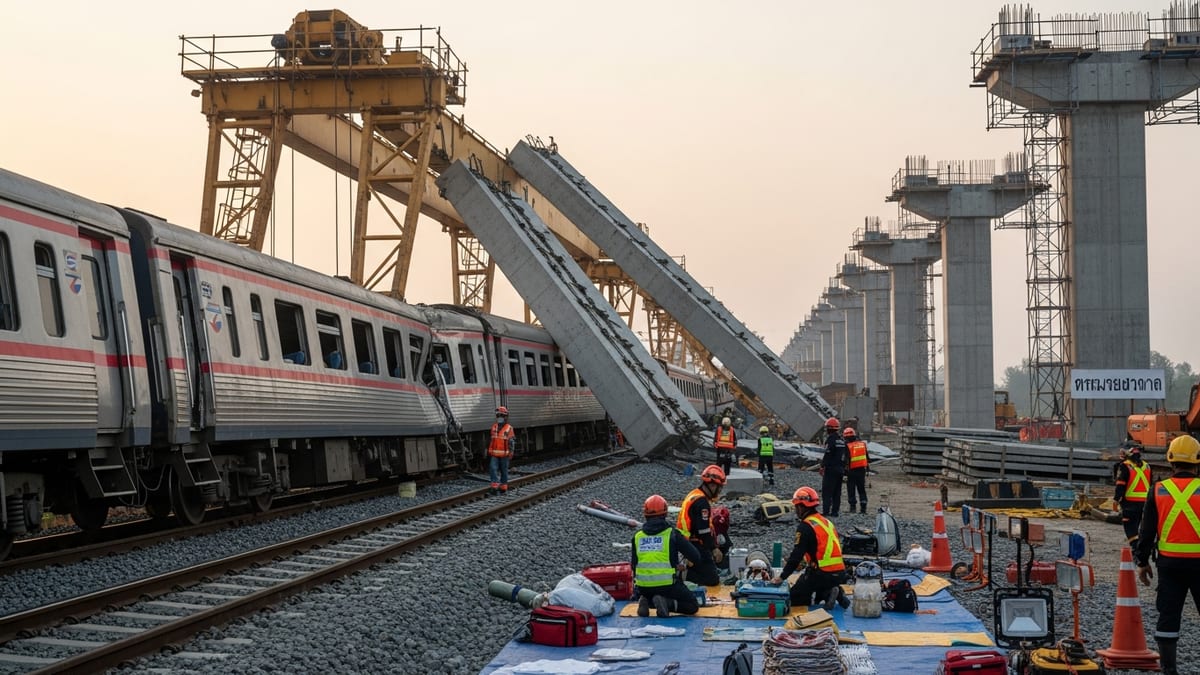
Planned drill focuses on realistic crisis scenarios
Publicly available information indicates that the upcoming exercise at Naval Air Station Oceana will simulate an incident severe enough to stress multiple layers of the installation’s emergency plans. Recent training materials and past drills at the base show that scenarios often center on aircraft mishaps, hazardous materials releases or severe weather impacts, reflecting the operational profile of a major naval aviation hub and the coastal hazards facing Virginia Beach.
Naval Air Station Oceana serves as a primary East Coast master jet base for the United States Navy, supporting F/A-18 strike fighter squadrons and a dense schedule of training and operational flights. The installation’s size, tempo and proximity to residential neighborhoods in Virginia Beach have long made coordinated emergency planning a priority for both the Navy and local officials, as seen in long-standing references to joint exercises in the city’s emergency operations planning documents.
Reports on earlier Oceana drills, including pre–air show exercises and hurricane preparedness events, describe full-scale field activities with role players, simulated casualties and live coordination among fire, medical and security teams. The forthcoming exercise is expected to follow a similar pattern, using controlled but realistic conditions to assess how quickly responding units can secure a scene, manage casualties and communicate accurate information to command centers and community partners.
The drill is also expected to validate procedures that have been updated in recent years to reflect evolving naval aviation operations, regional population growth and the broader emergency management framework used across Hampton Roads. Exercises of this type typically feed into formal after-action reviews that guide future training priorities and adjustments to standard operating procedures.
Community impact likely limited but noticeable
Although the exercise is being planned as an internal readiness event, residents and visitors in Virginia Beach are likely to notice some temporary effects. Past large-scale drills at the base have generated visible activity such as increased emergency vehicle traffic near installation gates, staged accident scenes and periodic use of sirens and public address systems, particularly in areas adjacent to the airfield and key access roads.
Local emergency management guidance for Virginia Beach notes that military installations embedded within the city, including Oceana and its Dam Neck Annex, regularly conduct training that can involve coordinated responses with municipal agencies. Residents are routinely advised that such activity is planned and controlled, even when it resembles the early stages of a real emergency, in order to avoid unnecessary alarm.
During similar exercises, temporary changes to access points, traffic control near the base and flightline operations have been reported, especially when a scenario involves a simulated aircraft incident. While no major disruptions to city services are expected, travelers moving through areas around Oceana may experience brief delays or rerouted traffic while specific segments of the drill are under way.
Emergency planners in Virginia Beach emphasize routine public messaging as a way to reduce confusion during training events. Alerts, social media notices and local news coverage are often used to remind the public that any increase in visible emergency activity near Oceana during an exercise period is part of a scheduled drill rather than an unplanned incident.
Part of broader regional preparedness efforts
The Oceana exercise is taking shape against the backdrop of a wider regional focus on emergency readiness. Virginia Beach’s current emergency operations planning documents highlight ongoing collaboration with nearby federal installations, including Naval Air Station Oceana, Joint Expeditionary Base Little Creek-Fort Story and other Department of Defense facilities, to prepare for both natural hazards and human-caused incidents.
Hampton Roads is widely regarded in emergency management literature as one of the most complex risk environments on the U.S. East Coast, combining a large military footprint with dense urban development and exposure to hurricanes, coastal flooding and severe storms. City planning materials and Navy regional updates describe a pattern of recurring joint drills, tabletops and communication tests designed to ensure that military and civilian responders can quickly align their actions during an actual emergency.
Reports on previous Oceana-related exercises have noted the involvement of Virginia Beach fire, emergency medical services, regional hospitals and volunteer rescue organizations, reflecting the interconnected nature of crisis response in the area. Simulated mass-casualty incidents, in particular, tend to draw on multiple agencies so that triage, transport and hospital surge procedures can be tested in a realistic but controlled environment.
The upcoming emergency response drill fits within this larger cycle of planning, exercising and revising that underpins both Navy and municipal readiness frameworks. By placing a high-operational-tempo air station at the center of a complex scenario, planners aim to test not only first-response tactics but also the shared decision-making structures that would guide a major incident affecting both the base and surrounding neighborhoods.
What travelers and local visitors should know
For travelers heading to or through Virginia Beach during the exercise period, the most likely impacts are short-lived and localized around the base and adjoining roads. Aviation enthusiasts and visitors who frequent public viewing areas near Oceana’s runways may see staged scenes, emergency vehicles and unusual aircraft positioning associated with the drill, and may encounter temporary access restrictions or parking adjustments.
Hotels and short-term rentals in nearby districts sometimes receive advance updates through local tourism and emergency management channels when large training events are planned. Guests may be informed that increased noise, sirens or low-flying aircraft during certain hours are linked to a scheduled exercise. Such messaging is intended to reassure visitors while still preserving the realism needed for responders participating in the drill.
Travelers using Virginia Beach as a base for broader regional trips across Hampton Roads are not expected to see significant disruption to highways, bridges or tunnels based on patterns observed during previous Oceana-focused exercises. Any traffic management steps are likely to be concentrated close to the installation and timed to specific portions of the scenario, minimizing broader transportation impacts.
For those planning visits that include plane spotting or attendance at future public events associated with the base, such as the annual air show, the exercise underscores the extent of behind-the-scenes preparation required to host large crowds and support routine flight operations safely. Regular emergency drills are one reason many aviation-focused attractions in the area can operate with relatively low incident rates despite the inherent risks of military flying.
Reinforcing safety culture at a major jet base
Naval Air Station Oceana’s latest emergency response exercise continues a long-standing emphasis on safety and preparedness at one of the Navy’s most active aviation installations. Historical accounts of the base describe decades of evolving safety standards, from aircraft maintenance practices to airfield operations and community noise management, all framed by the need to balance mission demands with risk reduction.
Emergency exercises are a key tool in that process, particularly at bases that launch and recover high-performance jets on a daily basis. By periodically recreating worst-case scenarios, planners can observe how real-world teams perform under pressure, identify gaps in communication or equipment and refine training programs accordingly. This cycle of testing and improvement is common across military aviation, but gains particular visibility at large coastal bases like Oceana that operate in close proximity to civilian neighborhoods.
Observers of previous drills at the station have noted that simulated incidents often stretch over several hours and may include follow-on phases such as environmental assessment, public information coordination and recovery planning. This comprehensive approach reflects the understanding that a major incident would require sustained management well beyond the initial emergency response.
For the traveling public and local residents alike, the upcoming exercise serves as a reminder that the visible jet activity around Virginia Beach is supported by a substantial safety and preparedness infrastructure. While the temporary sights and sounds of the drill may attract attention, the underlying goal is to ensure that, in the event of a real crisis, both base personnel and community partners are ready to respond quickly and effectively.