


More news on this day
Severe monsoon flooding and rough seas have disrupted operations at Bangladesh’s Chattogram Port, prompting business groups to seek emergency support as cargo movements slow and key supply chains come under strain.
Get the latest news straight to your inbox!
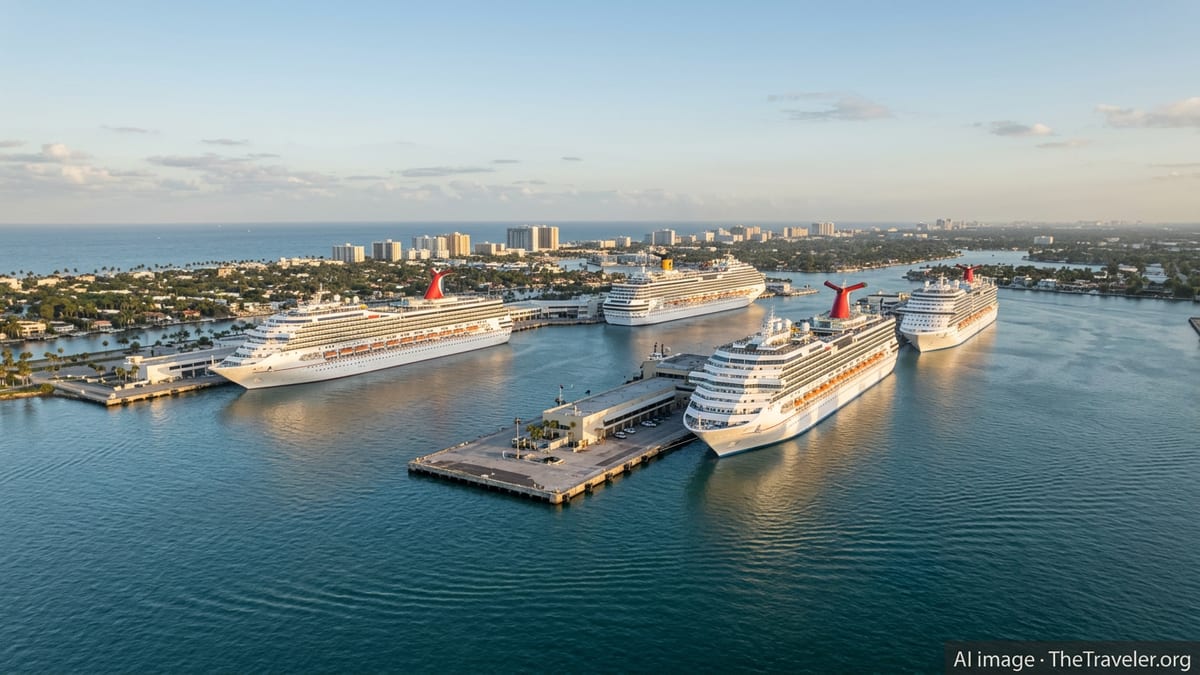
Floods, Rough Seas Stall Cargo at Bangladesh’s Main Seaport
Chattogram Port, the country’s principal maritime gateway, has been grappling with days of intense rain, floodwater and turbulent conditions in the Bay of Bengal that have sharply curtailed vessel and cargo handling. Recent coverage indicates that lighter vessels have struggled to berth at the outer anchorage, leaving dozens of mother ships waiting offshore with import and export containers still on board.
Reports in local media describe waterlogging across multiple yards and container terminals inside the port area, with standing water hampering the movement of trucks, trailers and cargo-handling equipment. At times, operations at several jetties have been slowed or suspended as authorities responded to safety concerns created by the combination of heavy rainfall, gusty winds and high tides.
The disruption comes at a period when the port is already under pressure from growing trade volumes and a logistics network that depends heavily on uninterrupted flows along the Dhaka–Chattogram corridor. Any sustained slowdown at Chattogram typically ripples quickly through the wider economy, affecting everything from industrial production to consumer goods availability.
Industry observers note that recent episodes of severe weather have highlighted the vulnerability of the port’s infrastructure and drainage systems, with low-lying cargo yards proving particularly exposed when intense monsoon downpours coincide with high tide in the Karnaphuli River.
Trade Groups Warn of Export Setbacks and Price Pressures
Business chambers and sectoral associations are increasingly voicing concern that the latest flooding could undercut export performance and drive up import costs if delays persist. Earlier periods of congestion at Chattogram have been linked in local economic analyses to missed shipping windows, higher demurrage charges and disruptions to just-in-time production schedules, especially in the ready-made garment sector.
Garment manufacturers rely on timely clearance of imported raw materials such as fabric, yarn, chemicals and accessories, along with prompt loading of finished goods destined for Europe and North America. Published commentary from trade groups suggests that any prolonged backlog at the port raises the risk of factory production slowdowns, potential order cancellations and penalties from international buyers who are sensitive to shipment deadlines.
Import-oriented businesses, particularly in consumer goods and essential commodities, are also worried about knock-on effects on domestic prices. Past episodes in which containers of foodstuffs, industrial inputs and packaged goods were held up at the port have coincided with localized shortages and upward pressure on retail prices. Some business organizations are warning that additional delays during the current monsoon spell could feed inflation at a time when households are already under cost-of-living strain.
According to recent business press coverage, several trade bodies have framed the current disruption as part of a broader pattern of climate- and weather-related shocks that increasingly threaten the reliability of Bangladesh’s main maritime node, calling for a mix of short-term relief and longer-term resilience measures.
Calls for Emergency Support and Temporary Relief Measures
In response to the latest flooding, umbrella business groups and sector associations are urging the government and relevant agencies to roll out emergency measures aimed at easing financial and logistical stress on traders and logistics operators. Publicly available statements and reports indicate that proposed steps include temporary waivers or reductions of port charges and demurrage, more flexible customs clearance arrangements and fast-tracked handling for time-sensitive export consignments.
Some organizations are also pressing for targeted financial relief for importers and exporters whose goods have been damaged by waterlogging in yards and warehouses. Recent coverage of both Chattogram and other ports in Bangladesh has highlighted disputes over liability when floodwaters inundate storage facilities, with traders arguing that inadequate drainage and infrastructure failures leave them exposed to losses that are difficult to absorb in a highly competitive trading environment.
Business groups are additionally seeking greater coordination among port officials, customs, shipping agents and inland transport providers so that cargo that can safely move is prioritized and cleared quickly. Suggestions reported in local media include extended working hours, additional labor and equipment deployment when weather conditions permit, and clearer communication on vessel arrival schedules and yard conditions.
Observers in the logistics sector indicate that emergency support is seen not only as a way to cushion immediate losses but also as a signal to international buyers and shipping lines that Bangladesh is prepared to actively manage climate-related disruptions at its main port.
Waterlogging Exposes Infrastructure Gaps Across the Port Chain
The floods at Chattogram Port are part of a wider pattern of waterlogging and drainage problems affecting key transport nodes in Bangladesh. Recent reports from other ports and logistics hubs describe warehouses and container depots inundated after intense rainfall, damaging imported goods and interrupting clearance operations. Such incidents have drawn renewed attention to the vulnerability of cargo-handling facilities to extreme weather events.
In Chattogram, authorities have already announced or initiated steps aimed at improving drainage, including dredging of canals that carry stormwater away from port-adjacent areas and from nearby critical infrastructure. These efforts reflect growing recognition that traditional drainage systems are struggling to cope with heavier, more concentrated rainfall associated with changing monsoon patterns.
Analysts note that as trade volumes expand, previously manageable bottlenecks can quickly become systemic weaknesses when combined with climate stress. Container yards and access roads that flood even for a few days can trigger a chain reaction of delays in trucking, rail movements and warehouse operations. The current disruption at Chattogram is being viewed by many in the business community as a case study in how local infrastructure challenges can have national economic implications.
International research on port resilience has similarly emphasized the importance of mapping flood-prone areas, elevating key assets and integrating nature-based solutions such as improved riverbank protection to reduce waterlogging risks in and around major ports. Business leaders in Bangladesh are increasingly invoking these global discussions as they argue for comprehensive upgrades at Chattogram.
Pressure Builds for Long-Term Climate Resilience at Ctg Port
Beyond immediate relief, trade bodies are using the latest disruption to renew calls for a long-term climate resilience strategy for Chattogram Port. Policy briefs and opinion pieces from local business publications stress that recurring floods, cyclones and heavy rainfall events are no longer outliers but part of a new normal that requires systematic planning.
Among the measures being promoted are major investments in drainage and flood protection, modernization of cargo yards to improve elevation and surface runoff, and more sophisticated early warning and contingency planning for extreme weather. Stakeholders also point to the need for better integration between the port and hinterland transport networks so that rail and road links remain operational when localised flooding occurs near the waterfront.
Several trade organizations are advocating for closer collaboration between government agencies, port management, development partners and the private sector to secure financing for resilience projects. According to published analyses referencing international case studies, every episode of climate-related disruption at a critical port tends to strengthen the argument for such investments by making the economic costs more visible.
With monsoon conditions expected to remain active in the coming weeks, businesses are watching closely to see how quickly operations at Chattogram Port normalize and whether the latest calls for emergency support and structural upgrades translate into concrete policy responses.