


More news on this day
A newly updated United States travel advisory for Turks and Caicos, a frequent stop on Caribbean cruise itineraries, is drawing attention from travelers and the cruise industry as it highlights growing safety concerns in one of the region’s most popular beach destinations.
Get the latest news straight to your inbox!
Advisory Level Raised for Turks and Caicos
Publicly available information from the U.S. Department of State shows that Turks and Caicos is now listed at “Level 2: Exercise Increased Caution,” reflecting heightened concern about crime on the islands. The update, published in mid July 2026, emphasizes risks that had previously been considered lower, particularly in areas frequented by visitors.
Reports indicate that the advisory points to incidents of armed robberies, burglaries, and other violent crimes affecting both residents and visitors. While the islands continue to market themselves as a luxury escape with white sand beaches and upscale resorts, the new language encourages travelers to remain alert to their surroundings, especially at night and in less crowded areas.
For many prospective visitors, the shift from a lower advisory level to Level 2 does not forbid travel but signals a need for more careful planning. Travel coverage notes that the change places Turks and Caicos in the same general risk category as several other major Caribbean tourism centers, including popular cruise ports where travelers are urged to take similar precautions.
The advisory also reiterates that crime can occur outside typical nightlife districts and that incidents may take place near tourist accommodations. Travelers are encouraged, according to public guidance, to maintain a low profile, secure valuables, and avoid displaying signs of wealth such as expensive jewelry or electronics.
Impact on Cruise Itineraries and Shore Calls
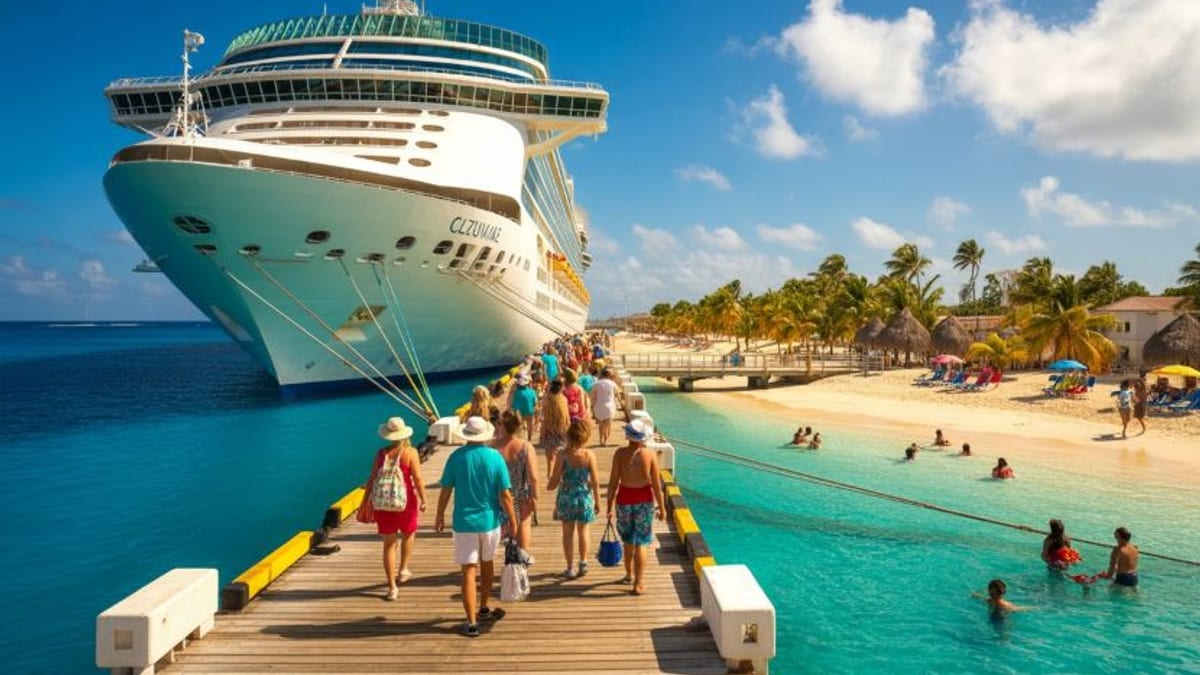
Turks and Caicos, and Grand Turk in particular, has long been a staple port of call for large mainstream cruise lines operating out of Florida and other East Coast homeports. Published cruise schedules list Grand Turk among the marquee stops on short and weeklong Caribbean sailings, making the advisory especially relevant for passengers who may only spend a few hours ashore.
Cruise industry commentary suggests that ships are expected to continue calling at Grand Turk in the near term, with no broad cancellations reported in public schedules following the advisory update. However, the new guidance could influence passenger behavior on shore days, with more guests opting for organized excursions or remaining within the immediate cruise center complex rather than exploring independently.
Travel analysts note that cruise passengers often assume port stops are inherently managed environments, but the advisory underscores that standard urban safety practices still apply. Visitors stepping off a ship for shopping, beach time, or water excursions are urged by public guidance to stay in groups when possible and to remain aware of their surroundings beyond the main cruise terminal area.
Some travel coverage points out that, in recent years, shifts in security perceptions have led cruise lines to modify itineraries in other parts of the Caribbean when conditions deteriorated significantly. While no such large scale changes are being reported for Turks and Caicos at this time, the updated advisory is likely to be closely monitored by cruise planners and travel advisors.
How the Advisory Fits Into Wider Caribbean Travel Trends
Industry data compiled by cruise trade groups continues to show the Caribbean, Bahamas, and Bermuda as the world’s leading cruise region by passenger volume, with millions of travelers sailing there each year. Recent presentations from cruise associations highlight continued growth in Caribbean itineraries compared with 2024 and 2025, underlining the region’s central role in global cruise deployment.
Within that broader picture, Turks and Caicos has been marketed as a premium stop, especially on itineraries that pair Grand Turk with other high profile ports and private island destinations. The new advisory arrives at a time when the Caribbean cruise market is expanding, with new ships entering service and more itineraries being added from ports such as Miami, Fort Lauderdale, and New York.
Travel commentary suggests that the advisory does not fundamentally alter the Caribbean’s status as a dominant cruise region but adds a layer of nuance for travelers deciding between similar itineraries. For example, some coverage compares the current advisory levels across islands, noting that Turks and Caicos is no longer grouped with the very lowest risk categories but still remains below destinations where governments advise reconsidering travel altogether.
Observers also note a pattern in which advisories for several Caribbean locations have tightened in recent years as tourism rebounds and visitor numbers rise. This broader context may shape how travelers interpret the Turks and Caicos update, viewing it as part of a region wide recalibration rather than an isolated warning.
Practical Guidance for Cruise Passengers and Vacationers
Publicly available guidance encourages travelers heading to Turks and Caicos to review travel insurance options, check their cruise line or tour operator’s safety information, and register their trip with government traveler enrollment programs when available. These steps, while voluntary, are framed as straightforward measures that can help visitors stay informed if local conditions change.
Reports indicate that the advisory recommends standard security practices such as avoiding isolated beaches after dark, keeping copies of important documents separate from originals, and using hotel or cabin safes where possible. Travelers are also urged to be cautious when accepting rides or services from unlicensed vendors and to rely instead on reputable transportation arranged through hotels, cruise lines, or established tour companies.
For cruise passengers, travel experts highlight the importance of reading pre cruise documentation about port calls and any updates delivered through cruise line apps or onboard announcements. If individual excursions are canceled or adjusted due to changing risk assessments, passengers are typically offered alternatives, and staying flexible can help preserve the overall vacation experience.
Travelers planning independent stays on the islands, outside a cruise context, may wish to research neighborhoods carefully, consult recent traveler reviews, and consider accommodations with visible security measures. Public safety information emphasizes that many visits proceed without incident, but that thoughtful preparation can reduce exposure to potential problems.
What Travelers Should Watch in the Coming Months
Coverage of the new advisory notes that travel guidance is frequently reviewed and may be updated as conditions evolve. Travelers with trips scheduled several months from now are encouraged in public information to recheck official advisories closer to departure to see whether risk assessments have changed.
Analysts following the cruise and Caribbean tourism sectors suggest that future adjustments to ship deployments or shore excursion offerings could occur if crime trends shift significantly in either direction. Cruise lines, which routinely monitor security conditions in all ports of call, have historically rerouted ships from destinations where risks were judged to have increased markedly.
For now, Turks and Caicos remains firmly embedded in Caribbean cruise planning and continues to promote itself as a high end island getaway. The updated advisory serves as a reminder to travelers that even postcard perfect destinations present real world risks and that informed, cautious decision making is an essential part of modern travel.
As the peak summer and winter cruise seasons approach, both first time and repeat visitors are expected to weigh the advisory alongside factors such as price, itinerary design, and personal comfort with international travel. Industry observers anticipate that the islands will remain a prominent Caribbean option, with safety considerations now playing a more explicit role in how travelers plan their time ashore.