


More news on this day
Nassau’s cruise surge has reached another landmark, with the Bahamian capital reporting a new single-day passenger record that highlights the port’s rapid ascent among the world’s busiest cruise gateways.
Get the latest news straight to your inbox!
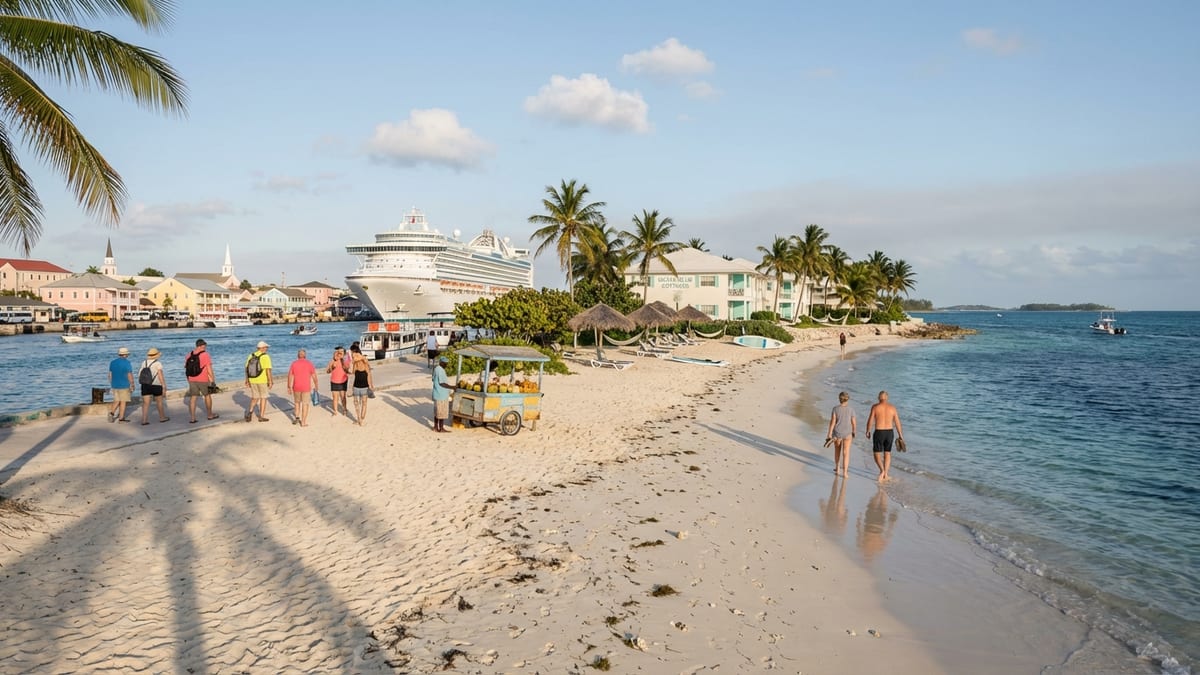
A New Milestone For The Caribbean’s Transit Giant
According to publicly available port data and recent coverage of operations at Nassau Cruise Port, the latest single-day record was set on a peak call day when multiple large ships called simultaneously, pushing passenger movements past the previous high watermark. Reports indicate that well over 30,000 cruise visitors moved through the terminal area over the course of that day, reflecting the scale that Nassau now regularly handles in the heart of the winter and spring high season.
The new benchmark follows successive years of growth. Nassau Cruise Port has reported more than 5.6 million passengers in 2024 and an estimated 6.1 million in 2025, as published summaries of traffic statistics show. With more than 1,500 cruise calls per year and a steady stream of large vessels from major brands, the port has consolidated its status as one of the world’s busiest transit cruise hubs.
Recent industry analysis compares Nassau’s performance with leading Florida homeports, where ports such as Miami and Port Everglades have publicized their own single-day records in the 70,000 passenger range across both homeport and transit operations. Nassau’s figures are focused almost entirely on transit visitors rather than turnarounds, yet the port is now appearing in the same conversations about volume and throughput, underscoring its strategic role on short Bahamas and wider Caribbean itineraries.
The latest record day also illustrates how the rebuilt waterfront terminal, expanded berthing capacity and improved staging areas are reshaping traffic flows. Observers note that port call schedules now routinely feature six or more ships in port at once, including the newest mega-vessels, creating the conditions for record-breaking days when occupancy levels are high across the fleet.
Infrastructure Investment Pays Off At Revamped Waterfront
The new single-day high is closely linked to the multiyear redevelopment of Nassau Cruise Port, which has transformed Prince George Wharf into a modern, multi-berth hub. Publicly available information from the port operator details an expanded pier configuration that allows several of the world’s largest cruise ships to berth simultaneously, alongside upgraded terminal buildings, security areas and guest facilities.
The redesigned arrival plaza, landscaping and cultural spaces have been positioned as key elements in the drive to manage larger crowds while improving the visitor experience. Market-style retail, food and beverage outlets and performance areas inside the secure port zone are intended to keep passengers engaged close to the ships, easing the pressure on downtown streets during peak hours.
Recent trade coverage notes that Nassau’s infrastructure program was planned around handling around 33,000 passengers in a single day, a threshold the port has now surpassed in practice. The latest record suggests that design assumptions are being tested and validated in real time, as crowd-control systems, staging zones for shore excursions and transport dispatch areas are put through their paces.
Despite the higher volumes, early feedback from cruise-focused publications indicates that embarkation and disembarkation flows on record days have remained relatively orderly. The combination of expanded gangway capacity, clearly marked pedestrian routes and a larger central plaza appears to be helping the port absorb surges in passenger numbers during the busiest windows of the day.
Strong First-Quarter Momentum And New Attractions
The latest record comes against a backdrop of strong first-quarter growth. According to published updates from Nassau Cruise Port and regional travel media, passenger volumes in the first three months of 2026 rose by nearly 15 percent compared with the same period a year earlier, with ship calls also increasing by more than 5 percent. That momentum has set the stage for more peak days and made new single-day highs increasingly likely.
One of the port’s headline additions is Bahama Bay, a pool and day club being introduced on the waterfront adjacent to the cruise terminal. Industry reports describe the venue as a purpose-built leisure zone, with pools, cabanas, dining and entertainment, designed to capture a slice of the beach-day demand that might otherwise flow to resorts farther from the harbor.
Travel coverage suggests that Bahama Bay is part of a broader strategy to lengthen the time visitors spend ashore in Nassau by offering a resort-style experience within walking distance of the gangways. For cruise lines, this type of facility can make Nassau more attractive on short itineraries, particularly for passengers looking for an easy, low-logistics day off the ship.
In addition to Bahama Bay, the port has been promoting cultural programming and seasonal events around Junkanoo, live music and Bahamian food experiences. These offerings, combined with the high frequency of calls from major brands, contribute to a busy events calendar that further lifts overall footfall and spending around the harbor.
Economic Ripple Effects Across Nassau And The Bahamas
The new single-day passenger record carries significant implications for the local and national economy. Data released through official tourism channels attribute several billion dollars in annual visitor spending to cruise arrivals in Nassau, with incremental gains expected as daily traffic peaks rise.
On a record day, tens of thousands of passengers disperse into a relatively compact urban core and surrounding beaches, supporting a wide range of businesses. Taxi operators, tour companies, straw market vendors, restaurants, bars and attraction operators all report some of their busiest trading periods when multiple large ships are in port at once.
Economists following the Bahamas tourism sector note that cruise growth can have a multiplier effect, stimulating investment in retail space, hospitality ventures and infrastructure upgrades beyond the port perimeter. At the same time, higher visitor volumes concentrate attention on questions of sustainability, crowd management and the balance between day-tripper traffic and overnight tourism.
Some local business and community commentary highlights the importance of spreading the benefits of record days more widely across neighborhoods, encouraging excursions that extend beyond the immediate harborfront. Enhanced transport links, curated tours and partnerships with cultural sites are being advanced as ways to distribute both visitors and spending more evenly.
Capacity, Crowds And The Next Phase Of Growth
As Nassau celebrates its latest single-day record, attention is turning to how far the current infrastructure and surrounding city can stretch. Planning documents and industry analysis indicate that the port’s expanded layout was designed with additional growth in mind, but questions remain about how frequently record-level days should occur and what that means for residents and visitors.
Cruise commentators point out that ports which set new highs often face a lag before supporting services fully adapt. In Nassau’s case, transport capacity, wayfinding, public amenities and safety measures are all under scrutiny as the city experiences more days where six or more large ships are berthed together.
Parallel debates are emerging about the competitive landscape in the wider region. With Florida homeports publicizing their own record-breaking days, Nassau’s transit-focused achievement strengthens its position as a core stop on short Bahamas and Western Caribbean routes. For cruise lines, a robust, high-capacity port a short sailing distance from major embarkation hubs remains a strategic asset.
Industry observers expect Nassau Cruise Port to continue testing its limits as the 2026 and 2027 seasons unfold, particularly with additional large ships and new itineraries entering service. The latest single-day record signals that the port is not only keeping pace with demand, but actively redefining what peak traffic looks like for a Caribbean transit hub.