


More news on this day
NAV CANADA is reporting a marked year over year reduction in flight delays during the peak weeks of the FIFA World Cup 26, pointing to targeted summer measures and advance planning as key factors in keeping traffic moving through Canada’s busiest airspace.
Get the latest news straight to your inbox!
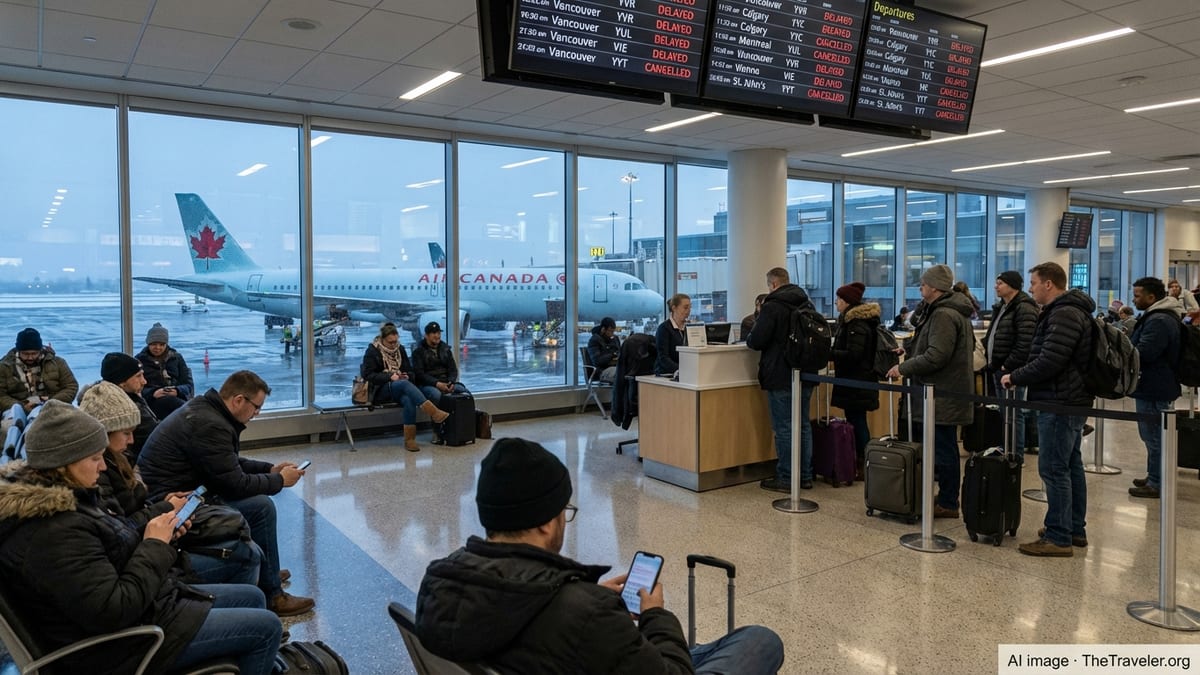
World Cup Traffic Surges While Delays Recede
According to recently released operational data, NAV CANADA saw a sharp improvement in service delivery performance through late June and July 2026, coinciding with the 13 World Cup matches hosted in Toronto and Vancouver. The organization indicates that, despite intense demand and complex airspace restrictions linked to tournament activities, delay metrics improved significantly compared with the same period in 2025.
Publicly available information shows that air traffic volumes across Canadian airports have been trending higher this year, with aircraft movement statistics from federal data pointing to sustained growth through the spring and early summer. That backdrop raised concerns that the tournament could strain an already busy system. Instead, NAV CANADA’s latest figures suggest that many flights operated closer to schedule than in previous peak seasons.
Industry coverage notes that the World Cup generated a surge in inbound visitors for match days in Toronto and Vancouver, on top of strong domestic demand and regular transborder services. Even with that added pressure, the share of flights subject to air traffic flow management programs imposed by NAV CANADA fell sharply year over year, indicating fewer delays directly tied to air navigation constraints.
Targeted Measures at Toronto and Vancouver Gateways
NAV CANADA’s summer 2026 operational plan included specific measures for Toronto Pearson International Airport and Vancouver International Airport, the two Canadian gateways selected to host World Cup matches. These initiatives focused on balancing demand with available airspace and runway capacity, while coordinating closely with airport operators and airlines.
In Vancouver, reports indicate that the portion of flights affected by NAV CANADA traffic management programs dropped from nearly 5 percent in 2025 to well under 1 percent during this year’s World Cup window. The reduction suggests that new procedures, including refined airspace configurations and tighter slot management for peak periods, helped keep operations flowing even as match traffic peaked around game days.
At Toronto Pearson, advance planning centered on managing heavy long haul and transborder traffic alongside spikes in charter and additional scheduled services tied to World Cup fixtures. NAV CANADA’s data points to fewer flow control delays than during comparable high season periods last year, despite the additional complexity of security restrictions and temporary airspace changes in the region.
Both airports also saw the application of Prior Permission Required protocols for certain business and general aviation operations, a tool designed to prevent unplanned surges of smaller aircraft from overwhelming tower and terminal capacity at critical times.
Operational Readiness Plan Credited for Improvements
Two months before the peak summer travel period, NAV CANADA published a detailed operational readiness backgrounder outlining how it intended to manage 2026 traffic, including special events such as the World Cup. The plan highlighted staffing strategies, contingency procedures and airspace changes aimed at preserving system resilience through the busiest weeks of the year.
Available documentation shows an emphasis on additional controller staffing in key facilities, targeted use of airspace restrictions, and pre approved traffic management initiatives designed to be activated quickly if demand approached capacity limits. By clearly sequencing these measures ahead of time, the organization sought to avoid ad hoc restrictions that in previous years contributed to lengthy, unpredictable delays.
The latest performance update indicates that this approach helped reduce the need for broad ground stops and en route flow controls during the tournament. Where measures were implemented, they were generally lifted on schedule once match related peaks subsided, minimizing knock on effects for connecting passengers and downstream flights.
Analysts note that the results come after several challenging summers for Canadian aviation, when weather disruptions, staffing constraints and post pandemic recovery pressures produced frequent congestion and passenger frustration at major hubs.
Context: From Pandemic Turbulence to Event Resilience
The improvement in NAV CANADA’s delay metrics during the World Cup is being viewed in the broader context of the system’s evolution since the pandemic. Earlier seasons were marked by staffing shortages and infrastructure bottlenecks that amplified the impact of storms, technical issues and surges in demand. Government statistical releases have documented a gradual easing of cancellations and delays over the past two years as airports, airlines and navigation providers adapted.
Industry observers point out that the World Cup represented a significant test of that progress. Major sporting events concentrate travel demand into specific cities and time windows, and require layered security and airspace restrictions that can challenge even well prepared systems. The relatively smooth handling of Canadian match traffic is being cited as evidence that lessons from recent disruptions have been applied in a concrete way.
The experience also aligns with broader international preparations surrounding the tournament. In the United States, aviation authorities issued detailed advisories and special procedures for host city airports to reduce the risk of cascading delays, underscoring the regional scale of planning required for a multi country event.
For travelers, the outcome meant that many flights to and from Canadian host cities operated with fewer navigation related delays than might have been expected during such a large global tournament, even as some schedules were still affected by weather, airline operations and other factors beyond NAV CANADA’s control.
Implications for the Remainder of the Summer Season
NAV CANADA has indicated that its full suite of summer 2026 measures will remain in place for the rest of the high season, suggesting that the practices validated during the World Cup will continue to shape operations through late August and early September. With leisure and visiting friends and relatives travel still strong, maintaining that level of performance will be critical for both passenger experience and airline reliability.
Travel industry commentary suggests that the data from the World Cup period may bolster confidence among carriers planning future event related capacity into Canadian airports, particularly as cities compete for major international conferences, concerts and tournaments. Reliable air navigation performance is increasingly seen as a competitive advantage for destinations seeking to host high profile gatherings.
Aviation analysts will be watching upcoming traffic and movement statistics to see whether the delay reductions observed around the World Cup are sustained across the remainder of the summer peak. If the trend continues, it could mark a turning point for Canadian air traffic management after several years defined by volatility and disruption.
For now, the World Cup weeks stand out as a case study in how advance planning, targeted traffic measures and closer coordination across the aviation system can translate into fewer delays at a time when millions of fans and regular travelers were converging on the skies.