


More news on this day
Newly updated guidance from multiple government travel advisories is urging travelers to reassess plans to the United Arab Emirates, Saudi Arabia and Israel, as regional tensions and security risks continue to disrupt air routes and raise concerns about the safety of nonessential trips.
Get the latest news straight to your inbox!
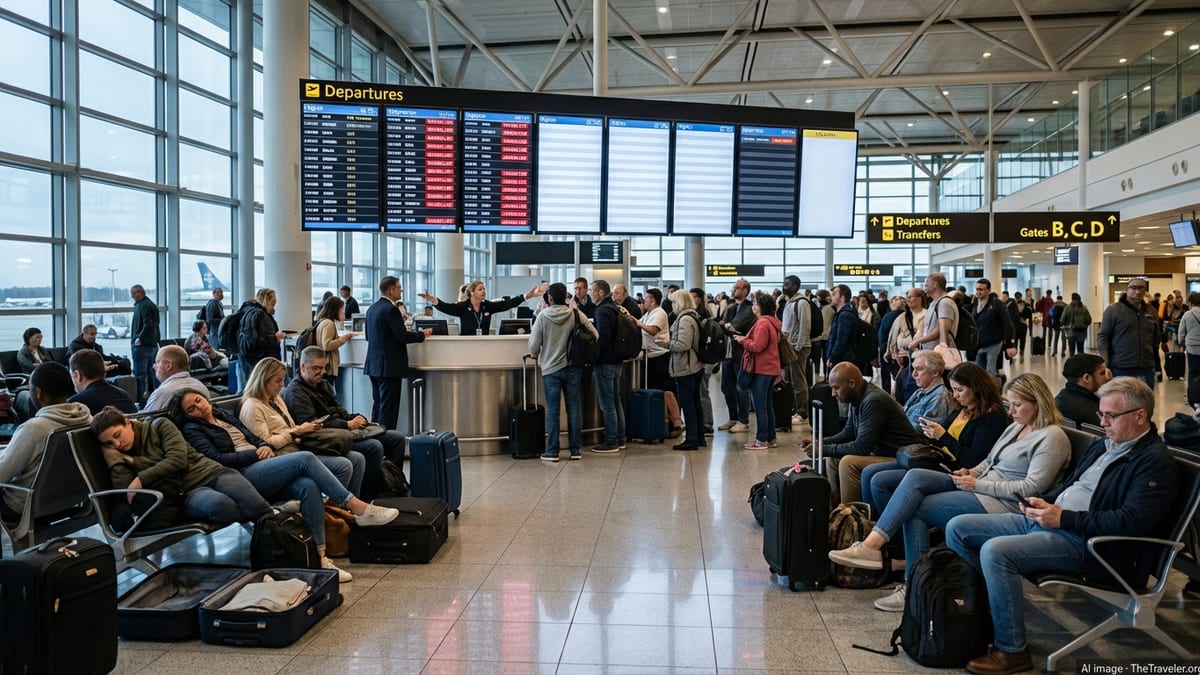
Heightened alerts across a volatile Middle East corridor
Updated travel advice released in recent weeks points to a tightening security environment stretching across parts of the Middle East. Publicly available information from foreign ministries and consular services indicates that the United Arab Emirates, Saudi Arabia and Israel are now subject to reinforced warnings that emphasize the risk of armed conflict, terrorism and sudden disruptions to transport links.
The changes come as reports describe a series of attacks and cross-border strikes involving Iran and regional actors, along with a broader military buildup. Coverage in international outlets notes that recent incidents have damaged infrastructure in Kuwait and triggered air defense responses in Jordan and Bahrain, underscoring how rapidly tensions can spill over into civilian life and aviation networks.
Against this backdrop, travel advisories that were already elevated for parts of the region have been refined and, in some cases, strengthened. While the exact wording varies by country of origin, many Western governments now group these three destinations within a band of higher-risk locations where travelers are urged to reconsider nonessential journeys and maintain contingency plans if they proceed.
Travel industry analysts say the stepped-up alerts are likely to influence booking patterns over the remainder of the northern summer, especially for leisure visitors weighing Gulf stopovers or Eastern Mediterranean itineraries that include Israel.
United Arab Emirates: conflict risks and airspace uncertainties
The United Arab Emirates, typically positioned as a secure hub for long-haul connections, is currently subject to advisories that highlight the risk of regional conflict and terrorism. Public guidance from government travel sites points to a combination of factors, including the potential for missile or drone activity, possible spillover from nearby hostilities and the strategic importance of Emirati ports and airports to global transport.
One of the most concrete consequences for travelers has been increased scrutiny of airspace over and around the Gulf. According to recent updates referenced in aviation-focused coverage, the European Union Aviation Safety Agency has advised airlines to avoid parts of Gulf airspace for a defined period in July, a move that can prompt reroutings, longer flight times and schedule changes for carriers crossing the region.
Advisories for the UAE also underline the prospect of security incidents at locations associated with Western interests or regional political tensions. While everyday life in major hubs such as Dubai and Abu Dhabi continues largely as normal, travelers are now being more firmly encouraged to monitor local developments, register with consular services where available and prepare for potential disruptions to flights or airport access on short notice.
For transit passengers, the guidance does not generally prohibit connecting through Emirati airports, but it does suggest that itineraries should remain flexible, particularly for those with tight onward connections or fixed cruise departures linked to Gulf ports.
Saudi Arabia: regional tensions and internal security sensitivities
Saudi Arabia’s advisory profile has also sharpened in mid-2026. Publicly accessible notices from consular services continue to warn against any travel near the border with Yemen, citing a long-standing threat from cross-border attacks, while more recent updates describe a broader set of security concerns affecting major cities and energy infrastructure.
Information compiled by travel advisory services references recent decisions by some governments to scale back or temporarily relocate nonessential staff from missions in the kingdom. These moves typically follow internal security assessments that weigh the possibility of missile or drone attacks, as well as the risk of opportunistic incidents targeting public venues or religious sites that attract large numbers of visitors.
Although large-scale tourism to Saudi Arabia remains limited by visa requirements and cultural considerations, the country has been promoting new leisure destinations and hosting major events. In the short term, analysts suggest that the latest warnings may cool demand for new arrivals, especially from risk-averse markets, even as religious travel tied to pilgrimage seasons continues under strict crowd management and security protocols.
Travelers who decide to proceed to Saudi Arabia are being advised, in publicly available guidance, to avoid restricted zones, pay close attention to curfews or movement controls that could be introduced at short notice and ensure that travel insurance policies explicitly cover destinations with elevated security ratings.
Israel: persistent terrorism concerns and travel disruption
Israel remains under a higher-tier travel advisory that predates the most recent surge in tensions but has taken on renewed significance in the current climate. Officially published material from foreign ministries classifies the country, along with the West Bank and Gaza, within categories that call for travelers to reconsider trips due to terrorism and civil unrest.
The advisory language highlights the possibility of attacks on tourist locations, transportation hubs, markets and places of worship. It additionally notes that security conditions can change rapidly, particularly in border areas, flashpoint neighborhoods and sites that attract demonstrations or large gatherings.
Separate from security incidents within Israel, the evolving conflict dynamics have also affected connectivity across the wider region. Recent reporting describes interruptions to flights serving nearby states and heightened security measures at certain airports, which can have knock-on effects for travelers reaching Israel via regional hubs. Visitors are therefore being urged by travel risk consultancies to build flexibility into itineraries and allow extra time for security screening and potential rebookings.
For travelers with essential reasons to visit, publicly available guidance consistently recommends staying informed through local news, following instructions from transport operators and being prepared to adjust plans quickly if there are shifts in entry rules, curfew measures or international carrier schedules.
What travelers should do now
With three prominent destinations in the Middle East facing tightened travel warnings, trip planners are being encouraged to revisit their risk calculations. Travel medicine specialists and security analysts quoted in recent coverage emphasize the importance of distinguishing between nonessential and essential travel, and of weighing personal risk tolerance alongside official advisories.
Practical steps widely recommended in public information resources include registering trip details with one’s embassy or consulate, maintaining several days’ worth of essential medications and supplies in case of transport delays, and ensuring that travel insurance explicitly covers cancellations or evacuations linked to conflict or terrorism.
Industry observers note that tour operators and airlines serving the region are adopting a cautious stance, with some carriers adjusting routings or frequencies while keeping core services in place. Travelers holding tickets are advised, in airline customer notices, to check their booking status frequently and to consider flexible or refundable fares for any new reservations touching the affected countries.
For now, the updated alerts do not amount to blanket bans on visiting the United Arab Emirates, Saudi Arabia or Israel. However, the convergence of higher advisory levels, regional military activity and airspace advisories is reshaping the calculus for leisure and business trips. Travelers contemplating itineraries through this corridor in the coming weeks are being urged to stay closely attuned to developments and to be ready to pivot if the security situation deteriorates further.