


More news on this day
Heightened U.S. travel warnings on the United Arab Emirates, combined with wider global security alerts, are reshaping how American travelers view winter stopovers through Dubai, one of the world’s busiest transit hubs.
Get the latest news straight to your inbox!
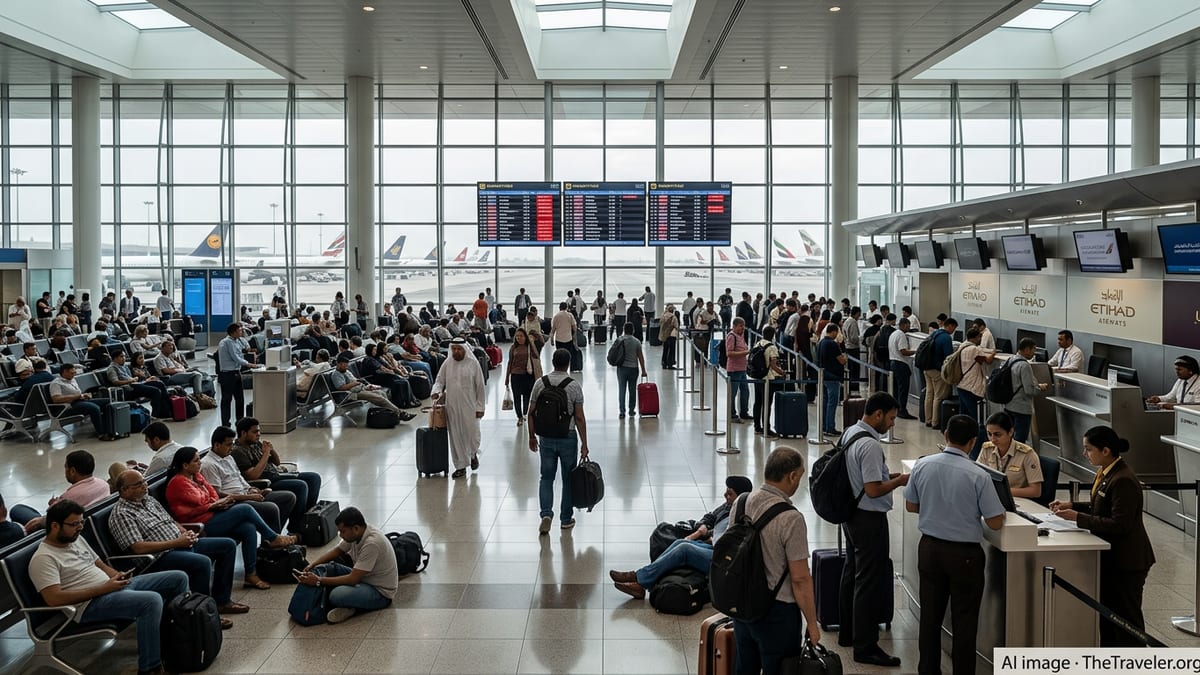
Level 3 Advisory Puts Spotlight on Dubai Transit
The United States raised its travel advisory for the United Arab Emirates to Level 3, “Reconsider travel,” on October 23, 2026, citing the risk of missile and drone attacks linked to regional tensions and the potential targeting of locations associated with U.S. and allied interests. Publicly available guidance notes that tourist areas, transportation hubs and sites linked to Jewish and Israeli communities are considered vulnerable, even if daily life in cities such as Dubai continues largely as normal.
The updated advisory does not single out Dubai International Airport by name but places the entire country in a higher-risk category for U.S. citizens. At the same time, the U.S. Worldwide Caution notice, refreshed in July 2026, urges Americans abroad to stay alert to the possibility of attacks on locations associated with the United States, including businesses and other institutions, adding another layer of concern for those routing long-haul trips through Gulf hubs.
Transit passengers remain subject to relatively simple entry rules. U.S. government information indicates that travelers who remain airside in Dubai during a layover do not require a UAE visa, while those exiting the airport must meet regular entry requirements. The legal and security context, however, has changed since the start of the year, and the Level 3 designation is prompting many to revisit whether a quick Dubai stop still feels as straightforward as it did in previous winter seasons.
Other governments are also tightening their stance. Updated advice from Canada in mid-October urges travelers to exercise a high degree of caution in the UAE due to the volatile regional security environment, and warns specifically about the ongoing risk of drone strikes that have periodically targeted or approached UAE territory. The United Kingdom, Ireland, Germany and Australia have issued similarly cautious language, underlining that the U.S. change is part of a broader shift rather than an isolated move.
Regional Conflict Drives Airspace Jitters
The sharper U.S. advisory follows a series of missile and drone barrages in March and April 2026, when Iranian forces and aligned groups launched more than 2,000 projectiles towards targets across the Gulf, including the UAE. U.S. government summaries of the episode highlight that some of these devices were intercepted over or near Emirati territory, reinforcing the perception that the country sits within reach of regional conflict dynamics even during periods of relative calm.
Industry assessments compiled in the first half of 2026 describe how airspace closures and reroutings across Bahrain, Iran, Iraq, Saudi Arabia, Qatar and the UAE forced carriers to suspend or thin out services. Analyses circulated to corporate travel managers in May documented how some European and Gulf airlines curtailed flights to Dubai or adjusted routings to avoid higher-risk flight information regions, underscoring the operational fragility behind what can still appear to be a seamless hub experience for passengers.
Official notices from the UAE’s General Civil Aviation Authority in early March described “exceptional flight operations” to help clear backlogs of stranded passengers after temporary airspace restrictions. While Dubai and Abu Dhabi airports continued to function, the episode brought unusual scenes of sparse departure boards, rolling delays and busy rebooking desks, particularly affecting travelers using Dubai as a midway stop between Europe, Asia and the Americas.
Security-focused reports produced later in 2026 characterize the UAE as operating under a sustained crisis-management posture since late February, as regional attacks extended into Gulf maritime corridors and energy infrastructure. Although most incoming flights to Dubai have resumed and foreign tourism has partially recovered, these assessments note that airspace and airport operations remain vulnerable to renewed missile or drone activity, a factor that U.S. travelers are now being urged to weigh against the convenience of a Dubai layover.
Dubai Promotes Business-as-Usual Message
In contrast to the sharper tone of U.S. and allied advisories, Dubai’s tourism authorities continue to emphasize stability, open borders and the city’s role as a connecting hub. Government-backed travel updates for visitors, refreshed on October 30, 2026, stress that the safety and wellbeing of residents and visitors is a top priority and that Dubai remains open to international tourism and transit. Public information campaigns encourage travelers to rely on official UAE, airline and airport channels for real-time updates rather than social media speculation.
Visit-focused advisories distributed by Dubai’s Department of Economy and Tourism highlight that scheduled passenger operations at Dubai International and Al Maktoum International airports are ongoing. Airlines are described as coordinating closely with national aviation regulators on routing and scheduling, with adjustments made when regional airspace restrictions or security considerations require detours.
Emirates, which relies on Dubai as its primary hub, has detailed periods of reduced schedules in 2026 due to what it describes in public advisories as the “regional situation,” while stressing its focus on passenger and crew safety. Corporate travel bulletins and airline updates reviewed in recent months show that the carrier has at times trimmed frequencies or shifted flight timings rather than maintaining a full pre-crisis schedule, particularly on routes that cross or approach affected parts of the Middle East.
Recent Dubai tourism messaging also draws attention to optional travel insurance and disruption coverage. Information for visitors notes that Emirates customers in certain markets can add enhanced travel cover at the time of booking or to an existing ticket, though fine print from international advisory firms cautions that many insurance policies exclude disruptions linked to declared conflicts or war. Prospective stopover visitors are being encouraged by consumer advocates to read policy documents carefully rather than assuming that any delay or cancellation will qualify for compensation.
Implications for U.S. Winter Stopovers
For Americans accustomed to using Dubai as a convenient midway point between North America, Africa, Asia and the Indian Ocean, the timing of the Level 3 advisory is significant. Many winter itineraries, particularly those booked for late December 2026 and early 2027, were arranged months before the October change and before the full scale of this year’s Gulf security incidents was clear. Travel agents and online forums now reflect a growing wave of questions from U.S. citizens weighing whether to stick with Dubai routings or seek alternatives through Europe or other Gulf hubs.
Publicly available industry digests tracking the hospitality and aviation fallout from the Middle East crisis note that by mid-2026, a combination of elevated government advisories and flight suspensions had already thinned demand for leisure trips into the UAE. Analysts cited in these materials predicted that point-to-point tourism would feel the impact more sharply than same-plane transits, since many travelers are willing to accept a perceived security premium for a short terminal stay compared with a multi-day city break.
Some national foreign ministries now advise against all but essential travel to the UAE, a step that does not legally bind U.S. citizens but may influence corporate risk managers overseeing employee trips. For leisure travelers, the effect is most visible in booking behavior. Online search and forum discussions in October and early November show Americans asking whether to keep overnight Dubai stopovers that include hotel stays and city tours, or to shorten layovers to remain airside until their onward connection.
Travel advisory experts point out that airlines retain latitude to operate as long as regulators permit and risk thresholds are met, and that Dubai’s air defenses and airport security protocols remain robust by global standards. At the same time, the combination of a U.S. Level 3 warning, a standing Worldwide Caution, and a record of recent missile and drone activity in the region is likely to keep Dubai layovers under closer scrutiny from U.S. travelers than in pre-crisis winters.
What Travelers Can and Cannot Count On
One of the clearest messages in current guidance is that conditions can change quickly. Official travel advice from multiple governments stresses that airspace closures, diversions and temporary suspensions of flights in and out of the UAE may occur at short notice, sometimes within hours of new incidents in the region. Security assessments published by European and Australian authorities underline that this volatility can affect even passengers who never leave the terminal, particularly if re-routings create congestion or if a surge of cancellations leaves travelers seeking scarce hotel rooms or rebooked seats.
Risk summaries from Canada, Ireland and other countries highlight specific locations that travelers are urged to avoid, including military facilities, air bases such as Al Minhad near Dubai, critical energy infrastructure and sites linked to Western diplomatic or defense interests. While most of these places are far from typical tourist circuits or transit routes, their mention in multiple advisories signals how planners view the way regional tensions could spill over into the UAE.
At the same time, several government travel pages for the UAE acknowledge that, outside of conflict-related scenarios, the country maintains extensive security infrastructure and relatively low rates of everyday crime affecting foreigners. For some Americans, this contrast is shaping a more nuanced winter travel calculus. Online discussions suggest that a segment of travelers remains comfortable with brief daytime transit stops while avoiding longer stays, crowded events or high-profile venues during this period of heightened alert.
Advisory texts from the United States and its partners consistently recommend that anyone proceeding with UAE travel enroll in relevant consular information services, monitor trusted news and official channels for rapid updates, and verify both airline schedules and insurance coverage close to departure. For many winter travelers eyeing Dubai stopovers, the new U.S. warnings have transformed what was once a routine connecting point into a decision that demands closer attention to evolving regional risks.