


More news on this day
British travelers heading to Dubai are being urged to reassess imminent trips after the UK government strengthened its language on regional tensions affecting the United Arab Emirates, with the latest update to official foreign travel advice taking effect today.
Get the latest news straight to your inbox!
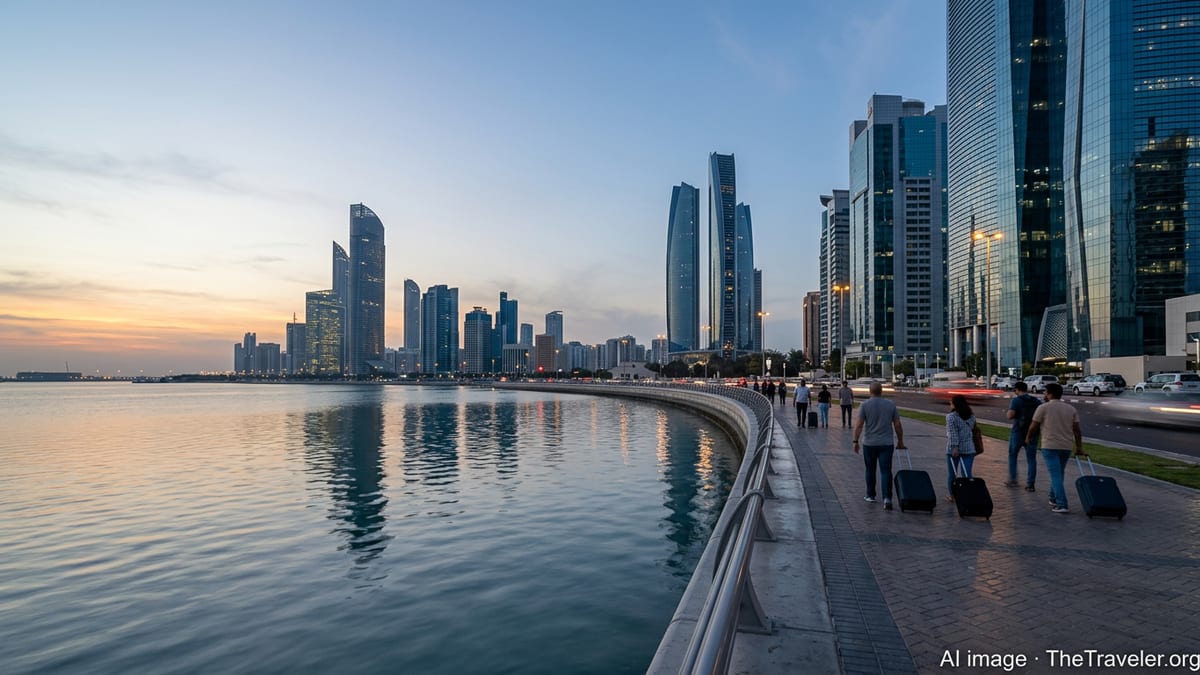
What the updated government advice says about the UAE
The United Kingdom’s Foreign, Commonwealth & Development Office (FCDO) continues to list its United Arab Emirates guidance as current as of 27 October 2026, with recent revisions highlighting regional tensions and the risk of further strikes and retaliatory attacks across the wider Middle East. The advisory stresses that the situation remains unpredictable and that security conditions can change at short notice.
Although the core rating for the UAE focuses on exercising caution rather than a blanket prohibition on travel, the FCDO’s wording points to the possibility of more attacks in the region and urges people already in Gulf countries, including the UAE, to stay alert. The advice underlines that locations associated with Western and Israeli interests may face a higher level of risk, even in cities such as Dubai that are operating normally.
Publicly available UK government information also refers travelers to guidance on how to prepare for a crisis abroad, including recommendations to maintain a supply of essential items, keep travel documents accessible and have contingency plans in case of sudden disruption to flights or local transport. Travelers are encouraged to sign up to official email alerts so they receive any further changes to the UAE section of the FCDO travel pages as soon as they are published.
The current notice does not impose new legal restrictions on British nationals visiting Dubai, but it does amount to a renewed warning that the risk profile of the wider region has shifted. As a result, many tour operators and airlines are advising passengers to keep contact details up to date and to monitor their bookings closely in the coming days.
How other countries now rate travel to Dubai and the UAE
The sharpened UK language comes amid a more cautious stance from several other governments on travel to the United Arab Emirates. The United States elevated its advisory for the UAE to Level 3, “Reconsider travel,” in an update dated 23 October 2026, citing terrorism and armed conflict as key concerns. The summary notes an increased risk of armed attacks in the region and outlines restrictions on movements by US government personnel within the country.
Canada currently advises against all travel to the UAE in connection with military activity and the threat of missile and drone strikes, according to federal travel pages updated in mid October 2026. The Canadian advisory highlights the possibility of flight cancellations and airspace closures, warning that commercial options for leaving the country could be limited if tensions escalate.
Ireland’s Department of Foreign Affairs applies one of its highest warning levels to the UAE, strongly advising citizens against all but essential travel. Irish guidance draws attention to an aviation safety notice issued in July 2026, which recommended that air operators avoid the airspace of several Gulf states, including the United Arab Emirates. Other European governments, including Denmark, Germany and Switzerland, have also moved to discourage tourism to the UAE, based on regional security assessments circulated in the first half of 2026.
In contrast, some countries take a slightly less restrictive stance. Official Australian and New Zealand travel advisories classify the UAE as a destination where travelers should exercise increased caution but do not advise against all but essential travel. These notices nonetheless stress the ongoing threat of terrorism, the possibility of drone and missile attacks, and the risk of short-notice changes to airspace access around Dubai and Abu Dhabi.
Situation on the ground in Dubai and at its airports
Despite the tougher language appearing in foreign travel warnings, Dubai continues to present itself as open for business and tourism. The city’s official tourism and economic promotion bodies describe the local situation as stable and report that public services, hotels, restaurants and major attractions remain operational. Messaging aimed at trade partners emphasizes Dubai’s previous experience in managing global disruptions and its focus on maintaining visitor services while prioritizing safety.
Dubai International Airport and the newer Al Maktoum International Airport remain key transit hubs for passengers across Europe, Asia, Africa and Australasia. Airport and airline updates issued during the current period of Middle East tension confirm that operations have at times been adjusted in response to airspace restrictions elsewhere in the region, resulting in altered routings, schedule changes or reduced frequencies on some routes.
Emirates and other carriers have, in various public advisories during 2026, acknowledged operating reduced or modified schedules on certain Middle East services, while encouraging travelers to check the status of flights and manage disrupted itineraries online. Industry analyses compiled over recent months suggest that while some flights to and from Dubai have been cancelled or rerouted during spikes in regional tension, the city has largely retained its role as a major international connection point.
On the ground, travelers transiting through Dubai in recent weeks have reported largely normal airport conditions, with hotels, lounges and transfer services functioning as usual. However, anecdotal accounts and travel forums also point to an uptick in last minute gate changes, extended routing times around sensitive airspace and occasional delays linked to wider regional disruptions.
What the warning means in practice for UK travelers
The refreshed UK messaging does not automatically invalidate package holidays or scheduled flights to Dubai, but it can have practical implications for insurance and booking flexibility. Travel insurance policies purchased by UK residents often treat official Foreign Office advice as a key condition of coverage. If guidance escalates to advising against all but essential travel to a destination, some insurers may decline new cover or restrict claims for trips booked after the change.
At present, UK advice for the UAE emphasizes awareness of regional tensions rather than imposing an outright “do not travel” designation, which means many insurers are continuing to underwrite policies for Dubai trips. Even so, travelers are being urged by consumer bodies and industry commentators to review the small print of their policies, paying particular attention to clauses related to war, terrorism and government advisories.
Package holiday providers typically monitor Foreign Office updates closely when deciding whether to operate, rebook or cancel departures. When advice clearly moves to “against all but essential travel,” companies often contact customers with options for refunds or alternative destinations. With the current wording focusing instead on heightened vigilance, most mass market operators appear to be maintaining Dubai programs while keeping contingency plans under review.
For independent travelers, the main impact of the latest warning is the need for more careful pre-departure planning. That can include registering contact details with consular authorities, confirming that airlines have up to date mobile numbers and email addresses, and preparing for the possibility that routes or timings could change at short notice.
Practical steps for those flying to or through Dubai now
Anyone due to fly to Dubai in the coming days is being advised by publicly available government and tourism sources to pay close attention to official updates from both their home country and the United Arab Emirates. Travelers should check the UAE section of their own foreign ministry’s website on the day of departure and again shortly before their return flight, in case of new restrictions or security developments.
Airlines serving Dubai generally recommend that passengers use mobile apps or online booking tools to confirm flight status before leaving for the airport. This is particularly important for itineraries that involve transiting through Dubai to other destinations in the Middle East, where schedules can be more vulnerable to sudden airspace changes. Where tickets allow, some carriers continue to offer fee-free date or routing changes when services are significantly altered for security reasons.
Visitors are also encouraged to review local laws and customs in the United Arab Emirates, as penalties for certain offences can be significantly more severe than in the UK. Official advisories highlight the importance of carrying identification, respecting local cultural norms and being aware that legal disputes, including unpaid debts, can lead to travel bans that prevent departure until issues are resolved.
While Dubai’s hotels, malls, beaches and attractions remain busy, the combination of heightened foreign travel advisories and regional instability means that trips now require closer monitoring than in previous years. For many British travelers, the updated Foreign Office warning will not be a reason to cancel outright, but it does signal that journeys to and through Dubai from today onward carry a level of geopolitical risk that should not be overlooked.