


More news on this day
The UK government has issued updated travel advice for the United Arab Emirates, warning that the context in the wider Middle East remains highly unpredictable and that the risk of sudden escalation is high for visitors, including those heading to Dubai.
Get the latest news straight to your inbox!
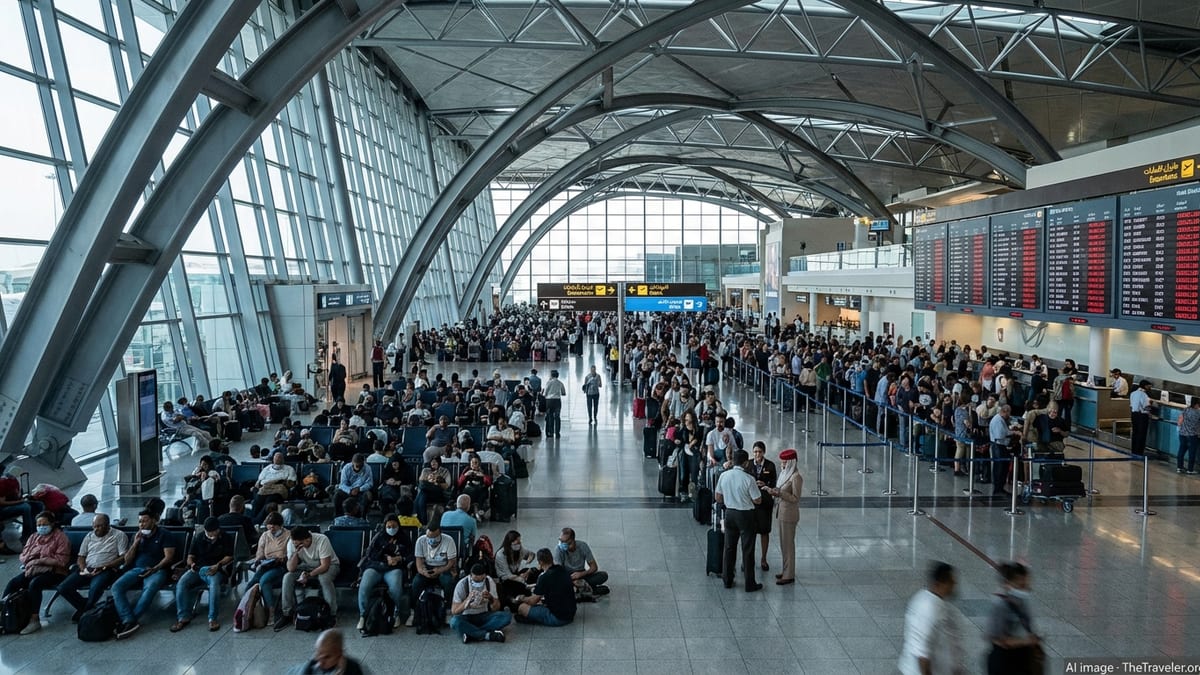
UK Travel Advice Highlights Risk of Sudden Escalation
The latest United Kingdom Foreign, Commonwealth and Development Office (FCDO) update for the United Arab Emirates, published on 27 October 2026, underlines what it terms a deeply unpredictable regional environment. In its section on regional tensions, the guidance stresses that the risk of sudden escalation is high across the Middle East, even as normal life and tourism continue in hubs such as Dubai.
The FCDO notes that since conflict in the region intensified earlier in 2026, Iran and allied groups have carried out and threatened strikes against military and civilian infrastructure in several countries. Publicly available information indicates that these threats extend to locations associated with the United States and Israel, including businesses, facilities and institutions operating around the Gulf.
While the FCDO does not advise against travel to the UAE as a whole, the language on regional tensions has been strengthened several times since mid‑2026. The advice now encourages British nationals to prepare for possible airspace closures, flight cancellations and other disruption affecting journeys through Dubai and other Emirati airports at short notice.
The UK guidance also reiterates a separate warning about terrorism. The FCDO describes a high global threat of terrorist attack affecting UK interests and British nationals and notes that attacks in the UAE could be indiscriminate in places visited by foreigners, adding another layer of risk for holidaymakers considering trips to Dubai.
Dubai Tourism Continues As Airports Stay Operational
Despite the sharper wording from London and other governments, Dubai continues to present itself as open for business. The city’s official travel advisory pages state that the situation in Dubai is stable, with public services operating normally and airports open and operational. Local messaging emphasises the emirate’s record of managing periods of regional disruption while maintaining what it describes as world‑class service standards.
Travel industry reporting indicates that Dubai International Airport remains one of the busiest hubs in the world, with Emirates and flydubai maintaining extensive networks. Some international carriers temporarily suspended services earlier in the year during peak periods of missile and drone activity over the Gulf, but many routes have been restored as operators assess current conditions and government advisories.
Hotel bookings and conference schedules in Dubai also appear to be holding up, according to hospitality sector analyses and recent travel trade coverage. Large‑scale events and exhibitions at the city’s main venues have continued to run, although some organisers have added more flexible cancellation and rebooking terms in case of renewed airspace disruption.
Local authorities in the UAE continue to underline that the safety and wellbeing of residents and visitors is a top priority. Official statements highlight close coordination between federal agencies, aviation authorities and airlines to manage any changes in airspace status, including the possibility of temporary restrictions affecting departures or arrivals at Dubai’s airports.
Diverging International Advisories Reflect Fluid Security Picture
The UK government’s latest language is part of a wider pattern of cautious but not prohibitive travel advice on the UAE. Australia, Canada and New Zealand currently advise travellers to exercise a high degree of caution in the Emirates due to the volatile regional security situation, the threat of terrorism and the risk of drone or missile strikes, but they stop short of broad “do not travel” warnings for Dubai or Abu Dhabi.
Canada’s official advice, updated in mid‑October 2026, points to ongoing drone activity that has periodically reached or been intercepted over Emirati territory and urges travellers to avoid non‑essential trips near certain military installations. Australia’s Smartraveller guidance, refreshed on 8 October 2026, cites recent military strikes and reprisal attacks across parts of the Middle East and warns that UAE airspace may open or close at short notice, directly impacting flights to and from Dubai.
New Zealand’s SafeTravel service similarly notes an unpredictable security environment and highlights the risk of terrorism and potential drone or missile attacks. These advisories echo the FCDO’s assessment that while tourist areas of Dubai may feel calm and daily life appears largely unaffected, the broader strategic picture can change quickly.
The United States has taken a more conservative stance overall, moving its advisory for the UAE to Level 3, or “Reconsider travel,” in late October 2026. The US advisory cites terrorism and armed conflict, as well as an increase in potential armed attacks by Iranian‑supported groups, and notes that US government employees require special authorisation to visit certain bases and critical infrastructure inside the country.
What UK Travellers to Dubai Are Being Urged to Consider
For British nationals planning holidays or business trips to Dubai, publicly available advice now centres on preparation and flexibility rather than outright avoidance. The FCDO recommends that travellers keep departure plans under constant review, ensure passports and visas are in order and sign up for email alerts so that any rapid change in the security or aviation picture reaches them as quickly as possible.
UK guidance encourages travellers to monitor both local and international media for developments related to the conflict, particularly reports of missile or drone launches, changes to airspace status, or new attacks on infrastructure in the region. Visitors are also urged to stay away from areas around security or military facilities and to avoid gathering near diplomatic missions or sites with strong political or religious significance, which may be more exposed to targeted incidents.
The advice outlines practical steps in the event of an alert or incoming attack warning, including moving indoors, staying away from windows and external walls, and not approaching or touching any debris or unidentified objects. Travellers are directed toward UK government resources on crisis preparedness that cover assembling basic emergency supplies and planning how to communicate with family if normal networks are disrupted.
Travel insurers are responding to the changed risk environment in different ways. Some airline‑linked policies, including products offered by major Gulf carriers, now explicitly include cover for conflict‑related disruption, extended hotel stays and rebooking on other airlines if flights are cancelled because of security events. The FCDO stresses that UK travellers should carefully check policy wording so that cancellations or delays linked to regional escalation, airspace closures or official advisories are clearly addressed.
Balancing Popular Demand With Heightened Risk
The updated UK warning comes as demand for Dubai remains strong, especially from European markets heading into the peak winter sun season. Travel trade data and industry commentary point to solid booking numbers for November 2026 onwards, driven by Dubai’s beach resorts, shopping, entertainment and extensive air connections onward to Asia and Africa.
At the same time, security analysts tracking the Middle East point to a series of incidents underlining how quickly conditions could deteriorate. Reports from maritime monitoring bodies show that vessel traffic through the Strait of Hormuz has fallen significantly since the start of the conflict due to missile and drone attacks on tankers and shipping near the Gulf, while regional risk assessments classify the wider area as high risk even during periods without active strikes on UAE territory.
This contrast, between a busy international tourism hub and an unstable regional backdrop, is at the heart of the UK government’s latest wording. For now, flights are operating, hotels are open and Dubai’s attractions are welcoming visitors. Yet the FCDO’s focus on the possibility of sudden escalation underscores that conditions can shift quickly and that travellers should be prepared for abrupt changes to plans.
For prospective visitors from the UK, the practical effect of the new language is likely to be more careful research, closer attention to news from the region and a stronger emphasis on flexible bookings and comprehensive insurance. Rather than deterring all trips to Dubai, the guidance signals that holidays and business travel are still possible, but should be undertaken with full awareness of the heightened and fast‑moving security context.