


More news on this day
British travellers heading to Dubai are being urged to reassess upcoming trips after the UK government sharpened its travel advice for the United Arab Emirates, warning that regional tensions mean the risk of a sudden security escalation is now high.
Get the latest news straight to your inbox!
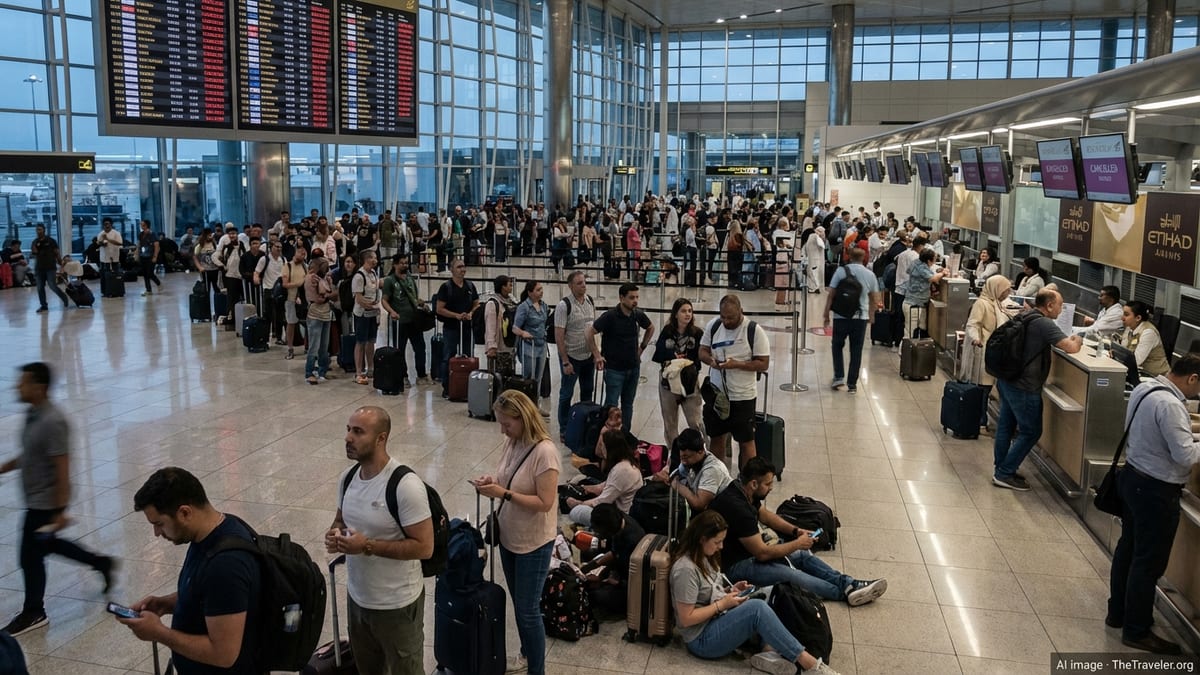
UK Travel Advice Highlights Risk of Sudden Escalation
The latest update to the UK government’s foreign travel advice for the United Arab Emirates, published in July 2026 and still in force on 27 October 2026, points to recent strikes and retaliatory attacks by Iran across the wider Middle East and warns that there is a risk of further attacks and unforeseen escalation in the region. While the advisory does not single out Dubai for imminent attack, it stresses that British nationals across the Middle East should be prepared for flight cancellations, temporary airspace closures and broader travel disruption.
The wording on the UAE section notes an unpredictable security environment linked to the ongoing Middle East conflict, with particular concern around locations associated with the United States and Israel, including businesses and other institutions. Travellers are advised to stay alert to developments, follow local announcements and be ready to adapt their plans at short notice if the regional picture deteriorates.
Separate crisis-focused guidance on the UK government site encourages British nationals in affected countries, including the UAE, to register for travel advice email alerts and to familiarise themselves with consular crisis support. The emphasis is on personal preparedness rather than evacuation, but it reflects heightened concern that the security situation could change quickly with limited warning.
Regional Conflict Drives New Security Concerns
The heightened warning for tourists heading to Dubai is rooted in the wider regional crisis rather than specific incidents inside the city. According to the UK government’s description of regional tensions, since early July 2026 there have been Iranian missile and drone strikes on targets linked to the United States in several Middle Eastern locations. Officials have publicly flagged a risk of further attacks, targeting both military and critical infrastructure sites, and have underlined that the situation remains volatile.
Other governments have updated their assessments in similar terms. The United States currently rates the UAE at Level 3 on its advisory scale, advising travellers to reconsider travel because of terrorism and armed conflict. Its summary highlights the potential for armed attacks, including by groups supported by Iran, and notes that sites linked to Western interests, Jewish and Israeli communities, and critical energy infrastructure could be at particular risk.
Australia’s Smartraveller service recently lowered its overall risk level for the UAE but still urges travellers to exercise a high degree of caution due to the threat of terrorism and the unpredictable regional security situation. Its latest update warns that military strikes and reprisals have occurred across parts of the Middle East, with the possibility of further escalation affecting airspace and leading to sudden flight cancellations at major hubs such as Dubai International Airport and Abu Dhabi International Airport.
Canada’s official travel advice, updated in mid-October, adopts a similar tone, advising a high degree of caution in the UAE as a whole and specifically recommending that travellers avoid non-essential journeys near certain military and air force facilities. That focus reflects a broader concern among Western governments that military and government-linked locations, even when not obviously marked, carry higher risk during periods of regional tension.
What the New Warning Means for Holidaymakers in Dubai
For leisure travellers bound for Dubai’s resorts, malls and beach districts, the UK government’s message does not amount to a blanket ban on tourism. Dubai remains open for visitors, and the FCDO has not moved to a formal “no travel” designation. Instead, the language around a high risk of sudden escalation is intended to underscore that conditions could deteriorate quickly even if daily life in the city appears normal on the surface.
One practical consequence is the increased likelihood of disruption to air travel. Travel advisories and independent security assessments have documented temporary closures of regional airspace and adjustments to flight paths since the latest phase of the Middle East conflict began earlier in 2026. During previous flare-ups, some international carriers temporarily suspended or reduced services into Dubai, while others rerouted aircraft or consolidated schedules. Travellers are now being encouraged by airlines and tourism bodies to monitor booking notifications closely and to avoid heading to the airport until flights are reconfirmed.
Accommodation and local tourism services in Dubai continue to operate, but visitors may encounter enhanced security checks at airports, major hotels, shopping centres and large events. Publicly available information from local authorities and tourism bodies indicates that Dubai’s tourism infrastructure remains focused on business as usual, even as operators factor in contingency plans for any renewed bout of regional instability.
Insurance has become another key consideration. Some policies respond differently when government advisories are raised to stronger wording, especially where phrases such as “reconsider travel” or “avoid non-essential travel” are used. Travellers are being advised by consumer groups and insurers to check policy wording carefully, confirm whether cover remains valid when an elevated advisory is in place, and ensure that disruption caused by airspace closures or regional conflict falls within their protection.
Practical Guidance for UK Travellers Considering Dubai
For British holidaymakers who already have Dubai trips booked, the current advice does not automatically require cancellation, but it does call for a more cautious approach to planning. Travel specialists recommend reviewing the latest FCDO advisory in full before departure, registering contact details with the relevant airline and ensuring that mobile contact information is up to date so that schedule changes and gate moves can be communicated quickly.
Once in Dubai, travellers are encouraged to stay informed through reliable international and local news sources, as well as official channels from their airline, travel provider and the UK government. In the event of new missile incidents or a significant expansion of the conflict, these outlets are likely to provide the first indications of any effect on airspace, airport operations or overflight routes that could impact return journeys.
Security guidance from several governments suggests that visitors should avoid military sites, government buildings and critical energy infrastructure, which in the UAE are not always clearly signposted. Large gatherings, high-profile political events and demonstrations are also identified as locations where risks can rise quickly. Tourists are generally advised to remain aware of their surroundings, comply with local security instructions where given, and be ready to move away from crowded areas if the situation feels tense or unclear.
Given that Dubai remains one of the world’s busiest long-haul transit and holiday hubs, many UK travellers will still choose to go ahead with trips in the coming months. The sharpened UK warning does not close that option, but it does signal that anyone heading to the city should be prepared for a more fluid environment than in previous years, building flexibility into itineraries and keeping contingency plans in mind if regional tensions escalate further.