


More news on this day
Australian travellers are being urged to reassess their plans as new government travel advice, airline notices and insurance alerts reshape the global risk landscape for trips in mid-2026.
Get the latest news straight to your inbox!
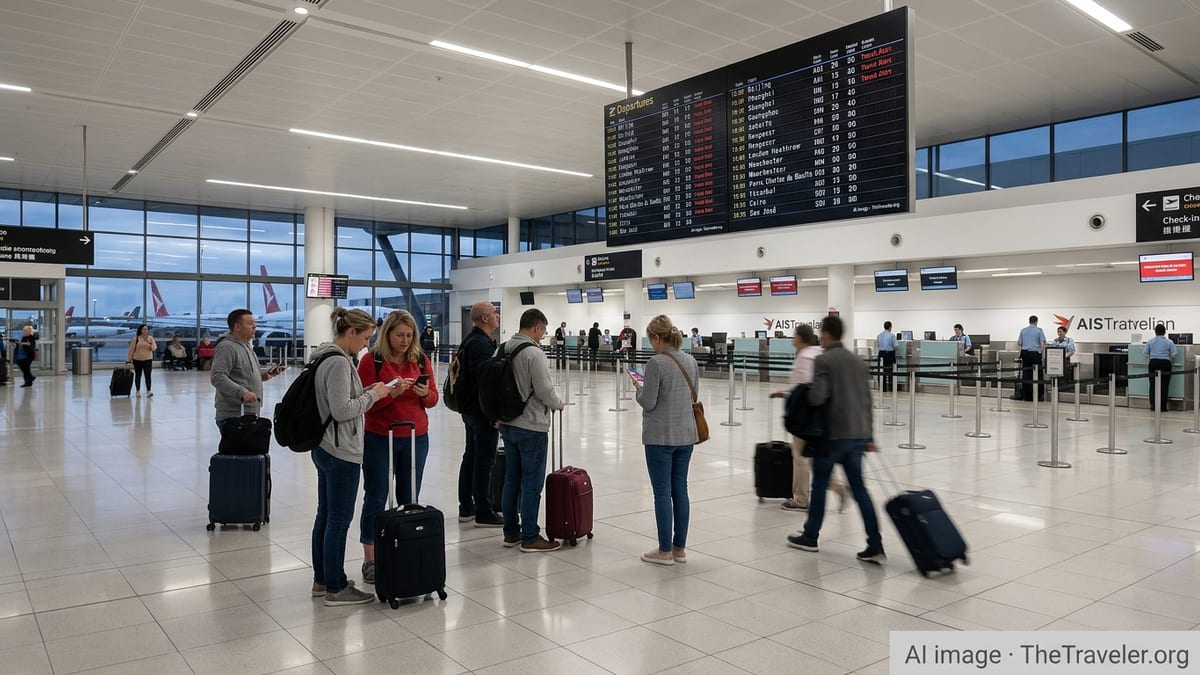
Middle East advisory downgrades mask ongoing volatility
Recent changes to Australia’s official travel advice for parts of the Middle East have attracted attention from would-be holidaymakers. Publicly available government information shows that advice levels for Bahrain, Israel, Kuwait, Qatar and the United Arab Emirates were revised in mid June from the highest “Do Not Travel” category to “Reconsider your need to travel”. Some areas within Israel remain at the highest warning level.
The shift reflects an assessment that immediate risks have eased compared with earlier in the year, but it does not signal a return to business as usual. Government guidance notes that conditions across the region could deteriorate quickly with little warning, and that security incidents can still occur in areas popular with international visitors.
Coverage from Australian travel media also highlights that these adjustments sit alongside long standing “Do Not Travel” advisories for a range of other destinations affected by conflict, political instability or high crime. For Australian travellers, the message is that a lower level does not equate to low risk, and plans to transit major Middle Eastern hubs still require careful scrutiny of airline routing and local conditions.
Major carriers have begun incorporating the new advice into their customer updates. Notices from airlines serving routes via the Gulf now flag the revised government warning level and encourage passengers to review their itineraries, check transit rules and understand any change or cancellation flexibility before departure.
High risk destinations remain off the agenda
Despite selected downgrades, the overall list of countries attracting the most serious warnings for Australians remains extensive. Travel features drawing on the Smartraveller database report that more than twenty countries worldwide are currently subject to the strongest advisory level, covering parts of Africa, the Middle East, Eastern Europe and the Americas.
These advisories typically relate to armed conflict, terrorism, civil unrest, kidnapping risk or a breakdown in basic services. In some cases they are long running, while in others they reflect more recent spikes in instability. Travellers who might previously have considered adventurous trips to such locations are being reminded that government advice at the highest level can affect not only personal safety but practicalities such as insurance and consular support.
Travel insurers are reinforcing that point. Public alerts from major Australian brands emphasise that when a destination is subject to a “Do Not Travel” warning, policies may not cover losses arising from the circumstances behind that warning if travellers choose to go regardless. That can leave holidaymakers exposed to the full cost of medical care, evacuations or trip disruption in already challenging environments.
Industry commentary suggests demand from Australians for the highest risk destinations has already fallen sharply in 2026, as tour operators scale back itineraries and airlines trim or reroute services. For now, the focus is shifting toward countries with lower advisory levels but new event driven complications, from major sporting tournaments to outbreaks of disease.
Event travel and changing conditions in popular markets
Even in destinations where the overall advisory remains at “Exercise normal safety precautions”, Australian travellers are being advised to plan for temporary pressures and heightened risks linked to large events. Updated guidance for the United States notes that the country is co hosting the 2026 FIFA World Cup between June and July, a tournament expected to drive a significant spike in visitor numbers to host cities.
That influx is likely to stretch accommodation, transport and health services, with local authorities warning of crowding, scams and petty crime around fan zones and major stadiums. Travellers heading to matches are being encouraged by official material and travel industry commentary to book early, stay across ticket and entry rules, and pay close attention to any city specific security information that may emerge closer to kick off.
Elsewhere, advisory tweaks for neighbouring destinations highlight how quickly risk profiles can change. Regional reporting in late May pointed to a higher warning level for Papua New Guinea, reflecting concerns about unrest and public safety in some parts of the country. Travellers heading for business, family visits or trekking holidays are being prompted to check the latest city by city and provincial guidance rather than relying on older advice.
Health related alerts are also on the radar, with international coverage tracking fresh outbreaks of communicable diseases and debating whether border controls are warranted. While Australia has so far resisted broad travel bans in response to recent cases overseas, officials and medical experts continue to monitor developments that could affect returning travellers or those in transit through affected hubs.
Airlines and insurers refine rules as warnings shift
For Australian travellers, the practical consequences of warning updates often flow first through airlines and insurers. Recent customer notices from carriers have highlighted changes on services that pass through higher risk regions, encouraging passengers to adjust routings or travel dates if they feel uncomfortable with revised conditions.
Some airlines are offering additional flexibility for flights booked before the latest changes, allowing customers to defer travel or reroute through alternative hubs within defined time frames. These arrangements vary by carrier and fare type, and are usually tied closely to government advisories, so travellers are being urged by consumer advocates to read the fine print on change fees, credits and refund eligibility.
On the insurance side, alert pages from Australian providers reiterate that cover is strongly linked to the timing of events and advisories. If travellers purchase a policy after a known incident or warning is issued, they may not be covered for disruptions linked to that specific event. Conversely, those already overseas when conditions worsen may have limited extensions available if they cannot safely return home before their policy expires.
Travel industry advisers say the net effect of these shifting rules is a more complex planning environment. Australian holidaymakers are increasingly expected to keep digital copies of policy wordings, monitor airline updates and adjust their risk appetite as advisories change, rather than treating bookings as fixed months in advance.
How Australian travellers can stay ahead of new alerts
Alongside formal warning updates, Australian travellers are being encouraged to adopt more proactive habits before and during overseas trips. Government embassies promote the national advisory platform as the central reference point for destination specific risks, entry rules, local contacts and news. Travellers can subscribe to receive email alerts when advice for a chosen country changes, reducing the risk of being caught out by sudden developments.
Complementing that official guidance, tools such as online travel health maps compile advisory levels and vaccine recommendations in one place, drawing on government data. These resources are intended to help Australians weigh destination choices, understand seasonal disease patterns and plan clinic visits well before departure dates.
Consumer information also stresses the importance of practical steps that remain relevant regardless of destination. These include checking passport validity and visa conditions, confirming that bookings match the name on travel documents, and ensuring adequate travel insurance is in place from the time of payment, not just from the date of departure. Recent documentation from Australian agencies has highlighted that border officials in many countries now have greater discretion to deny entry even when visitors hold a valid visa, adding another layer of uncertainty for poorly prepared travellers.
With global conditions still fluid in mid 2026, the updated warnings serve as a reminder that international travel requires more homework than it did before the pandemic. For Australians keen to head overseas, staying informed, flexible and fully insured is emerging as the safest response to a shifting map of risk.