


More news on this day
Passengers flying with easyJet, Jet2 and other major carriers from Newcastle International Airport have faced a fresh spell of delays, as the North East hub grapples with congested summer schedules and wider pressures on the European aviation network.
Get the latest news straight to your inbox!
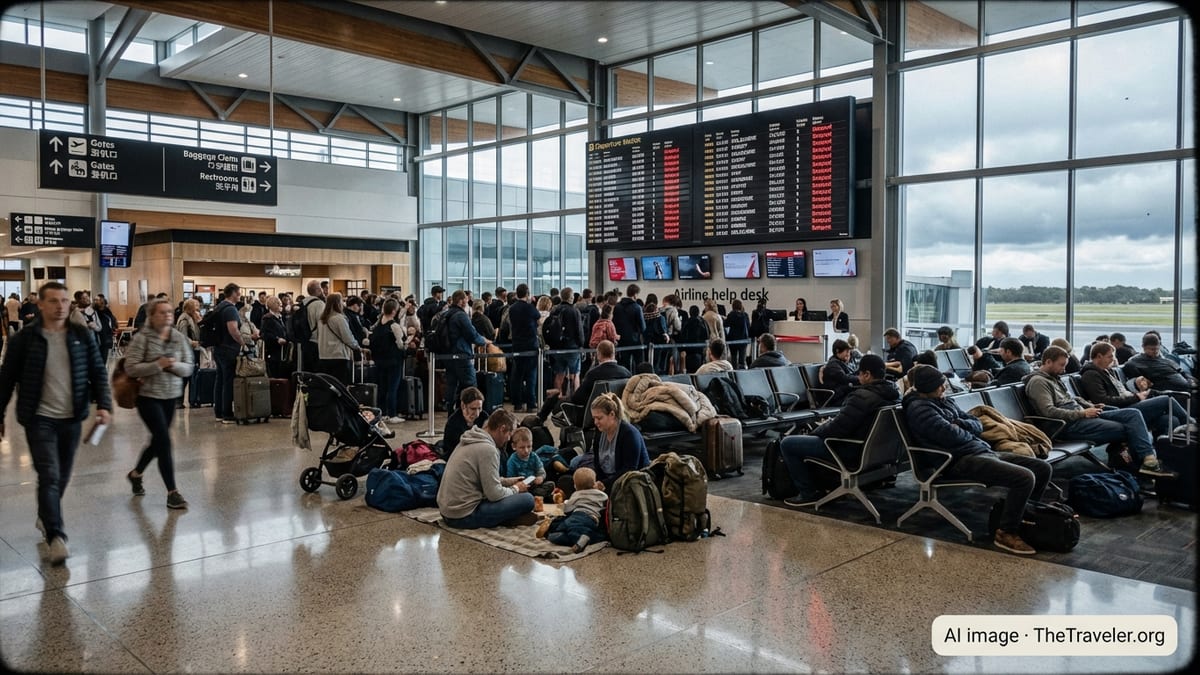
Queues and late departures test early-summer getaway
Recent days have brought a noticeable increase in late departures from Newcastle International Airport, with publicly available flight-tracking data showing a string of services leaving behind schedule. Jet2 holiday flights to popular Mediterranean destinations have been among those affected, alongside easyJet services on domestic and short-haul European routes.
One Jet2 departure from Newcastle to Antalya in May left more than two hours after its scheduled time, with arrival in Turkey close to two hours late, according to independent tracking records. While that individual delay predates the latest spell of disruption, it illustrates the kind of knock-on effects that can ripple through busy leisure schedules as the main summer season approaches.
Arrivals boards for late May and early June also show multiple flights arriving outside their planned windows, including services operated by low-cost and legacy airlines. In most cases aircraft have still completed their journeys the same day, but even moderate delays have been enough to unsettle carefully timed connections, transfers and hotel check-ins for travelers.
The pattern is emerging just as Newcastle International Airport prepares for one of its busiest summers on record, with airlines pushing more capacity through the regional gateway and load factors rising as schools approach the main holiday break.
easyJet and Jet2 expand from a congested base
Newcastle International has grown into a significant base for both easyJet and Jet2, which use the airport as a launch point for dense programs of city breaks and beach holidays. Airport information lists both carriers among its main based airlines, alongside other low-cost and leisure operators.
Jet2 has been steadily building its presence, with recent company updates touting Newcastle as one of the pillars of its United Kingdom network and highlighting record summer programs from the North East. At the same time, the airport has signaled strong outbound demand, projecting tens of thousands of passengers over peak holiday weekends as families head for the Mediterranean and other sun destinations.
easyJet is also in growth mode at Newcastle, with seasonal flights to French and central European cities adding to an existing schedule of domestic and leisure routes. A new link between Newcastle and Nice is among the services being promoted for the 2026 summer period, adding further pressure to runway and stand capacity during already busy departure banks.
While the expansion underscores confidence in the region’s travel market, it also means less slack in the system when something goes wrong. With more aircraft turning around in narrow time windows, even minor operational issues can cascade into wider delays affecting several departures in succession.
Wider European bottlenecks feed into local disruption
The pressures at Newcastle do not exist in isolation. European air traffic management reports for early 2026 describe a continent-wide picture of rising demand and persistent delays, with average departure hold-ups creeping above pre-pandemic levels. Congested airspace, weather-related restrictions and staffing constraints at control centers are all cited as recurring themes.
Against that backdrop, regional airports such as Newcastle can find themselves at the mercy of events hundreds of miles away. When aircraft or crews are held on previous sectors, or when flow restrictions are imposed on key routes to Spain, Turkey or central Europe, departures from the North East often have to be retimed, even when local conditions appear calm.
Industry-wide data for January 2026 points to average departure delays of around 18 minutes across European commercial flights, illustrating the baseline of disruption now built into many schedules. During holiday peaks that average can spike significantly, especially when thunderstorms or industrial action hit one or more major hubs feeding traffic to and from the United Kingdom.
Newcastle’s role as a leisure gateway amplifies that vulnerability, because so many of its flights operate to the same small cluster of busy holiday regions. When traffic control restrictions or weather problems strike those hotspots, multiple services from the North East are affected at once, intensifying queues at check-in, security and departure gates.
Passenger rights and what travelers can do
The recent delays have prompted renewed interest in passenger rights under United Kingdom and European regulations, particularly for those booked on easyJet and Jet2 flights from Newcastle. Under the post-Brexit version of EU261 rules, travelers on qualifying flights may be entitled to assistance, rebooking or compensation when disruption is caused by issues within an airline’s control.
Consumer advocates point to a range of practical steps passengers can take, starting with monitoring their flight status through airline apps and independent trackers before leaving for the airport. Keeping receipts for meals, transport and accommodation during severe disruption can help travelers recover costs later if compensation rules apply.
Travelers are also being advised to build more margin into their plans, especially when connecting onto cruises, events or onward flights booked separately. Leaving at least several hours between a Newcastle departure and any fixed-time commitment can reduce the risk that a moderate delay snowballs into a missed connection or lost booking.
For holidaymakers still at the planning stage, some travel commentators suggest considering early-morning departures, which statistically suffer fewer knock-on delays than late-afternoon or evening flights that depend on multiple prior sectors running on time.
Outlook for the peak summer season
Looking ahead to July and August, Newcastle International Airport is forecast to handle record numbers of passengers, supported by expanded schedules from Jet2, easyJet and other carriers. Airport planning documents and airline announcements highlight a focus on popular sun routes, with additional frequencies to Spanish islands, the Canary Islands and Turkey.
The airport and its airline partners are also promoting investments in ground operations, including more electric ground service equipment and updated turnaround procedures, aimed at improving punctuality and reducing emissions. While such measures may not eliminate delays entirely, they are intended to reduce the scale and frequency of disruptions that passengers have experienced in recent weeks.
Travel industry observers note that some level of delay is likely to remain a feature of peak-season flying in 2026, given the complex interplay of weather, airspace constraints and strong post-pandemic demand. For Newcastle-based travelers, the challenge will be to navigate that reality with realistic expectations, while making use of the tools and protections available to them.
As schools begin to break up and the main holiday season gathers pace, the recent run of late departures at Newcastle serves as a timely reminder that even well-planned trips can face unwelcome surprises. For easyJet, Jet2 and their passengers, the coming weeks will be a key test of how resilient the airport’s growing operation can be under full summer pressure.