


More news on this day
Nigeria’s aviation authorities are weighing tougher sanctions against airlines, including Air Peace, as fresh disruption data and renewed passenger complaints keep domestic flight reliability under scrutiny heading into late 2026.
Get the latest news straight to your inbox!
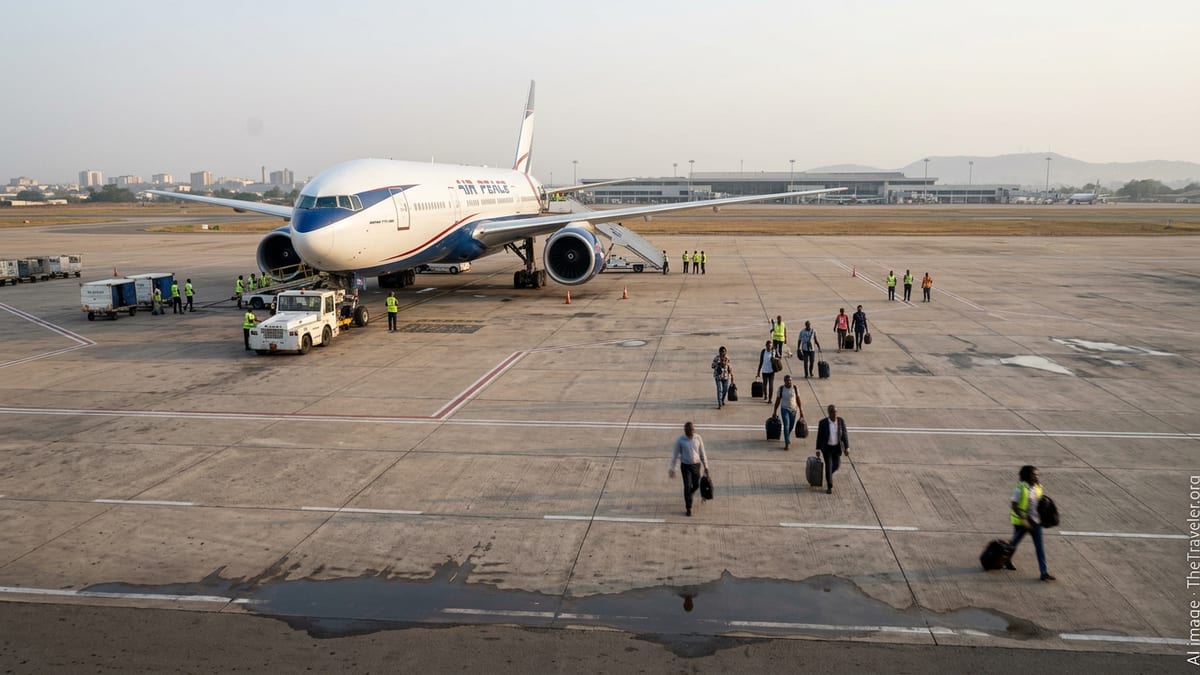
August disruption figures put airlines under new pressure
Published coverage of Nigeria Civil Aviation Authority (NCAA) operational summaries indicates that domestic airlines recorded 4,765 delayed flights and 36 cancellations in August 2026, out of 7,961 total domestic flights. The same reporting placed Air Peace and United Nigeria Airlines among the carriers with the highest disruption volumes for the month.
The data, amplified widely across Nigerian media, has added momentum to calls for firmer enforcement, especially around consumer protection obligations. While disruption statistics do not, by themselves, explain the cause of each delay, the scale of late departures has fueled a renewed public debate over accountability between airlines, airports, ground handling firms, weather, and air traffic flow constraints.
In separate published coverage, some airline representatives have pushed back on the NCAA’s monthly scorecard framing, arguing that a single headline delay rate can flatten complex operational realities. Even so, the regulator’s decision to publish monthly summaries has made reliability performance more visible to travelers and has increased reputational pressure on the worst performers.
What “sanctions” can mean in Nigeria’s current regulatory approach
Publicly available NCAA statements from prior enforcement cycles show that the regulator has been using consumer-protection-linked tools when pursuing sanctions for service failures. Recent NCAA communications have emphasized that enforcement actions against airlines can be tied to consumer protection infractions, rather than safety issues.
A central focus has been refund handling. NCAA statements have referenced requirements contained in Part 19 of the NCAA Regulations 2023, which governs passenger rights and airline obligations in cases such as delays and cancellations, including timelines for processing refunds and the handling of customer complaints.
NCAA publications also indicate the regulator has convened stakeholder meetings on flight delays and cancellations, with messages urging operators to align schedules with available aircraft and to improve responsiveness to passenger complaints. In that context, weighing sanctions can span administrative penalties, compliance directives, and escalated enforcement for repeat issues, depending on the infraction type and whether remedial steps are taken.
Air Peace and other airlines face scrutiny beyond delays
Air Peace has repeatedly appeared in publicly discussed enforcement and consumer-protection conversations, both for domestic disruption patterns and for high-profile customer incidents that draw attention to communication and care during irregular operations. Published coverage around a widely shared customer dispute involving an international delay also prompted renewed discussion of how airlines communicate disruptions, provide accommodation, and manage baggage access when flights are delayed outside Nigeria.
Beyond day-to-day punctuality, the broader airline operating environment in Nigeria includes financial and structural pressures that have occasionally spilled into regulatory action. Earlier in 2026, media reports described an NCAA “No-Pay-No-Service” initiative linked to outstanding statutory charges, followed by an NCAA notice indicating the directive was later suspended, reflecting how enforcement pressure can extend beyond flight performance into compliance with statutory remittances and sector stability concerns.
At the same time, official government messaging in 2026 has also highlighted cost stresses across the sector, particularly around Jet A1 fuel pricing and supply challenges. That tension, between supporting airline viability and protecting passengers from chronic disruption, has become a defining feature of the current policy debate.
What travelers can expect and how to protect themselves
For travelers, the near-term implication of the “sanctions” discussion is that airlines may face stronger incentives to reduce over-scheduling, tighten aircraft utilization planning, and communicate changes more promptly to passengers. In practice, that can mean fewer flights offered for sale on heavily constrained routes, more conservative timetables, and a higher likelihood that airlines will consolidate services when aircraft availability or operational disruptions emerge.
NCAA consumer guidance made available publicly emphasizes that passengers have rights in cases involving flight disruptions, including delays and cancellations, and that the regulator provides channels for complaints when airline resolution is unsatisfactory. That consumer-protection posture is expected to remain central if enforcement escalates.
For those booking domestic travel in Nigeria over the coming weeks, published disruption trends suggest planning for buffers around same-day connections, time-sensitive meetings, and events. Where possible, travelers may wish to prioritize earlier departures and keep documentation related to delays, rebooking, and refund requests, as regulators have signaled that refund timelines and complaint handling are enforcement priorities.
Why the debate is intensifying now
The push toward stronger penalties is unfolding amid a broader effort to stabilize Nigeria’s aviation market while preventing repeated service breakdowns that erode consumer confidence. With the regulator publishing monthly disruption summaries and airlines disputing aspects of the presentation, the conversation has shifted from isolated passenger complaints to a more data-driven argument over reliability, root causes, and enforceable standards.
Reports indicate the government and regulator are attempting to balance two urgent goals: keeping domestic capacity available in a high-cost operating environment, and ensuring passengers are not left absorbing the consequences of chronic delays, cancellations, and slow refunds. Whether sanctions ultimately take the form of fines, operational restrictions, or targeted compliance directives, the immediate signal to airlines is that delay performance and consumer-protection obligations will remain at the center of regulatory attention through the remainder of 2026.