


More news on this day
A Norfolk Southern freight train derailment in Bucyrus, Ohio, prompted late night evacuations and ongoing shelter operations after a suspected hydrochloric acid tanker raised safety concerns near a residential rail crossing.
Get the latest news straight to your inbox!
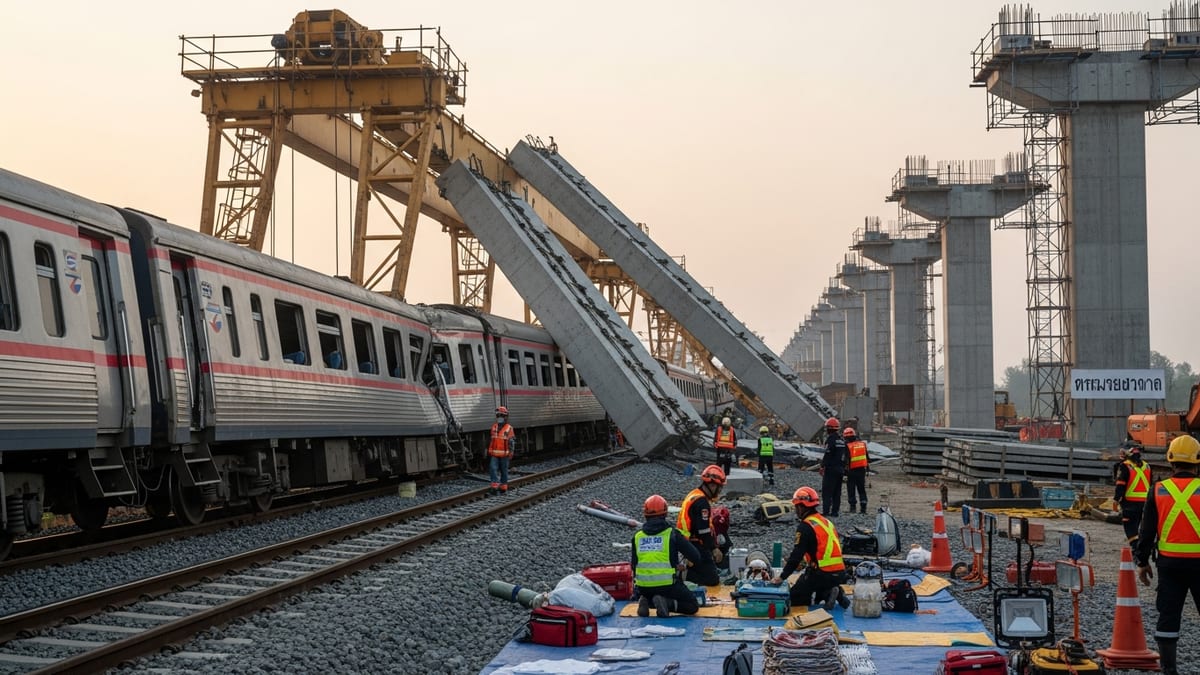
Evacuation orders follow derailment near Bucyrus neighborhood
Publicly available information indicates that the derailment occurred on Sunday night, July 5, at a railroad crossing on Whetstone Street in Bucyrus, a small city in northern Ohio. Multiple freight cars left the tracks near nearby homes and local streets, halting rail traffic through the area and drawing a large emergency response.
Initial alerts described a one mile evacuation radius, later refined to an area measured at roughly one third of a mile around the site. Residents closest to the crossing were urged to leave their homes as a precaution after early assessments identified a tanker car believed to be carrying hydrochloric acid.
News coverage from regional outlets describes the scene as active but controlled, with crews working through the night to stabilize the derailed train and to monitor air conditions. As of the morning of July 6, reports did not describe widespread injuries, but emphasized the disruption to neighborhood life and the uncertainty for those ordered to leave.
Hydrochloric acid concerns drive cautious safety perimeter
Hydrochloric acid is widely used in industry and can pose health risks at high concentrations, particularly to the respiratory system and skin. Early reports from Bucyrus focus on the potential for a leak from the damaged tanker, rather than on a confirmed large release, which led responders to adopt a cautious initial evacuation radius before narrowing the zone overnight.
Coverage from Ohio-based news organizations indicates that air monitoring and visual inspections did not show evidence of a major, uncontrolled plume in the hours after the derailment. That assessment allowed the evacuation perimeter to be reduced from the earliest guidance to a quarter mile zone by early Monday, while still keeping the closest homes and businesses cleared as a preventive measure.
Available information also notes that additional hazardous materials resources were sent to the scene to evaluate the railcar and surrounding environment. This type of layered response has become more common following prior Norfolk Southern incidents in Ohio, with local agencies coordinating closely on chemical data and weather conditions before adjusting evacuation advice.
Residents displaced as Bucyrus high school opens as shelter
The derailment and subsequent evacuation have temporarily dislocated residents who live within the restricted area around Whetstone Street. Regional media reports state that an area high school in Bucyrus opened as an emergency shelter, offering a place to sleep and basic services for those unable to stay with family or friends outside the evacuation zone.
For many evacuees, the disruption arrived with little warning late on a summer weekend evening, complicating travel plans and routines. Families reported leaving quickly with pets and essential items while rail and public safety crews assessed the risk from the damaged tanker car.
As of July 6, published coverage suggests that the shelter operations remain in place while cleanup crews continue to clear derailed cars and confirm that no dangerous levels of hydrochloric acid are present in the surrounding air. The length of time residents will remain away from their homes depends on how quickly the rail corridor can be secured and any lingering hazards addressed.
Travel disruption along a key northern Ohio rail corridor
The derailed Norfolk Southern freight train is part of a busy corridor that crosses northern Ohio, carrying both regional freight and through traffic that passes near communities like Bucyrus. The incident has temporarily blocked a section of track that connects larger hubs in the Midwest, with rail operations paused while heavy equipment is brought in to rerail or remove damaged cars.
According to regional transportation coverage, nearby roadways around the crossing have been closed or partially restricted to keep traffic away from the incident site and to provide access for cranes, hazmat teams and inspection crews. Drivers traveling through Bucyrus are being redirected around Whetstone Street and Auto Avenue, creating local congestion and longer travel times for residents and visitors.
Rail customers and logistics operators using this Norfolk Southern route may also experience delays as trains are held, rerouted or rescheduled until the line reopens. While the derailment is localized, it highlights how an incident at a single crossing can ripple through both community streets and long distance freight timetables.
Derailment adds to scrutiny of Norfolk Southern safety record
This latest incident in Bucyrus arrives amid continuing public attention on Norfolk Southern’s safety performance following several high profile derailments in recent years. Previous accidents involving hazardous materials, including the 2023 disaster in East Palestine, Ohio, have driven federal rule changes, civil settlements and a series of ongoing investigations into rail operations and risk management.
Policy documents and recent coverage of rail safety debates note that regulators have pressed major freight railroads to improve track inspections, upgrade wayside detectors that monitor train components in motion, and share more complete hazardous cargo information more quickly with local agencies after a derailment. Communities along busy freight corridors have followed subsequent incidents closely, particularly when tankers carrying corrosive or flammable materials are involved.
In Bucyrus, early indications suggest that a large scale chemical release has not been confirmed, but the rapid imposition of an evacuation perimeter underscores how seriously potential hazmat exposures are now treated. As investigators review track conditions, train makeup and equipment performance, the Bucyrus derailment is likely to feed into the broader national discussion about how to balance the efficiency of freight rail with the safety expectations of the communities it crosses.