


More news on this day
Rail operator Northern has issued a rare “do not travel” warning for passengers across North West England as Storm Boelo brings severe winds, widespread line closures and major disruption to weekend services.
Get the latest news straight to your inbox!
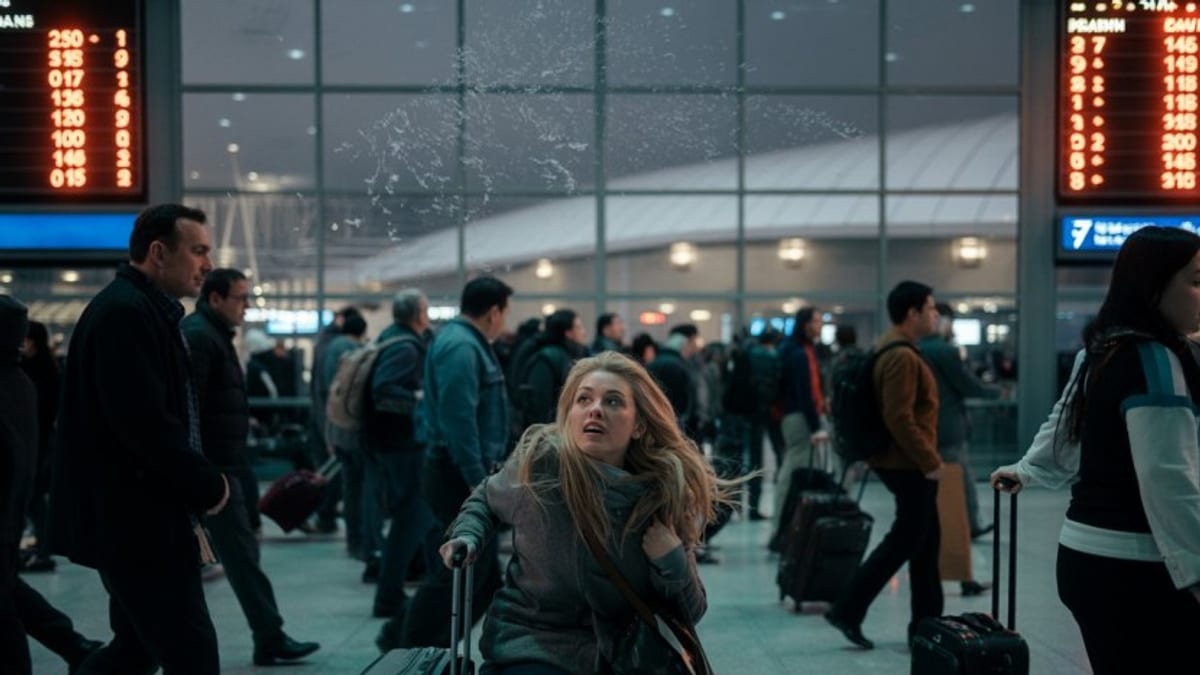
Severe winds trigger rare warning across the North West
Publicly available information from Northern and regional media indicates that the operator is strongly advising customers not to travel on key North West routes affected by Storm Boelo. The weather system is bringing widespread gusts of 50 to 60 mph across northern areas, with higher speeds recorded in exposed locations, creating a significant safety risk on and around the railway.
The warning covers much of Northern’s North West network, with reports highlighting routes around Wigan, Greater Manchester, Lancashire and Cumbria as particularly affected. According to regional coverage, Northern services in these areas face extensive cancellations, short-notice changes and severe delays as the storm passes through.
Met Office alerts issued in recent days show yellow and amber wind warnings across northern England, North Wales, Northern Ireland and Scotland as Storm Boelo tracks east. These warnings flag a risk of flying debris, fallen trees, damage to buildings and disruption to power supplies, all of which can directly impact rail operations.
Network Rail statements on the storm confirm that engineers are dealing with multiple weather-related incidents in the North West, including debris on the line and overhead line damage. In combination with high winds, these hazards have made it difficult to guarantee safe and reliable services during the peak of the storm.
Major disruption on key North West routes
Travel updates from the region point to severe disruption on several strategic routes linking major urban centres. Lines between Liverpool, Wigan, Preston, Blackpool, Manchester and Carlisle have been among those most affected, with some services reportedly withdrawn entirely while conditions remain hazardous.
Local news reports from Wigan and Greater Manchester describe widespread cancellations, with Northern advising passengers that rail replacement buses are not being provided on certain corridors because of both availability issues and the ongoing weather risk on the road network. This has left many communities with significantly reduced options for long-distance and regional travel during the storm.
Other operators are also reporting significant impacts linked to Storm Boelo. Public travel advice indicates that Avanti West Coast has been urging customers to avoid journeys north of Preston, while TransPennine Express has warned that only essential journeys should be attempted on some cross-Pennine and Anglo-Scottish routes. These combined messages underline the scale of disruption across the wider North West and border regions.
For Northern’s own network, the “do not travel” warning is designed to limit the number of passengers potentially stranded on trains or at stations if conditions worsen further. Historic guidance published by the operator on its severe disruption policy shows that such messages are reserved for periods of exceptional weather or infrastructure damage, when widespread cancellations, delays and suspensions are anticipated.
Met Office warnings and wider storm impacts
Met Office briefings on Storm Boelo describe a deep area of low pressure moving across the northern UK, following closely behind Storm Austen, which affected southern and western regions earlier in the weekend. Forecasters have highlighted the risk of gusts up to around 80 mph in the most exposed northern and western areas, with amber warnings issued for parts of western and central Scotland, northern England and sections of Northern Ireland.
These warnings note a potential danger to life from flying debris, as well as damage to buildings, falling trees and power cuts. Publicly available regional updates from the North West confirm that homes have already been left without electricity in some areas as lines are brought down by the high winds.
Authorities and infrastructure operators across the northern UK have been implementing contingency measures in response. Network Rail has introduced speed restrictions on some open lines to mitigate the risk of trains striking fallen trees or debris, while other routes have been pre-emptively closed where the risk from high winds and obstructions is judged too great.
Road networks across northern England and southern Scotland are also reporting disruptions, with closures and difficult driving conditions in places. Travel advice from road agencies reinforces the message to reconsider non-essential journeys, particularly in areas covered by amber weather warnings where impacts are expected to be more severe.
What Northern’s ‘do not travel’ message means for passengers
Guidance published by Northern on its disruption policies explains that a “do not travel” message is used only in cases of severe, network-wide or regional disruption caused by events such as extreme weather. Under these circumstances, trains may be cancelled, heavily delayed or terminated short of their usual destinations, and it may not be possible to offer alternative transport.
The current situation in the North West during Storm Boelo reflects many of these conditions. With strong winds affecting multiple routes at once, and engineering teams working to clear obstructions and repair damage, operators are unable to guarantee that services will operate as timetabled. In addition, rail replacements are difficult to organise while roads are affected by the same high winds, fallen trees and surface water.
Passengers who decide they must travel despite the warning are being urged, through public channels, to check journey planners and live departure boards before setting out. However, information may change at short notice as new incidents arise or as safety assessments are updated throughout the day.
In previous severe weather events, Northern’s published policy notes that ticket acceptance and refund arrangements have been put in place to provide flexibility for those unable to complete their journeys. Early indications around Storm Boelo suggest that similar options are likely, but passengers are being directed to official operator and National Rail information pages for the latest details on refunds, rebooking and ticket validity.
Practical advice for travellers during Storm Boelo
For travellers currently in or heading to North West England, publicly available advice from rail and road operators stresses the importance of reassessing non-essential plans while Storm Boelo continues to affect the region. Those who can delay journeys until weather warnings are downgraded may face fewer cancellations and a more predictable service pattern.
Where travel is unavoidable, planning extra time is essential. Disruptions can include extended journey times, unplanned changes of train, and the need to switch to different routes if lines remain blocked. Travellers are also being encouraged to prepare for potential station closures, reduced staffing and limited catering services if staff are unable to reach their posts.
Given the risk of power cuts and communications issues reported in some affected communities, relying on a single device or connection for travel information may not be sufficient. Passengers are advised in public guidance to check multiple information sources where possible and to keep relatives or accommodation providers updated about any significant delays.
With Storm Boelo expected to continue bringing high winds and unsettled conditions to northern parts of the UK in the short term, the overall message from transport operators and forecasters remains cautious. For many passengers in the North West, postponing trips until conditions stabilize is likely to be the safest and least disruptive option.