


More news on this day
The United Kingdom has tightened its travel warnings across parts of the Middle East as regional tensions, ongoing conflicts and the risk of sudden escalation continue to disrupt flight schedules, consular access and insurance coverage for UK travellers.
Get the latest news straight to your inbox!
Fresh Warnings Citing Unpredictable Security Landscape
Updated Foreign, Commonwealth and Development Office (FCDO) advisories in late October 2026 describe the security context across the Middle East as unpredictable, with an elevated risk that hostilities could flare with little warning. The language highlights concerns about renewed confrontation after a series of conflicts and ceasefires involving Israel, Palestinian territories, Lebanon, Iran and armed groups active along key borders.
For Israel and the Palestinian territories, the FCDO continues to advise against all travel to Gaza and to a number of locations in the West Bank, including the governorates of Jenin, Tulkarm and Tubas, as well as areas immediately adjacent to the Gaza border. The guidance also advises against all but essential travel to additional parts of Israel, reflecting persistent security incidents and the possibility of further military action.
Recent updates to the Israel travel advice emphasise that the risk of sudden escalation remains high despite declared ceasefires between Israel and Lebanese Hizballah and between Israel and Iran earlier in 2026. Publicly available information stresses that any renewed hostilities could quickly affect civilian infrastructure, border crossings and commercial aviation.
Travel advisories for neighbouring states also remain elevated. In Lebanon, the FCDO now advises against all travel to significant parts of the country, particularly in the south, where airstrikes and ground operations have continued despite a formal cessation of hostilities announced in mid‑2026. The guidance states that travel to or within Lebanon is at an individual’s own risk and urges UK nationals to maintain their own contingency plans.
Flight Disruptions and Airspace Closures Affect Trip Planning
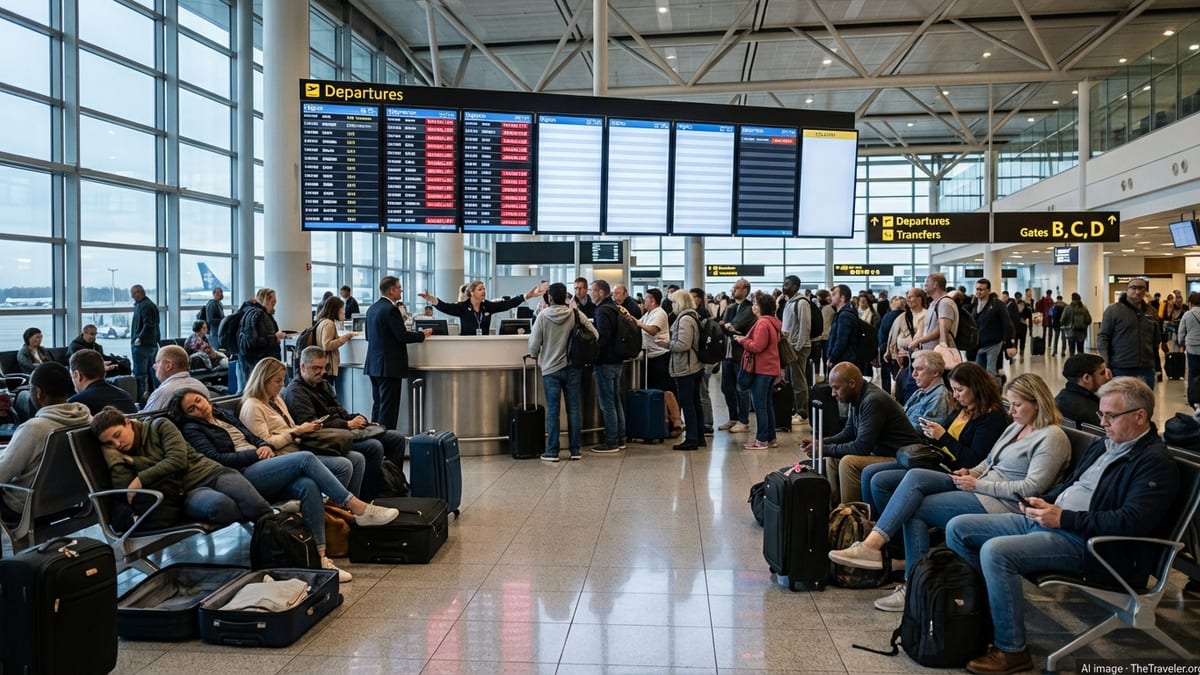
The tighter UK travel warnings come against a backdrop of ongoing disruption to air travel across the region. Government travel pages note that British nationals in or transiting through the Middle East should be prepared for sudden flight cancellations, changes to routing and temporary airspace closures, especially during periods of heightened tension or retaliatory strikes.
International travel advisories from other governments describe a similar pattern, citing postponements of previously restored routes and reduced frequencies on some Middle East services. This environment has made it harder for leisure and business travellers to rely on tight connections via regional hubs, particularly when itineraries pass through conflict‑adjacent countries.
In practical terms, the evolving guidance means travellers may need to build additional flexibility into their plans. Airlines have periodically adjusted schedules into Israel, Lebanon and nearby destinations following spikes in violence or missile activity. Publicly available information advises passengers to monitor airline communications closely and to reconfirm flights at short notice, rather than assuming that booked sectors will operate as planned.
Transport links on the ground have also been affected. The UK’s Israel and Palestine advice points out that key crossings into and out of Gaza remain closed to ordinary civilian traffic, limiting overland evacuation options. In border areas between Israel and Lebanon, military activity has led to localised road closures and movement restrictions that can disrupt both domestic and cross‑border travel.
Insurance and Employer Travel Policies Under Pressure
The UK government’s strengthened language has significant implications for travel insurance. FCDO guidance reiterates that policies are often invalidated when individuals visit destinations or regions where the government advises against all travel or all but essential travel. Insurers may also exclude cover for losses connected to war or terrorism, creating potential gaps for travellers who proceed despite official warnings.
Industry circulars and corporate risk briefings circulating since early 2026 underline that organisations sending staff into higher‑risk parts of the Middle East must carry out detailed risk assessments and ensure that emergency medical, security and evacuation support is in place. Where UK travel advice reaches the highest warning levels, some companies have restricted travel altogether or moved meetings to alternative locations.
Public discussion in the UK has highlighted tensions between employer expectations and individual safety concerns, especially when trips are framed as business‑critical. Commentators point to the need for clear internal policies that reflect current FCDO advice, along with transparent communication about the insurance status of any journey into regions affected by conflict or cross‑border strikes.
For leisure travellers, the tightened advisories may lead to changes in holiday planning for the coming winter and spring seasons. Travel trade analysis suggests that some UK holidaymakers are switching from itineraries involving Israel, Lebanon or neighbouring hotspots to destinations viewed as less exposed to current escalation risks, even elsewhere within the broader Middle East.
Consular Support and Evacuation Options May Be Limited
The FCDO’s updated wording also manages expectations about what the UK government can do for nationals caught in a rapid deterioration. The Lebanon travel advice stresses that those who choose to remain or travel there should have personal emergency plans that do not rely on government‑organised evacuation, reflecting lessons from past crises where commercial options quickly disappeared.
For Gaza and parts of the West Bank, publicly available UK guidance notes that consular access is severely constrained by the security situation, damaged infrastructure and movement restrictions. In Gaza, support for departures has been limited to specific categories of individuals and has depended on intermittent openings of border crossings controlled by local and foreign authorities.
Across the wider region, government information encourages UK nationals to register for email updates from FCDO travel advice pages and to follow local news closely so they can react quickly to changes, such as curfews, air raid alerts or shifts in front lines that affect major roads and airports. The advisories recommend that travellers maintain essential supplies, keep travel documents readily accessible and consider how they would relocate at short notice if circumstances worsen.
In the event of further escalation, the availability of commercial evacuation flights cannot be guaranteed. Experience from earlier phases of the current crisis indicated that seats on departing services can sell out rapidly once security alerts are issued, while land borders may become congested or close altogether. The UK guidance therefore places responsibility on travellers to stay informed and take early action when feasible.
What UK Travellers Should Consider Before Booking
While the FCDO does not prohibit travel, the sharpened warnings signal that individuals should approach trips to and through the Middle East with caution. Prospective visitors are urged, through publicly accessible government advice, to check the specific country and regional pages for their destination before booking, and again immediately before departure, as assessments can change rapidly.
Travel risk specialists note that travellers who still intend to enter higher‑risk areas should share itineraries with family or employers, register for government alert services where available and prepare for scenarios such as airport closures or sudden re‑routing via third countries. It is also advisable to confirm that medical and repatriation coverage explicitly extends to the destinations and activities planned.
The current configuration of UK travel advisories suggests that tourism is likely to remain subdued in the hardest‑hit territories over the coming months, even as some nearby destinations attempt to reassure visitors and maintain air links. For now, the dominant message in official UK communications is that the regional security picture remains volatile, and that anyone contemplating Middle East travel needs to weigh the potential for rapid escalation against the purpose of their trip.