


More news on this day
Across Europe, a quiet shift is unfolding as travellers abandon crowded summer hotspots for cooler coasts and quieter cobblestone towns, turning northern Spain and coastal Croatia into emblematic destinations of a new, more sustainable shoulder-season travel era.
Get the latest news straight to your inbox!
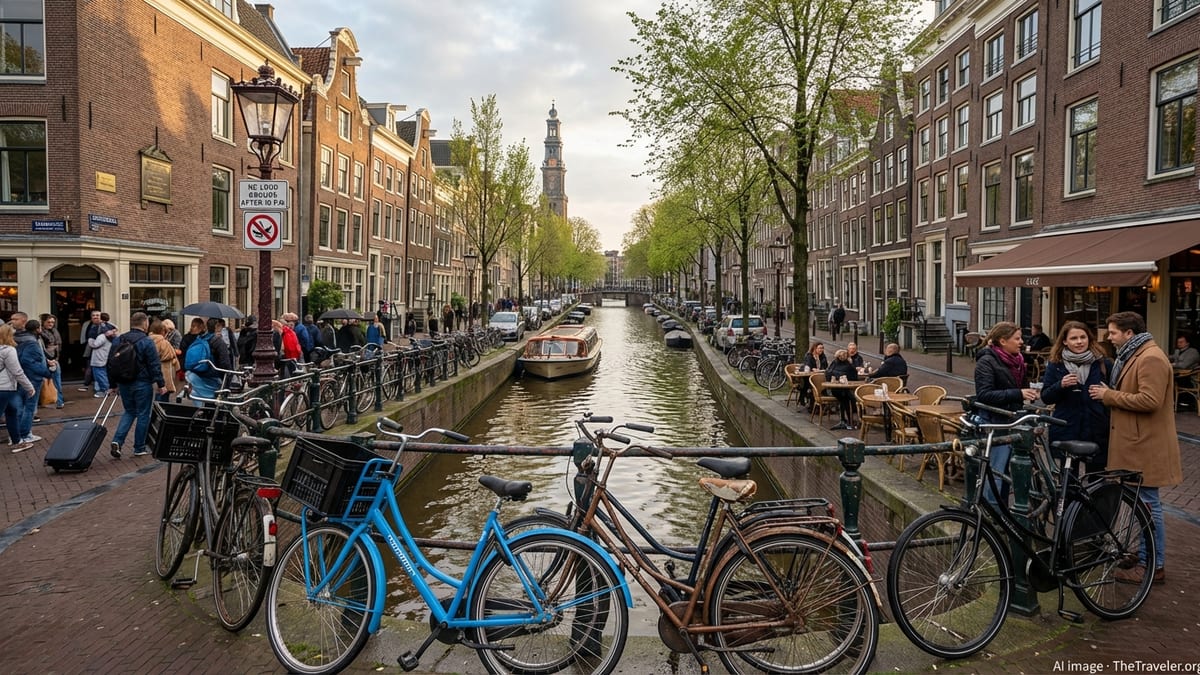
Shoulder Seasons Redraw Europe’s Tourism Map
Recent industry reports indicate that European travellers are increasingly choosing May, June, September and October over the traditional peak of July and August. Data from card providers and tourism bodies shows robust growth in autumn and late spring travel, with strong arrivals and overnight stays in 2024 and 2025 linked to these so-called shoulder months rather than the classic high summer window.
Analysts point to a combination of record heat, higher prices and overtourism protests in major cities as key drivers of this shift. Coverage across European and international outlets highlights that travellers are recalibrating expectations, placing greater value on cooler temperatures, cultural depth and availability of services instead of simply chasing peak-season beach weather. This has helped distribute demand more evenly throughout the year and opened space for lesser-known regions to capture attention.
Travel sentiment surveys for 2025 show a marked rise in interest in lesser-known destinations and off-season itineraries within Europe. Research from the European Travel Commission and private-sector travel studies notes that a growing share of respondents now selects destinations specifically because they host fewer tourists and can be visited outside the busiest weeks of summer. Northern Spain’s so-called Green Spain and quieter stretches of the Croatian coast have become leading beneficiaries of this trend.
As peak-season saturation in cities such as Barcelona, Venice and Dubrovnik becomes a symbol of what many travellers now want to avoid, regional tourism organizations are accelerating campaigns that promote shoulder-season escapes. These strategies are reshaping Europe’s tourism geography, shifting attention from a handful of saturated hubs to a broader mosaic of coastal provinces, historic towns and rural landscapes.
Green Spain Steps Into the Spotlight
The Atlantic-facing arc of northern Spain, widely marketed under the Green Spain brand, is emerging as a flagship destination for travellers seeking fresher air, forested hillsides and lower visitor densities. This Cantabrian coast spans Galicia, Asturias, Cantabria and the Basque Country, areas long known domestically for dramatic cliffs, surf beaches and mountain villages but historically overshadowed internationally by the sunbelt resorts of the Mediterranean.
New ecotourism products launched in 2025 are central to this repositioning. Publicly available information on the La Reserva Ecoturista corridor describes a network that links 25 protected natural areas across the four regions, promoting slow travel between biosphere reserves, national parks and coastal wetlands. The initiative is designed to channel visitor spending into rural communities while limiting environmental impact through small-scale experiences such as guided hikes, birdwatching, cycling routes and locally run guesthouses.
Studies of “green routes” across Galicia, Asturias, Cantabria and Euskadi between 2022 and 2025 highlight the potential of repurposed rail lines and rural trails as cultural and nature tourism backbones. These routes connect inland valleys with fishing ports, offering multi-day itineraries that combine local gastronomy, historic town centres and outdoor activities. By focusing on low-impact mobility and heritage conservation, they provide an alternative narrative to mass coastal resort development.
Shoulder-season conditions in northern Spain are another draw. Autumn and late spring along the Cantabrian coast typically bring mild temperatures, green landscapes and fewer domestic holidaymakers compared with August. Tourism trend reports note that these months now attract visitors motivated by hiking in the Picos de Europa, exploring coastal cities such as A Coruña and Gijón, or following cider and wine routes in Asturias and the Basque Country, all with a smaller environmental footprint per visitor than peak-period beach tourism further south.
Asturias and Cantabria: Micro‑Destinations for Slow Travel
Within Green Spain, Asturias and Cantabria are emerging as micro-destinations aligned with the new travel preferences. The latest regional analyses from organizations such as the OECD describe Asturias repositioning itself around outdoor recreation and sustainable tourism, leveraging its coastline, mountains and biosphere reserves as key assets. Cantabria, for its part, is heavily involved in the shared ecotourism corridor and other rural diversification initiatives.
Mountain areas close to Picos de Europa National Park, including passes such as San Glorio on the Cantabrian range, are drawing hikers and cyclists who prefer quieter trails and locally owned accommodations. Promotion materials highlight that these landscapes, once primarily the domain of domestic visitors, are now appearing more often in international travel inspiration lists, particularly for spring and autumn breaks that avoid snow but also sidestep summer heatwaves.
Along the coast, small fishing towns and historic ports are threading sustainability themes into tourism offers. Campaigns developed under the Green Spain umbrella emphasize traditional gastronomy built on locally sourced seafood and dairy products, as well as interpretations of maritime heritage and coastal conservation. For travellers, this translates into shoulder-season stays that blend food experiences with cliff walks, surf lessons and village festivals that are less crowded than high-summer events.
Infrastructure improvements also support this evolution. Upgraded regional airports, expanded rail connections and investment in greenways have made it easier for visitors to reach northern Spain without relying exclusively on private cars. European tourism reports underline that such connectivity, paired with environmental safeguards, is critical to ensuring that new demand for lesser-known regions does not simply reproduce the pressures seen in established hotspots.
Beyond Dubrovnik: Coastal Croatia’s Quiet Alternatives
Croatia remains one of the most visited countries in Southern Europe, but recent seasons have exposed the limits of growth in its most iconic destinations. Public reporting on tourism in Dubrovnik and parts of Dalmatia points to crowding concerns and regulatory responses after the post-pandemic surge. These dynamics are reinforcing a pivot towards shoulder-season travel and dispersal to less crowded coastal stretches.
Travel guides and regional tourism data identify Istria, the Kvarner Gulf and smaller Dalmatian towns as increasingly popular alternatives. Historic coastal centres such as Rovinj, Poreč, Šibenik and Zadar, along with nearby islands, offer similar combinations of stone-walled old towns, Adriatic views and heritage sites, but with more room to manage visitor flows outside the busiest summer weeks. Reports suggest that these areas are capturing a growing share of international arrivals in spring and early autumn.
Visitor accounts and industry commentary point to a noticeable increase in travellers using cities like Split as transportation hubs while spending more nights in surrounding villages and islands. Ferry-linked destinations in central Dalmatia and the Istrian hinterland’s hill towns are highlighted as examples of locations where travellers can find lower prices and less congestion in September and October compared with August.
National statistics released in late 2025 show that overall overnight stays in leading Croatian coastal counties continue to rise, but growth is increasingly spread over a longer season. While July and August remain dominant, gains in May, June and September are outpacing mid-summer in several counties, a pattern analysts link to both climate realities and traveller fatigue with overtourism in prime months.
Sustainability and Value Drive the New Renaissance
Across both northern Spain and coastal Croatia, sustainability has shifted from niche concept to core marketing pillar. OECD tourism reviews and European policy documents underline a regional push to curb seasonality, foster local value chains and protect natural assets. In practice, that means steering visitors toward ecotourism corridors, heritage routes and lesser-known towns, while encouraging travel outside the hottest and most crowded weeks.
Economic considerations are reinforcing these choices. Analyses of travel spending in 2024 and 2025 note that inflation and higher airfares have made traditional peak-season city breaks more expensive, leading many travellers to look for better value in shoulder months and secondary regions. Remote work arrangements and flexible school calendars in some markets are further enabling families and professionals to shift trips into late spring or early autumn.
For destinations, the emerging pattern offers both opportunity and responsibility. Regions such as Green Spain and coastal Croatia can capture new revenue streams and support rural communities by spreading arrivals more evenly across the year. At the same time, published guidance from tourism bodies stresses the importance of visitor caps in sensitive areas, investment in public transport and continued monitoring of environmental indicators to avoid repeating the cycle of overuse.
As Europe braces for another year of high global visitor demand, the rise of northern Spain and quieter corners of the Croatian coast illustrates how travellers are actively seeking out authenticity, cooler climates and sustainable experiences. The shoulder season, once seen as an off-peak compromise, is increasingly being reframed as the best time to discover the continent’s emerging coastal and mountain gems.