


More news on this day
Norwegian Cruise Line is facing renewed scrutiny over the quality of its onboard medical care after a Washington State parent filed a federal lawsuit alleging that a ship’s doctor misdiagnosed a child’s life-threatening appendicitis, allowing the condition to worsen until the appendix ruptured and caused lasting injuries.
Get the latest news straight to your inbox!
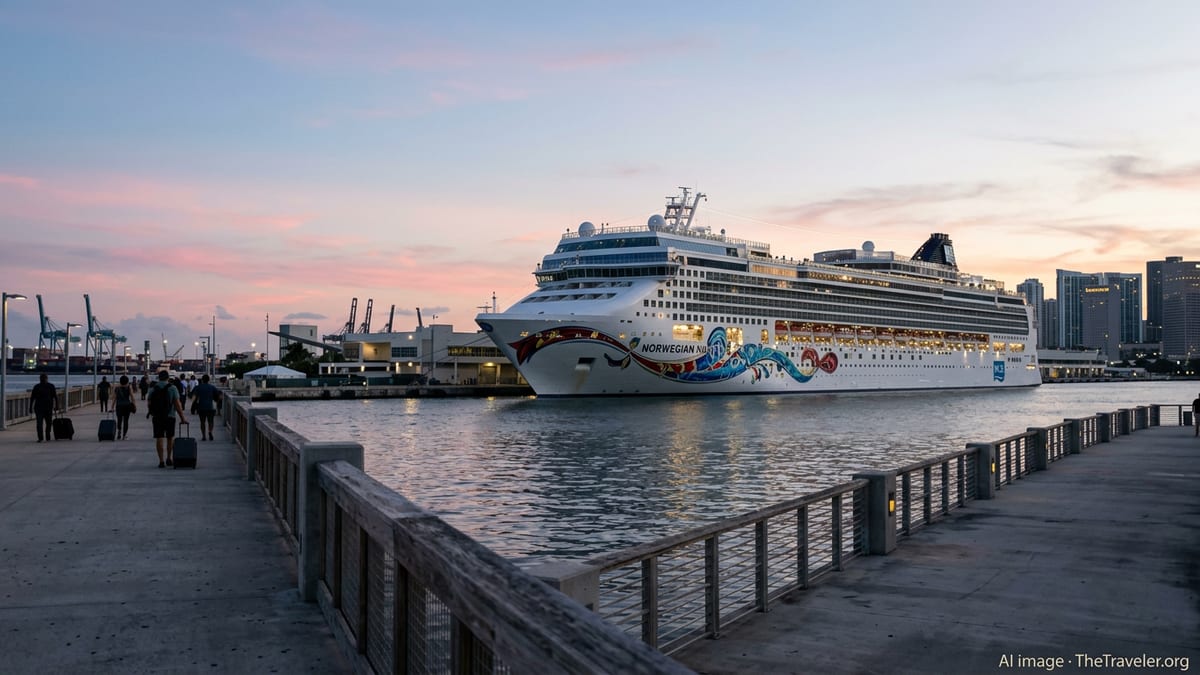
Allegations Center On Norwegian Aqua Medical Response
According to publicly available court filings and legal commentary, the case involves a minor passenger traveling with family aboard the new Norwegian Aqua on a Caribbean itinerary earlier this year. The complaint, filed in the United States District Court for the Southern District of Florida, claims that the child repeatedly sought help at the ship’s medical center while experiencing escalating abdominal pain, fever, nausea and other classic signs of appendicitis.
Instead of diagnosing and treating appendicitis, the lawsuit alleges, the onboard medical team attributed the symptoms to a less serious gastrointestinal illness and sent the child back to the cabin with conservative treatment. The filings state that the child’s condition continued to deteriorate over a period of days while still at sea, ultimately resulting in a ruptured appendix that required emergency surgery ashore.
The lawsuit contends that this sequence of events transformed a treatable emergency into a life-threatening situation. The complaint describes long-term physical complications and emotional trauma that the family links directly to what it characterizes as failures in diagnosis, monitoring and timely evacuation by the ship’s physician and nurses.
Legal summaries of the case indicate that the parent is seeking damages for medical malpractice, pain and suffering, future care needs and related losses, arguing that earlier and appropriate treatment onboard or an expedited evacuation could have prevented the rupture and reduced the risk of permanent injury.
Claims Of Inadequate Training And Emergency Protocols
Beyond the alleged misdiagnosis, the lawsuit raises broader questions about how major cruise operators staff and manage their medical centers. The complaint claims that the Norwegian Aqua’s medical personnel lacked recent hands-on emergency experience and specialized training needed to recognize and act on a rapidly progressing abdominal emergency in a child.
The filing asserts that the onboard team did not maintain or follow adequate triage protocols for pediatric passengers showing red flag symptoms, including worsening pain, persistent vomiting and fever. It also criticizes what it describes as a failure to order timely diagnostic tests or arrange urgent evacuation when the child did not improve with initial treatment.
These allegations echo long-running debates in maritime and travel circles about how closely cruise ship infirmaries resemble small emergency departments versus basic clinics. While some industry materials highlight compliance with guidelines developed alongside professional organizations, critics say that busy resort-style ships can still fall short when it comes to rapid recognition of rare but serious conditions.
Attorneys following the case have noted that appendicitis is one of the more common surgical emergencies in children and is usually highly treatable when identified early. The central question in this dispute is whether the shipboard team acted within reasonable standards of care for an at-sea environment or whether delays and misjudgments rose to the level of negligence.
Vicarious Liability And Cruise Industry Legal Exposure
The Norwegian Aqua lawsuit also focuses on the cruise line’s responsibility for its medical staff, an area of law that has shifted in recent years. Historically, many cruise companies argued they were not liable for doctor errors because shipboard physicians were treated as independent contractors.
Recent court decisions, however, have opened the door for passengers to seek vicarious liability, arguing that cruise lines present onboard doctors and nurses as part of the company’s own operation. Legal analyses of this new complaint indicate that the parent is relying in part on this apparent agency theory, asserting that Norwegian Cruise Line held its medical staff out as qualified company representatives and therefore should share responsibility for alleged malpractice.
If the case advances, it may add to a growing body of precedent defining how far a cruise line’s duty of care extends in medical emergencies, particularly involving children. Observers say outcomes in such cases can influence how companies recruit clinicians, advertise medical capabilities and structure consent language in ticket contracts.
Norwegian’s own ticket terms and policy documents highlight that shipboard medical care is limited and cannot be compared to a fully equipped shoreside hospital. At the same time, health and safety materials emphasize that each vessel carries qualified doctors and nurses and that onboard facilities are designed to handle emergencies until passengers can reach land-based hospitals.
Parent And Passenger Concerns About Medical Care At Sea
The allegations have heightened concern among families considering cruises with children who may be more vulnerable to sudden illnesses. Travel forums and consumer discussions often highlight uncertainty around how quickly serious conditions can be recognized and treated when the nearest hospital may be hours away.
Publicly available information from Norwegian Cruise Line and other major operators states that medical centers are staffed around the clock and equipped to stabilize urgent cases before coordinating evacuations. Policy documents also encourage travelers to disclose medical needs in advance and to purchase insurance that includes emergency evacuation and overseas treatment, citing the high cost of care in foreign ports.
For parents, the Norwegian Aqua case underscores the importance of understanding these limitations before boarding. Travel-health specialists often recommend that families monitor symptoms closely, seek prompt evaluation for severe or unusual pain, and advocate for re-assessment if a child’s condition worsens. In rare but serious situations, guests may also request consideration for early disembarkation or medical evacuation if they feel onboard care is not resolving an urgent problem.
While comprehensive statistics on misdiagnosed pediatric emergencies at sea are scarce, maritime and medical journals have documented the challenges that shipboard clinicians face in balancing limited diagnostic tools, variable case loads and the need to make rapid decisions without immediate access to full hospital resources.
Possible Implications For Cruise Safety Standards
The outcome of the lawsuit against Norwegian Cruise Line could have implications that extend beyond a single voyage or ship. If a court finds that medical care aboard the Norwegian Aqua fell below reasonable standards, legal commentators suggest it may prompt operators to re-examine their hiring criteria, continuing education requirements and emergency response algorithms for both adults and children.
Industry materials indicate that many large cruise brands already align their medical facilities with guidance developed with emergency medicine organizations. A high-profile case involving a child’s ruptured appendix may nevertheless lead to closer scrutiny of how those guidelines are implemented day to day, including thresholds for ordering imaging, criteria for calling for air evacuation and communication protocols with families when conditions evolve.
Consumer advocates are also watching whether the case influences how clearly cruise lines describe the scope and limits of onboard medical care in their marketing and ticket contracts. Greater transparency about available equipment, staffing levels and the costs of treatment and evacuation could become a growing expectation among travelers evaluating different operators and itineraries.
For now, Norwegian Cruise Line continues to promote health and safety messaging that emphasizes guest wellbeing and compliance with international standards at sea. As the lawsuit proceeds, families and the wider travel industry will be watching closely to see whether the case results in changes to onboard medical procedures, training or disclosure practices across the modern cruise sector.