


More news on this day
The U.S. State Department has issued a newly tightened travel warning for Jamaica, elevating the Caribbean nation’s risk level just as peak summer tourism reaches full swing and prompting many travelers to reconsider upcoming trips.
Get the latest news straight to your inbox!
Advisory Raised to Level 3 Amid Crime Concerns
Publicly available advisory information shows that Jamaica is now classified at Level 3, a status that urges travelers to reconsider travel due to heightened safety and security risks. The change, introduced in early July, reflects increased concern over violent crime, including incidents reported in and around major urban centers that are also gateways to popular beach resorts.
According to recent coverage drawing on the updated advisory, the revision highlights a rise in homicides, armed robberies and sexual assaults, some of which have occurred in areas frequented by visitors. Data cited in news reports indicates that crime rates in tourist zones such as Montego Bay and parts of Kingston have climbed notably in the first half of 2026 compared with the same period a year earlier.
The advisory notes that violent incidents can take place at any time of day and that local police resources may be stretched, particularly in densely populated neighborhoods. While many stays in established resort corridors remain uneventful, the new language underscores an elevated baseline of risk that travelers are being asked to weigh carefully before departure.
The Level 3 classification does not prohibit travel, but it signals that the security environment is serious enough that visitors may face limited assistance if they encounter trouble. For many travelers and travel providers, a move into Level 3 serves as a practical trigger to conduct a more detailed review of planned itineraries, accommodations and transportation options.
Impact on a Key Caribbean Tourism Hub
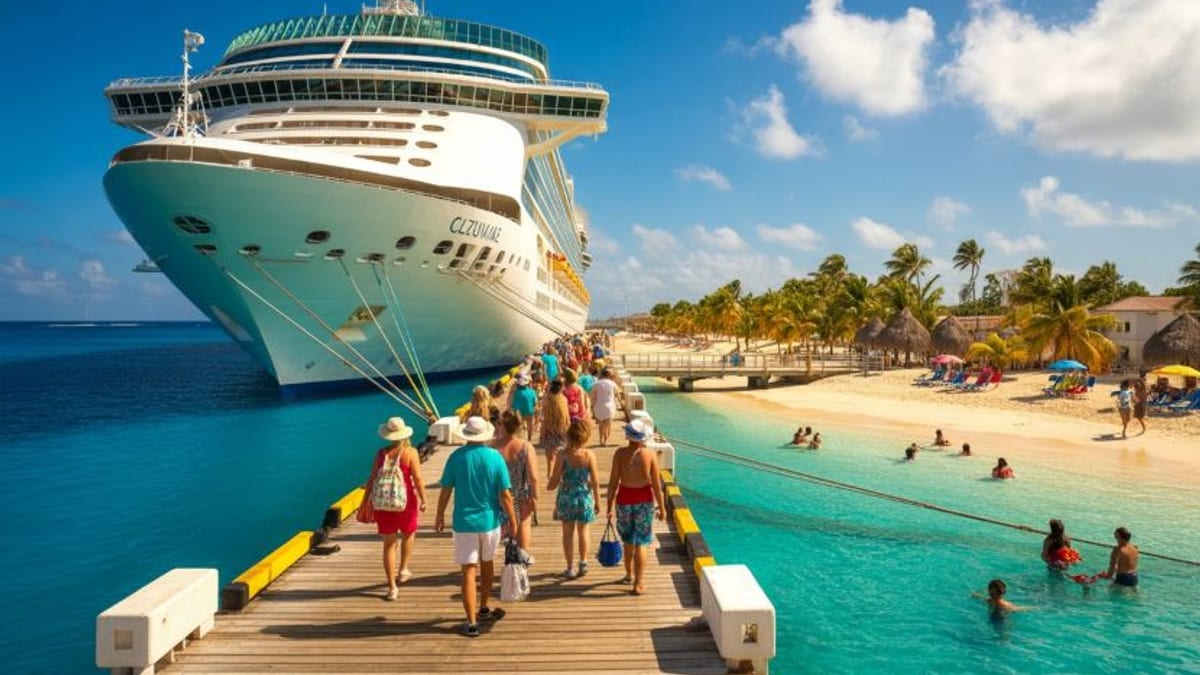
Jamaica has long been one of the Caribbean’s most visited islands, drawing millions of international arrivals each year to its all-inclusive resorts, cruise ship terminals and music festivals. The latest warning lands at a sensitive moment in the northern summer, when visitor numbers typically swell and tourism-dependent businesses expect some of their strongest revenues of the year.
Industry analysis referenced in recent coverage suggests that the advisory update could prompt a short-term slowdown in new bookings, particularly among first-time visitors and families weighing multiple sun-and-sea destinations. Some tour operators and travel agents are reportedly fielding a wave of questions from clients who are unsure how the new risk assessment should influence their plans.
At the same time, commentators point out that many experienced Caribbean travelers continue to visit destinations that carry Level 2 or Level 3 classifications by adjusting their behavior rather than cancelling outright. For Jamaica, that may translate into a greater emphasis on staying within established resort areas, pre-arranging airport transfers and avoiding late-night movements away from well-trafficked zones.
Local tourism stakeholders, according to regional media summaries, are publicly emphasizing the continued importance of the sector to Jamaica’s economy while acknowledging that safety perceptions play a decisive role in where travelers ultimately choose to spend their vacation budgets.
What the Advisory Recommends for Travelers
While the precise wording of the State Department notice is tailored to Jamaica’s current conditions, it aligns with broader guidance applied to destinations with significant crime or security concerns. Publicly available advisory text encourages visitors to remain vigilant in tourist areas, avoid walking alone at night and refrain from displaying signs of wealth such as expensive jewelry or electronics.
Travelers are urged to use only licensed and vetted transportation, particularly for airport transfers and intercity journeys. Reports also highlight recommendations to secure accommodations with strong access controls, such as gated properties or hotels with staffed reception around the clock, and to keep hotel room doors and windows locked even when occupied.
The advisory further recommends that U.S. citizens review their personal security plans, share itineraries with family or friends and ensure they have copies of important documents stored separately from passports and wallets. Travelers are also encouraged to monitor local news and government notices for any indication of protests, localized unrest or disruptions that could affect tourist zones.
In line with global best practices, the information available on the advisory pages continues to encourage enrollment in opt-in alert systems that provide destination-specific updates by email or mobile message, helping travelers respond quickly if the security picture shifts during their stay.
Insurance, Bookings and Fine Print
The step up to a Level 3 warning carries potential implications for travel insurance coverage and booking flexibility. Industry experts cited in recent travel reporting note that some comprehensive policies treat government advisories as a key factor when determining eligibility for trip cancellation or interruption benefits related to security events.
Travelers who booked packages or flights to Jamaica before the advisory changed may find that their options vary significantly depending on the provider. Some airlines and cruise lines periodically offer waivers or change-fee flexibility when a destination’s risk profile deteriorates, but such gestures are typically time-limited and subject to strict conditions.
Consumer advocates routinely recommend that travelers review the fine print of their policies and booking confirmations to see whether coverage is affected when a destination reaches Level 3. In cases where standard insurance proves insufficient, specialists sometimes suggest exploring “cancel for any reason” upgrades or higher levels of emergency medical and evacuation coverage, especially for itineraries that include independent touring outside major resort compounds.
Financial planners also point out that a higher advisory level could influence decisions about prepaying for nonrefundable excursions, wedding packages or group events scheduled on the island, with some travelers opting to delay final payments until closer to the departure date.
How Jamaica Fits Into the Broader Advisory Landscape
The change for Jamaica comes at a time when the State Department’s advisory map is already marked by a significant number of destinations at heightened risk levels due to conflict, crime, health issues or political instability. Publicly available data indicates that several countries are currently listed at Level 4, while others remain under regional security alerts or specialized cautions.
Travel analysis pieces published throughout 2026 describe a more dynamic advisory environment than in previous years, with frequent revisions reflecting shifting crime patterns, new public health information and regional tensions. Jamaica’s move to Level 3 is seen by some commentators as part of a wider trend in which even long-established holiday spots can see their classification change relatively quickly.
Security experts quoted across various outlets encourage travelers to treat the advisory system as one important input among many. Alongside official notices, they recommend consulting independent risk assessments, airline operations updates and local tourism board statements to build a fuller picture of on-the-ground realities.
For now, Jamaica remains open to visitors, and flights and cruises continue to operate. The raised advisory level, however, serves as a prominent signal that travelers heading to the island in the coming months should be prepared to take additional precautions, stay informed about evolving conditions and make contingency plans in case circumstances shift while they are abroad.