


More news on this day
Norwegian Cruise Line has quietly dropped a scheduled call at Aruba on select upcoming Caribbean itineraries, citing port availability constraints that have forced the line to reshuffle port calls and adjust schedules for booked guests.
Get the latest news straight to your inbox!
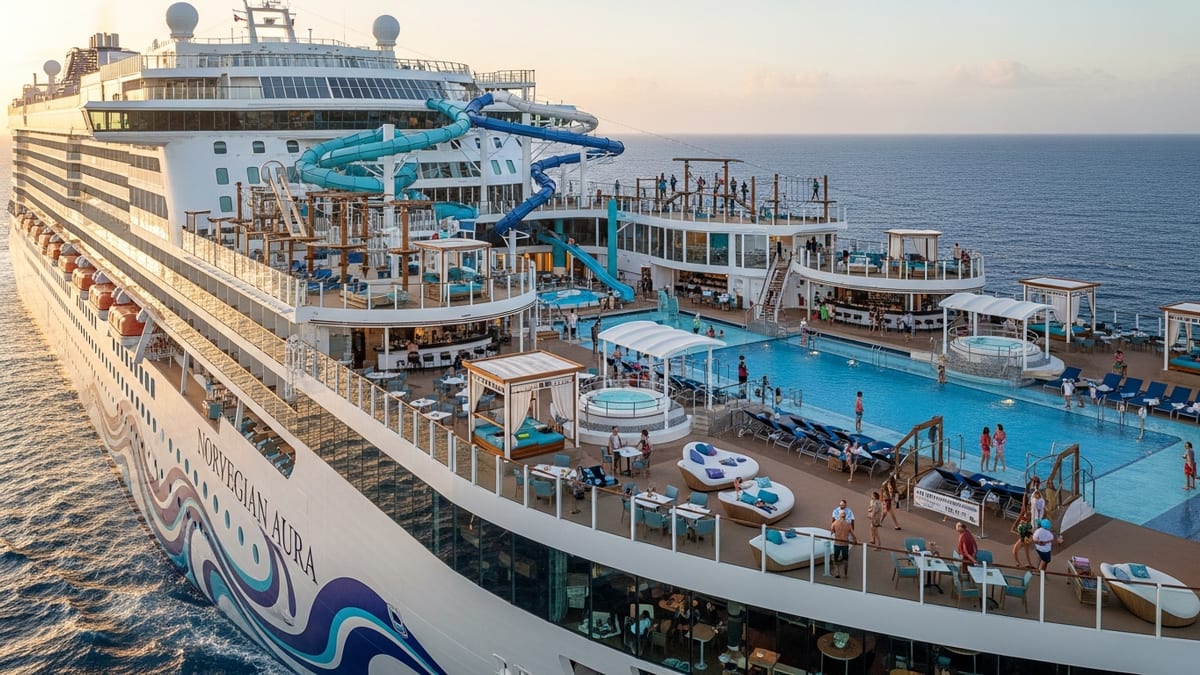
Aruba Call Removed Amid Capacity and Scheduling Constraints
According to published coverage and itinerary updates visible on booking platforms, at least one Norwegian Cruise Line vessel scheduled to visit Aruba in the coming seasons will instead spend additional time at sea or call at an alternative Caribbean port. The change is being attributed to port availability limitations in Oranjestad, where cruise berths are in high demand across the winter and shoulder seasons.
Publicly available information shows that Norwegian, like other major cruise brands, has been navigating a tight berth schedule at several popular Caribbean ports. In Aruba, a mix of strong regional demand, overlapping ship calls, and existing agreements with other lines can leave little flexibility for late adjustments or new deployments. When a ship’s operating plan changes, previously workable time slots can become unviable, prompting cruise lines to trim or switch calls.
Reports indicate that guests with affected itineraries have been notified of the removal of the Aruba stop, with revised schedules reflecting either a different island call or an extended day in another port already on the route. These sorts of adjustments are typically made months or even years ahead of sailing, but they can still disrupt carefully planned shore excursions and travel expectations for booked passengers.
While the specific ship and sailings involved have not been prominently highlighted in Norwegian’s public statements, itinerary tracking and cruise industry reports point to the change as part of a broader pattern of schedule optimization in the southern Caribbean, where small islands must balance cruise arrivals with local port operations and infrastructure constraints.
Port Availability Pressures Across the Caribbean
The dropped Aruba call comes at a time when Norwegian Cruise Line is already revising deployments elsewhere in the region due to port availability and scheduling issues. Recent coverage has detailed how Norwegian Viva’s planned San Juan program for late 2027 and much of 2028 was canceled after the line cited changing port availability, with the ship instead redeployed to Miami for alternative Caribbean sailings. Industry observers view that move as part of a wider recalibration of where and when ships can reliably secure port slots.
Aruba, Bonaire, and Curaçao sit along some of the most popular southern Caribbean routes, and cruise traffic has increased steadily in recent years. Port authorities work within finite pier space and infrastructure limits, especially on peak days when several large ships may be scheduled to arrive. When operational constraints arise, cruise lines may find it more efficient to consolidate calls or redirect vessels to larger homeports and alternative islands where berth assignments are more predictable.
Published analyses of cruise deployment trends suggest that lines are increasingly prioritizing ports that can accommodate the latest generation of larger vessels while offering favorable turn times and fewer congestion bottlenecks. For Norwegian, that has meant leaning further into Florida homeports such as Miami for its newer ships, even if that requires adjusting or dropping some classic island calls.
These shifts do not necessarily signal a long term retreat from destinations like Aruba, but they do underline how sensitive itineraries can be to dock-side logistics. Small changes in port infrastructure projects, competing calls, or local policy can have ripple effects on multi-year deployment plans and occasionally result in specific ports being removed from a schedule.
Impact on Booked Guests and Itinerary Expectations
For travelers, the removal of a marquee port like Aruba can be a significant disappointment, especially when the island was a deciding factor in choosing a particular cruise. Some guests plan multi-stop Caribbean vacations around a single standout destination, and losing that call may prompt them to reconsider their trip or request modifications where possible.
Cruise industry guidance generally notes that itineraries are not guaranteed and may change for reasons ranging from weather and mechanical issues to port congestion and availability. Norwegian’s ticket contracts and those of its competitors typically allow for adjustments without requiring full fare refunds, although most lines offer automatic refunds for ship-sponsored excursions that cannot operate due to a missed or substituted port.
Travel publications point out that Norwegian is among the cruise lines that ordinarily refund port taxes and fees when a scheduled call is entirely skipped without a replacement. In practice, this means affected guests can expect some monetary adjustments, even if the overall cruise length remains the same and the replacement experience is at sea or in another port.
Advisers commonly recommend that travelers who have built their vacation plans around a specific port monitor their bookings closely for schedule changes and remain flexible about alternate excursions. When an island like Aruba is removed from the lineup, there may be opportunities to explore a less familiar destination added in its place, or to rebook onto a different sailing that still includes the desired port.
What the Change Signals for Southern Caribbean Routes
The decision to drop an Aruba call due to availability issues highlights the increasing complexity of itinerary planning in the southern Caribbean. As ships grow larger and more lines compete for attractive routes, securing predictable, on-time access to smaller island ports is becoming more challenging, especially during peak seasons when berth calendars fill up quickly.
Cruise analysts note that lines are responding to these pressures by consolidating operations at major hubs and fine tuning regional schedules years in advance. Port availability, once a largely behind the scenes concern, now appears more frequently in official notices and guest communications when deployments are altered or canceled.
For destinations like Aruba that rely heavily on cruise tourism, these developments may encourage further investment in pier expansion, traffic management, and coordination with cruise planners. For Norwegian and its guests, however, the immediate effect is more tangible: certain itineraries that once combined multiple southern Caribbean favorites will instead distribute calls differently, with some islands seeing fewer visits on specific ships and dates.
Travelers considering a future Norwegian cruise that lists Aruba or other southern Caribbean stops are likely to continue seeing the island featured across a variety of sailings. At the same time, the latest adjustment serves as a reminder that port availability is a moving target, and that even well established routes remain subject to change as cruise lines react to capacity, infrastructure, and competitive dynamics throughout the region.