


More news on this day
Dutch rail operator NS is preparing a new generation of cross-border intercity services between Amsterdam and western Germany from the 2028 timetable year, aiming to boost rail links between the Randstad and the Rhine-Ruhr region with faster Dutch trains and more frequent departures.
Get the latest news straight to your inbox!
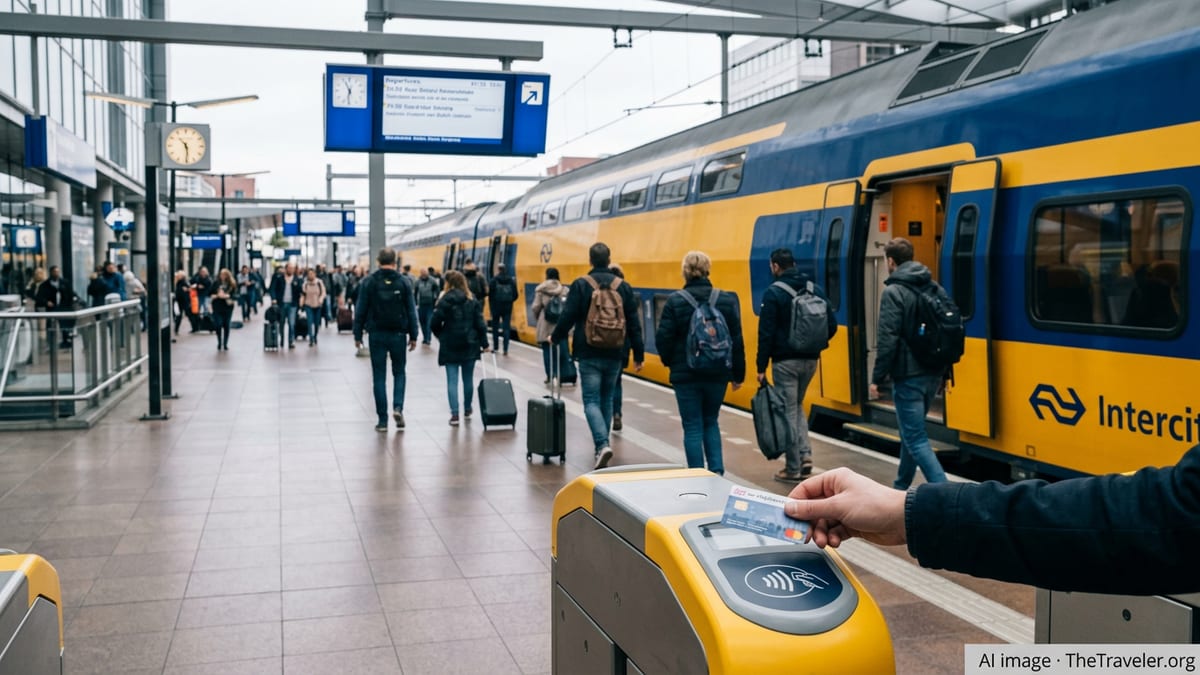
Hourly daytime link between Amsterdam and the Rhine-Ruhr region
Publicly available filings and recent coverage indicate that NS International has notified regulators of plans for a new passenger service from Amsterdam Centraal to a still-to-be-confirmed destination in Germany’s Rhine-Ruhr region, via Zevenaar at the Dutch-German border. The intended start falls within the 2028 timetable year, which begins in December 2027, aligning the launch with a broader timetable change.
The proposal centres on up to six intercity trains per day in each direction between Amsterdam and a major city in North Rhine-Westphalia, with options including Cologne, Düsseldorf or Dortmund. Reports describe a pattern in which three train pairs would be introduced first, before ramping up to six daily as capacity and demand allow.
Timetable outlines circulating in the rail sector suggest that departures from Amsterdam would be scheduled between existing ICE services to Germany. That pattern would effectively create an hourly daytime connection from the Dutch capital toward the Rhine-Ruhr region when combined with current Deutsche Bahn high speed services.
Intermediate stops on the Dutch side are expected to include Utrecht Centraal and Arnhem, strengthening these hubs as key interchange points for domestic and international connections. Exact stopping patterns on the German side are still being examined and are likely to depend on infrastructure capacity and coordination with Deutsche Bahn.
New Dutch intercity trains set to underpin the service
The planned Amsterdam to Germany link is designed around new-generation Dutch rolling stock rather than additional German ICE sets. Sector reports point to the Intercity Nieuwe Generatie family and other forthcoming NS intercity fleets as the backbone of the route, reflecting an emphasis on using Dutch-operated trains across the border.
These trains are being delivered for 200 km/h operation and are progressively entering service on high traffic domestic and existing international routes. Public material on the train family highlights features such as modern interiors, improved energy efficiency and better acceleration, all of which are relevant for schedules that combine dense Dutch corridors with cross-border running.
NS has also ordered new intercity double deck trains and additional commuter units for the next decade, some of them explicitly prepared or adaptable for future cross-border deployment. Industry commentary notes that this larger fleet renewal gives the operator more flexibility to assign suitable stock to international services without compromising capacity on busy domestic lines.
The move away from solely relying on locomotive-hauled sets for cross-border daytime links follows broader European trends, where electric multiple units tailored to specific corridors are increasingly common. For passengers, this usually means step-free boarding on more platforms, upgraded onboard information systems and improved comfort on journeys that can exceed three hours.
Regulatory notification and infrastructure coordination
The latest indication that the project is moving forward came through a notification to the Dutch Authority for Consumers and Markets, which oversees open access and competition concerns on the rail network. The filing describes a cooperative arrangement between NS International and Deutsche Bahn for the new intercity service, including its broad route, frequency and intended start year.
Such notifications are a standard step in the European rail market whenever new international services might intersect with existing public service contracts or competing open access operators. The authority will assess whether the proposed Amsterdam to Rhine-Ruhr trains primarily serve cross-border travel rather than duplicating subsidised domestic services.
In parallel, Dutch infrastructure manager ProRail and its German counterparts are working on a series of capacity and speed upgrades on key corridors that will be crucial for the new service. On the Dutch side, ongoing high-frequency rail programmes around Amsterdam and Utrecht are intended to allow more intercity and regional trains per hour on already busy tracks.
On the German side of the border, planned works between Zevenaar and major hubs in North Rhine-Westphalia, including the construction and renewal of tracks, are expected to influence the final timetable, journey times and choice of terminal station for the new Dutch-operated trains.
Competition and complementarity with existing cross-border routes
The proposed Amsterdam to Rhine-Ruhr intercity service will enter a corridor that already sees activity from German ICE trains and a small but growing number of open access competitors. Sector coverage portrays the NS initiative as both complementary to existing high speed services and a response to rising demand for direct rail connections between the Netherlands and western Germany.
By positioning departures between current ICE slots, the new trains are meant to improve the overall product without displacing existing services. Travellers from Amsterdam, Utrecht and Arnhem would gain more options throughout the day, particularly for journeys that do not require the highest speed but benefit from additional frequencies and direct links to intermediate German cities.
The move also comes at a time when new private operators have begun testing international routes between Amsterdam and German cities, experimenting with pricing and schedules. The entry of Dutch-operated intercity units into the same market segment could influence competition dynamics, especially if NS and Deutsche Bahn are able to offer integrated ticketing and reliable connections beyond the Rhine-Ruhr region.
Observers note that the balance between cooperation and competition will be closely watched, as European rail policy encourages both the opening of markets and the preservation of coherent, passenger friendly timetables on shared cross-border corridors.
Implications for travellers and climate goals
The planned introduction of Dutch intercity trains between Amsterdam and Germany fits into broader national and European objectives to shift more medium distance travel from air and road to rail. Policy documents and sector analyses frequently highlight the dense travel flows between the Randstad conurbation and western Germany as a key opportunity for climate friendly transport.
If implemented as described, the new trains could shorten total journey times on some city pairs, particularly where travellers currently rely on connections or slower regional services. More importantly, an hourly pattern of daytime departures in combination with ICE services would make it easier for passengers to plan flexible trips without long waits between trains.
Improved comfort, increased seat capacity and reliable cross-border operations are also seen as crucial factors in attracting business travellers and tourists who might otherwise choose short haul flights or long distance driving. For destinations in North Rhine-Westphalia that are not directly served by existing Dutch operated international trains, the new link could provide more convenient access to and from the Netherlands.
While the project remains subject to regulatory review, infrastructure works and final timetable design, the emerging picture is of a more integrated Dutch German rail market from the late 2020s onward, with Dutch intercity trains taking a larger role beyond the country’s borders.