


Ask people what surprised them most about Copenhagen and you will hear the same refrains: the price of a coffee, the speed of the cyclists, the wind off the water, and the feeling that everything works yet nothing is quite like home. Copenhagen is one of Europe’s most liveable cities and one of its most misunderstood by first-time visitors. Knowing a few local realities before you land at Kastrup can save you money, stress, and a couple of rookie mistakes.
Get the latest updates straight to your inbox!
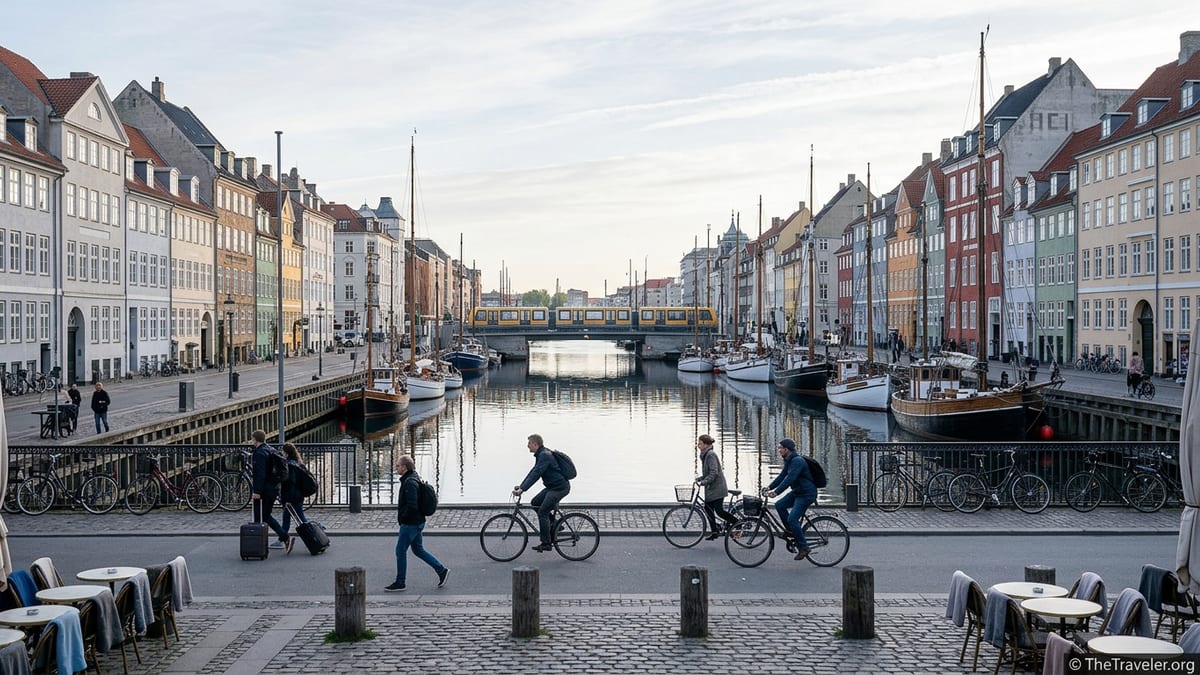
Arriving: The Airport Is Close, But Not Always Cheap
Copenhagen Airport (Kastrup) sits so close to the city that you can be checking into a hotel near Rådhuspladsen within 20 to 30 minutes of clearing passport control. What surprises many visitors is not the distance but how the ticket system works. The airport is in zone 4 of the Greater Copenhagen transport network. To reach central stations like Kongens Nytorv or Copenhagen Central you need a 3-zone ticket, which currently runs at around 30 Danish kroner for a single adult journey and is valid on both the metro and regional trains.
The easiest option for most arrivals is the driverless M2 metro, which runs every few minutes from the airport directly to key stops in the city center. You buy tickets from large red or grey vending machines in Terminal 3 and on the station concourse. They accept major debit and credit cards, and there is a “city center” 3-zone preset so you do not have to understand the whole zone diagram while jet-lagged. Inspectors board frequently, especially on the airport stretch, so traveling without a valid ticket is a poor gamble that can result in an on-the-spot fine that is many times the cost of the ride.
Frequent travelers or anyone staying several days are often better off with a 24 or 72-hour City Pass covering zones 1 to 4. This pass includes unlimited metro, bus, and S-train travel between the airport and the city over a fixed time period, which quickly pays off if you are using public transport several times a day to sightsee in different neighborhoods.
Taxis are regulated and metered, and the ride from the airport to most central addresses typically lands in the 250 to 400 kroner range depending on traffic and time of day. That can be good value for groups with luggage, but solo travelers and couples almost always save by taking the metro or train unless they arrive extremely late at night or have mobility issues.
Costs & Cards: Copenhagen Is Expensive, But Predictable
Sticker shock is the most common complaint from people who arrive in Copenhagen unprepared. A simple cappuccino in a central cafe often runs 40 to 50 kroner, a sit-down lunch easily tops 130 to 200 kroner, and a beer at a neighborhood bar can be 50 to 70 kroner. The upside is that prices are consistent and tipping is limited. Service is included, and locals usually round up or add a small amount for excellent service rather than a percentage-based tip.
For visitors planning to pack several paid attractions into each day, one of the most useful tools is the official city sightseeing pass, the Copenhagen Card. As of mid-2026, the Discover version bundles unlimited public transport in the wider capital region with free entry to more than 80 attractions. The 24-hour adult card costs roughly the equivalent of a couple of major museum tickets plus a day of transit, while popular longer options like the 72-hour card are priced so that anyone doing three or more paid sights per day will normally come out ahead compared with individual tickets.
To see how this works in practice, imagine a single day in July where you take the canal tour from Nyhavn, visit Tivoli Gardens in the afternoon, and spend the late day at the National Museum and Design Museum Denmark, with metro rides between them. Bought separately, those four core experiences plus transport quickly add up to more than the daily cost of a multi-day Copenhagen Card, especially once you factor in the airport journey and the odd stray bus ride when the rain starts. For slower travelers who plan more park time and fewer paid entries, a City Pass plus individual museum tickets may be more cost-effective.
Currency also catches people out. Denmark uses the Danish krone, not the euro, and while you can often pay with euros in highly touristic places, the exchange rate will be poor. Almost everywhere accepts cards and mobile payments. It is entirely possible to spend several days in Copenhagen without withdrawing cash. That said, it is sensible to have a small amount of kroner for occasional coin lockers, public toilets in older stations, or independent bakeries that still prefer local cards and cash.
Getting Around: Bikes, Buses, and the Metro Culture Shock
Visitors expect bikes in Copenhagen, but few are prepared for how the cycling culture actually works. Bike lanes function like miniature highways with their own traffic lights, rules, and unwritten etiquette. Locals commute at speed, ride year-round, and assume that everyone in the lane knows what they are doing. The biggest mistake first-timers make is treating the bike lane like a sidewalk. Stepping into it without looking can result in a near miss with a cyclist who has the light and right of way. Before crossing any street, check for bikes in both directions as carefully as you check for cars.
Renting a bike is still one of the best ways to experience the city, but it pays to start in quieter neighborhoods and on routes with wide, separated lanes. Many hotels lend simple city bikes, while specialized rental shops offer sturdier models with cargo boxes or child seats. A realistic use case for a visiting couple might be a half-day rental to explore the string of lakes and the leafy streets of Østerbro, where traffic feels calmer than around Nørreport at rush hour. Helmets are optional but recommended, especially if you are not used to dense bike traffic.
Public transport is integrated, which means the same ticket covers metro, S-trains, and buses within the zones you have paid for. A typical 2-zone single ticket valid across central Copenhagen costs around 24 kroner and is valid for a set period of time, usually enough to include changes and a short wait. That means you can ride the metro from Nørreport to Christianshavn, change to a bus out to Refshaleøen for the food halls, and not worry about separate fares as long as you complete the journey within your ticket’s validity window.
Ride-hailing services familiar in other cities are limited here. Denmark’s regulations pushed out major platforms, so you should not count on summoning an Uber from Nyhavn at midnight. Traditional taxis are available at marked ranks and can be called through local apps or hotel receptions. Many visitors find they barely need them once they understand the metro and bus network, especially because metro lines run 24 hours on weekends and late into the night on weekdays.
Weather, Seasons, and What “Hygge” Actually Feels Like
Copenhagen’s climate surprises many people who picture only bright summer canal shots. In reality, the city spends much of the year in a temperate, maritime mood. Winters are dark, damp, and windy rather than reliably snowy. A January afternoon can hang around freezing with sleet and a sharp breeze off the harbor. Even in May and September, daytime temperatures can swing between cool and mild, and rain showers blow through quickly.
Packing with layers is more important here than chasing a perfect forecast. Locals wear windproof shells and scarves almost year-round, switching from wool to cotton depending on the season. If you arrive in March with only a light fashion coat and sneakers, a walk across the bridges from Nyhavn to Christianshavn can feel much colder than the forecasted temperature suggests. In summer, light jackets or sweaters are still worth bringing for evenings on the water or outdoor dinners in the Meatpacking District when the wind picks up.
Season also shapes the city’s rhythm. June through August bring long daylight hours, outdoor swimming at harbor baths, and crowded canal tours. In late June, it is still light well after 10 p.m., which makes evening strolls along the lakes or in the gardens of Frederiksberg a particular pleasure. November through February are quiet, especially after the Christmas markets shut down, but prices on accommodation and flights are often lower. Many repeat visitors come in December specifically for Tivoli’s winter lights and the candlelit mood in cafes, accepting that they will spend more time indoors than out.
This is where “hygge” makes sense in practice. It is less about candles and design magazines, more about how people respond to the climate. You will see groups lingering in warmly lit basement bars in Vesterbro, students wrapped in blankets in courtyard cafes, and families crowding into glass-roofed greenhouses at the Botanical Garden on rainy Sundays. If you pack with this in mind and plan more indoor culture in the darker months, you are far less likely to feel that the weather has spoiled your trip.
Neighborhoods: Beyond Nyhavn and The Little Mermaid
Most first-time visitors spend their first day in the triangle between Tivoli Gardens, Nyhavn, and the Little Mermaid statue. It is entirely possible to enjoy that circuit yet leave Copenhagen with a skewed impression of the city as a collection of crowds and souvenir stands. The real character lives in the surrounding districts, each with its own energy and price level.
Vesterbro, just beyond Copenhagen Central Station, used to be gritty and is now filled with natural wine bars, small galleries, and one of the city’s best collections of casual restaurants in the former Meatpacking District. Here you can have a plate of modern Nordic small dishes at a lively bistro, then walk three minutes to a late-night craft beer bar in a converted warehouse. Room rates at hotels a few blocks from the station are often lower than those in the canalside historic core, and you are still walking distance from Tivoli.
Nørrebro, north of the lakes, is younger and more diverse. Streets like Jægersborggade and Blågårdsgade are lined with independent bakeries, plant shops, and relaxed bars. A typical afternoon might start with a cardamom bun and coffee at a neighborhood bakery, continue with secondhand browsing, and end with a shared mezze dinner at a modern Middle Eastern restaurant. Prices for food and drink are a touch lower than in the heart of Indre By, and you gain a sense of local everyday life that Nyhavn cannot provide.
Across the harbor, Christianshavn and the independent enclave of Christiania offer a very different, waterside feel with canals, houseboats, and low-rise houses. Renting a bike or simply walking from Christianshavn metro, you can combine a climb up the spiral tower of Our Saviour’s Church with a wander along canals where people sit with takeaway coffee on the edge of the water. These neighborhoods are still connected by frequent metro services, yet they feel a world away from the clusters around Strøget’s shopping streets.
Culture, Manners, and Everyday Quirks
Danish social norms can feel reserved compared with Mediterranean Europe or North America. Strangers rarely make small talk on public transport, and people generally respect personal space. This does not mean locals are unfriendly. Ask for help with directions at a bakery counter or on a quiet sidewalk and most Copenhageners will go out of their way to explain, sometimes pulling out their phone to show you the route on a journey planner. What they tend to dislike are loud conversations on buses or blocking busy bike lanes and sidewalks.
Punctuality matters. If you have booked a table at a restaurant in the Meatpacking District for 7 p.m., the staff will expect you within a small margin of that time. Similarly, guided tours and canal boats depart on time even in the rain. Arrive ten minutes late for a harbor tour from Nyhavn and you may watch it glide away without you. Buying tickets in advance is increasingly common for popular attractions such as the crown jewels at Rosenborg Castle or special exhibitions at major museums, especially on weekends and during school holidays.
In restaurants, self-service elements can surprise visitors. At many casual spots you order at the counter, find your own table, and may be expected to return glasses and trays when you are finished. Tap water is safe and good, and it is acceptable to ask for it instead of bottled water in most places. Alcohol laws are liberal compared with some countries, but there is also a strong social norm against public drunkenness in family areas and on public transport, particularly earlier in the evening.
One final quirk worth understanding: many Copenhagen businesses, from independent cafes to fashion boutiques, operate limited hours compared with large cities farther south. A design shop in Vesterbro might open at 11 a.m. and close at 6 p.m., and many smaller stores shut by mid-afternoon on Saturdays. Planning your shopping and sightseeing around these hours, rather than assuming everything will be open late, helps avoid disappointment.
Planning, Bookings, and Avoiding Common Mistakes
Many issues visitors encounter in Copenhagen come down to timing. Arriving in July without hotel reservations and expecting budget options near Nyhavn is one of them. Summer weekends, major conventions, and big cultural events can quickly fill central rooms, pushing last-minute travelers to the suburbs or into higher price brackets than they expected. Booking accommodation a few weeks in advance is wise in high season, and those on tighter budgets will usually find better value in areas like Østerbro, Amager, or Valby, which are still within a 10 to 20-minute metro or S-train ride of the historic core.
Another common oversight is underestimating the value of travel passes on intensive sightseeing days. Buying repeated single tickets because the zone system looks confusing can easily double your daily transport spend compared with a straightforward day pass covering all central zones. A typical scenario: a family staying near Nørreport rides out to the zoo in Frederiksberg in the morning, hops back in for a canal tour, heads up to the Little Mermaid, and returns to their hotel. On single tickets, those changes stack up quickly. With a 24-hour pass, they barely think about it.
At attractions, advance booking is increasingly important. Popular restaurants that appear constantly in international guides, including several in the former Meatpacking District and along the harbor, often book out days or weeks ahead, as do some of the city’s modern pastry shops with limited seating. When it comes to museums and sights, timed-entry is slowly expanding. It is worth checking opening hours and reservation policies on official channels while planning your days instead of assuming you can drop by at any hour.
Finally, Copenhagen rewards unstructured time. Building in space for a slow lap around the lakes, an afternoon people-watching in Assistens Cemetery in Nørrebro, or a drink on the harborside steps near Ofelia Plads lets you experience how locals actually use the city. Visitors who schedule every hour and race between must-see spots often report feeling exhausted and oddly disconnected from the calm, orderly lifestyle that defines the Danish capital.
FAQ
Q1. Is Copenhagen walkable for most visitors?
Copenhagen’s center is compact and very walkable, with many major sights like Tivoli, Nyhavn, and Christiansborg within 20 to 30 minutes of each other on foot. Good shoes are essential, and most visitors combine walking with bikes or public transport for longer hops.
Q2. How expensive is Copenhagen compared with other European capitals?
Copenhagen is among the pricier capitals in Europe. Everyday items such as coffee, beer, and casual meals often cost more than in cities like Berlin or Madrid, though prices are usually consistent and service is included, so you do not need to add large tips.
Q3. Do I need cash, or can I rely on cards and mobile payments?
Most visitors get by entirely with cards and mobile payments. International debit and credit cards are widely accepted in shops, restaurants, and on ticket machines. Having a small amount of Danish kroner is still useful for occasional small vendors or older facilities.
Q4. Is it worth buying a Copenhagen Card?
The Copenhagen Card can be good value if you plan to visit several paid attractions per day and use public transport frequently, including the airport connection. Travelers who prefer slow wandering and parks may find a simple transport pass and a few individual tickets more economical.
Q5. How safe is Copenhagen, especially at night?
Copenhagen generally feels safe, with relatively low levels of violent crime. Normal urban precautions apply, particularly around late-night bars or very crowded events, but most visitors comfortably walk or bike in the evening in central neighborhoods.
Q6. Can beginners safely cycle in Copenhagen?
Yes, but it takes adjustment. The bike lanes are busy and fast at rush hour. Beginners should start on quieter streets or at off-peak times, follow signals carefully, and watch how locals signal turns and stops before venturing into the thickest traffic.
Q7. When is the best time of year to visit?
Summer offers long days, outdoor swimming, and lively street life, but also higher prices and more crowds. Spring and early autumn are cooler yet pleasant, with fewer visitors. Winter is dark and quiet aside from the festive period, but can be atmospheric for those who enjoy indoor culture.
Q8. Is English widely spoken in Copenhagen?
Yes. Most people working in hotels, restaurants, shops, and transport speak fluent English, and many are happy to switch languages. Learning a few basic Danish phrases is appreciated but not necessary for getting around.
Q9. How many days do I need to see the main sights?
A well-planned two to three-day stay is enough to cover headline sights such as Nyhavn, Tivoli, a canal tour, and a couple of major museums, plus a glimpse of one or two neighborhoods. Four or five days allows a more relaxed pace and day trips along the coast.
Q10. Are there any customs or behaviors that visitors should avoid?
Visitors should avoid walking or standing in bike lanes, speaking loudly on quiet public transport, and arriving late for reservations or tours. Respecting personal space and basic queue etiquette goes a long way in fitting in with local norms.