


More news on this day
Ocean Springs firefighters in coastal Mississippi have taken part in specialized training with CSX, working through realistic rail emergency scenarios designed to sharpen their response to derailments, hazardous materials releases and complex rescues along one of the Gulf Coast’s busiest freight corridors.
Get the latest news straight to your inbox!
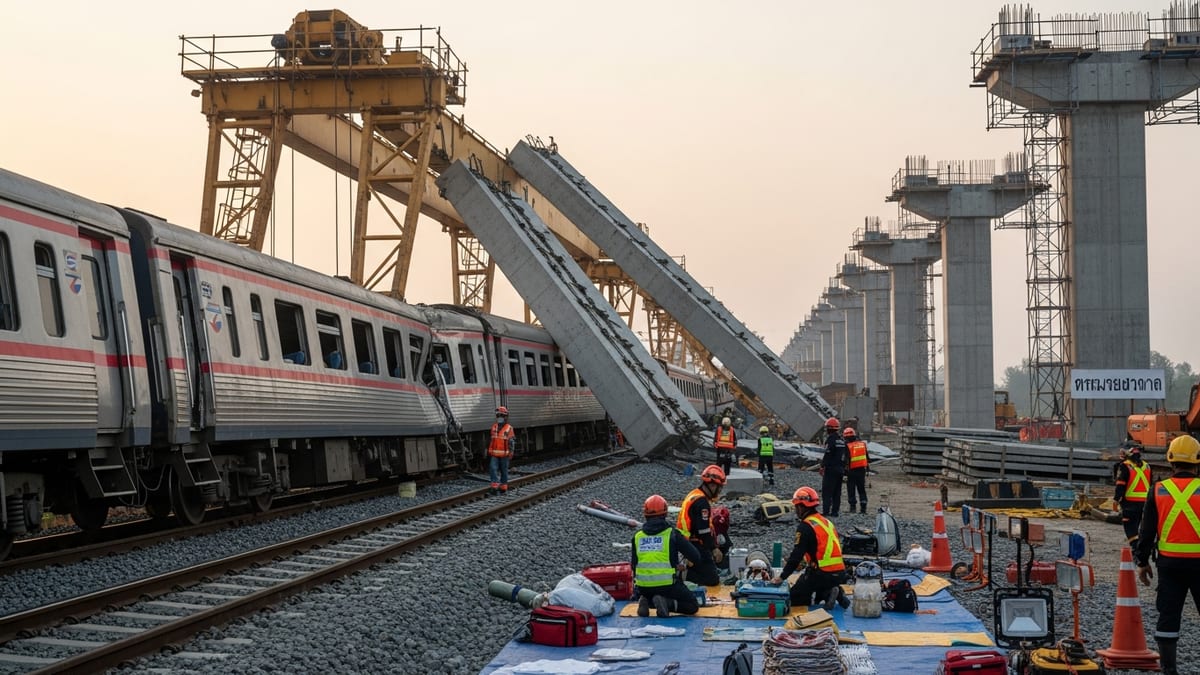
Joint training focuses on real-world rail risks
The latest exercises brought Ocean Springs Fire Department personnel together with CSX instructors to practice coordinated responses to rail incidents, from tank car leaks to collisions at crossings. Publicly available information indicates that the program emphasizes step-by-step decision making under pressure, including scene size-up, rail traffic awareness and communications with railroad operations centers.
Training scenarios typically simulate derailments, blocked crossings and hazardous materials situations that could affect nearby neighborhoods and roadways. Participants review rail car markings, placards and train consist information so they can quickly identify what is on board, where the greatest risks lie and how best to stage equipment and personnel.
The drills reflect growing regional attention to rail safety along the Mississippi Gulf Coast, where freight lines carry a mix of industrial products, fuels and consumer goods between ports, petrochemical hubs and inland distribution centers. Local responders are being asked to adapt to heavier and more complex train traffic while still maintaining rapid service for everyday fires and medical calls.
For Ocean Springs firefighters, the hands-on work alongside rail specialists offers an opportunity to translate textbook procedures into field decisions, using the same tank cars, valves and emergency cutoffs they would encounter in an actual incident.
Inside CSX’s expanding emergency preparedness push
CSX has reported that thousands of first responders across its network take part in rail safety and hazardous materials courses each year, including mobile training visits and sessions at fixed facilities. The company has highlighted a mix of classroom instruction and practical evolution-based exercises using railcars and simulators to help firefighters and hazmat teams understand how trains are put together and how products are moved.
Recent corporate materials describe an expanded focus on hazardous materials instruction, including the opening of a dedicated Hazardous Materials Training Institute in Florida. That facility and related programs are designed to give emergency responders access to full-scale rail equipment, controlled leak simulations and drills involving protective gear, foam lines and coordinated incident command.
Community training initiatives typically cover tank car construction, pressure relief devices, dome fittings and the behavior of common rail-borne chemicals under heat or impact. Ocean Springs personnel participating in the latest joint training are tapping into this wider network of expertise, aligning local procedures with national railroad standards for incident stabilization and public protection.
CSX materials also stress pre-incident planning with local agencies, from mapping critical crossings to sharing contact information and response protocols. Sessions with fire departments often include tabletop walk-throughs of worst-case events, giving crews a chance to practice communication and coordination before an actual alarm.
Ocean Springs strengthens its all-hazards capabilities
Ocean Springs has been investing in public safety capacity, including firefighter training and technology upgrades outlined in recent city updates. Rail emergency preparation now fits into a broader all-hazards approach that includes storm response, structure fires, highway incidents and medical calls, all of which can intersect with the nearby rail corridor.
Local planning documents show that the city’s fire department has placed emphasis on firefighter certification programs and modern equipment, steps that support more advanced technical operations when rail incidents occur. Integrating CSX rail expertise into this framework gives Ocean Springs crews additional tools in areas such as hazardous materials recognition, protective action recommendations for residents and coordination with neighboring jurisdictions.
Joint training is particularly important in coastal communities where rail lines run close to homes, businesses and evacuation routes. A significant derailment or tank car release could quickly become a multi-agency event, with fire, police, emergency management and railroad representatives all sharing responsibilities for public warning, sheltering and traffic control.
By participating in rail-specific drills, Ocean Springs firefighters are refining their ability to operate within unified command structures and to relay accurate, rail-focused information to emergency managers and neighboring departments during complex incidents.
National spotlight on rail safety shapes local planning
Across the United States, recent derailments and hazardous materials releases have drawn sustained attention to how communities prepare for rail-related emergencies. Federal guidance encourages close coordination between railroads and local responders, recommending regular joint exercises, shared emergency plans and clear points of contact.
Research into rail safety and hazardous materials transport has underscored the potential consequences of derailments, particularly when multiple tank cars are involved. Studies highlight both the efficiency of rail freight and the need for specialized incident management when trains carrying chemicals or fuels leave the tracks or are involved in collisions.
Ocean Springs’ collaboration with CSX reflects these national trends, as smaller and mid-sized jurisdictions seek to ensure their responders are comfortable operating around rail infrastructure and equipment. Training modules that cover safe approach distances, rail yard hazards and rail traffic control help reduce the likelihood of secondary accidents involving emergency vehicles or personnel.
For residents living near the tracks, the exercises signal ongoing efforts to keep emergency plans current with changes in freight volumes, traffic patterns and industrial activity across the Gulf Coast.
Future drills and community outreach along the Gulf Coast
Publicly available information on CSX safety initiatives indicates that the railroad intends to continue working with fire departments, law enforcement and emergency management agencies along its routes, including in Mississippi and neighboring Gulf states. Similar training events have taken place in other communities, often combining classroom sessions with railcar walk-throughs and simulated leak control operations.
Ocean Springs firefighters who complete rail-specific drills are likely to be incorporated into future regional exercises, helping to share lessons learned with neighboring jurisdictions that face similar risks from freight traffic. Over time, that network of trained responders can support mutual aid during major incidents, reinforcing local capacity when a single department’s resources might be stretched thin.
Community-facing outreach is also growing in importance, with railroads and local agencies using public meetings, safety campaigns and social media to explain how residents might be notified and protected during a significant rail event. Understanding how to respond to instructions to evacuate, shelter in place or avoid certain routes can help limit harm if a hazardous materials release occurs.
As CSX continues to refine its emergency preparedness programs, Ocean Springs’ participation positions the city to benefit from new training tools and evolving best practices, helping firefighters stay ready for the complex realities of rail emergencies along the Gulf Coast.