


More news on this day
Ryanair is warning summer travellers to expect significant delays and long queues at nine major European airports, as the rollout of the European Union’s new border control system intensifies pressure on peak-season operations.
Get the latest news straight to your inbox!
Nine airports flagged as congestion hotspots
According to publicly available information from the airline and regional media reports, Ryanair has highlighted a group of nine airports where queues and delays have become most acute since the new Entry/Exit System was introduced. These include Tenerife South, Palma de Mallorca, Alicante, Malaga, Milan Bergamo, Krakow and Paris Beauvais, plus other key leisure gateways that handle heavy volumes of non EU traffic during school holidays.
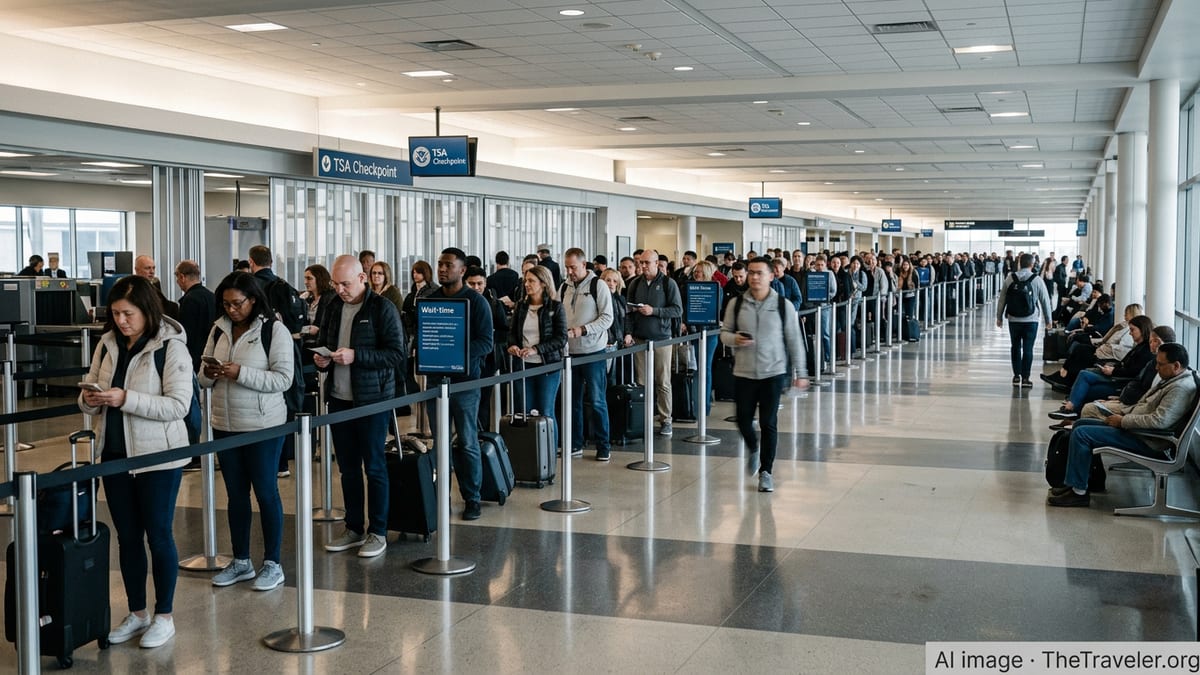
Reports indicate that at these locations passengers are already facing lengthy waits at passport control, particularly at peak arrival and departure banks. Local coverage in Spain, France and Portugal has described queues extending well beyond usual summer levels, with some travellers waiting more than an hour to complete formalities even before reaching security or boarding gates.
Ryanair’s latest warning frames these airports as early examples of how the system can quickly become saturated when aircraft arrive in short succession. With school holidays beginning in the United Kingdom and other source markets, the airline is cautioning that current bottlenecks are likely to worsen over the next few weeks unless additional measures are introduced.
Industry commentary suggests that the situation is especially challenging at leisure focused bases where terminal layouts and staffing were designed around shorter checks for EU passport holders. The extra processing now required for many passengers is putting those assumptions under strain at exactly the moment demand reaches its annual peak.
New EU border rules blamed for longer processing times
The immediate pressure is being linked to the European Union’s new Entry/Exit System, which records biometric and travel data for non EU nationals entering and leaving the Schengen area. Publicly available material from aviation and border control bodies notes that each traveller must now undergo more detailed checks, often involving fingerprint and facial image capture at a kiosk or staffed desk.
While the system is intended to improve security and replace manual passport stamping, early implementation has been marked by slower processing, technical teething problems and equipment shortages in some terminals. Reports from airline and airport industry groups describe “critical” bottlenecks where too few kiosks are available or where staff have not yet fully adapted to new procedures.
Commentary from travel industry associations indicates that the additional time required per passenger, multiplied across full holiday flights, is pushing terminal infrastructure beyond its intended capacity. Even minor technical glitches can quickly produce backlogs stretching through immigration halls and into public areas, especially at older airports with limited room to expand queuing space.
Ryanair’s warning about significant delays at nine major airports reflects broader concerns already raised by airport councils and airline groups, which have urged European governments to sequence the rollout more gradually or introduce temporary flexibilities to prevent prolonged disruption at peak times.
Calls grow for governments to pause or adapt EES rollout
In recent weeks, several aviation trade bodies and airlines have publicly called for national authorities to pause or adjust the Entry/Exit System during the core summer holiday period. Open letters from major airline and airport associations argue that the combination of untested technology, incomplete staffing plans and record passenger volumes risks undermining confidence in European travel.
Ryanair has been among the most vocal, urging governments in countries such as France, Italy and Portugal to delay full implementation until September. The airline contends in its public statements that doing so would prevent otherwise avoidable disruption for families travelling with children and would give border agencies more time to deploy equipment and training.
Some regional media reports note that certain administrations have already introduced limited flexibilities, such as prioritising manual processing when kiosks fail or adjusting staffing rosters for peak weekend periods. However, these measures have not fully offset the longer transaction times reported at busy sun destination airports, where multiple large aircraft often arrive within minutes of each other.
Policy specialists following the rollout suggest that governments are now weighing the political risk of visible border queues against the long planned timetable for the new system. Any move to suspend or modify the scheme for the summer would require coordination across several countries, while the pressure from airlines and airports for rapid solutions continues to grow.
Impact on UK holidaymakers and practical travel advice
The warning is particularly aimed at UK travellers heading to popular Mediterranean destinations, who are now subject to the full range of Entry/Exit System checks when entering the Schengen zone. Ryanair and other carriers have drawn attention to the fact that families with young children and passengers with reduced mobility are especially vulnerable to disruption when queues stretch into hours.
Travel industry guidance emerging in recent days stresses the importance of allowing substantially more time than usual at departure and arrival airports served by the airline’s flagged hotspots. Passengers are being encouraged to arrive well ahead of check in and bag drop cut off times, ensure all documentation is prepared before reaching passport control, and make use of online check in and mobile boarding passes where possible.
Air travel analysts note that while airlines can adjust schedules and staffing to a degree, the most significant constraints currently lie at state controlled border posts. This limits the ability of carriers to shield customers from disruption once they enter immigration areas, even when flight operations themselves remain punctual.
Despite the warnings, industry observers also emphasise that the severity of delays can vary widely by time of day and by airport. Off peak flights and routes serving a higher proportion of EU citizens may see relatively modest impacts, while late morning and weekend departures on heavily touristed routes are more likely to encounter sustained queues.
How airports and airlines are responding to mounting pressure
Across Europe, airports identified in connection with Ryanair’s warning are introducing a variety of short term measures to cope with the summer surge. Public information from operators points to expanded marshalling teams to manage queues, temporary repurposing of space for overflow lines, and closer coordination between airlines, ground handlers and border agencies to smooth passenger flows.
Some terminals are accelerating the installation of additional biometric kiosks and signage aimed at helping passengers complete pre checks more quickly. In parallel, airlines are intensifying their communication efforts, using booking confirmations, apps and social media to alert travellers about likely hotspots and to advise on recommended arrival times.
Aviation consultants suggest that these actions may mitigate the most severe outcomes but are unlikely to eliminate disruption entirely while the new system beds in. They point out that the combination of record demand, constrained terminal capacity and evolving border technology creates a structural risk of queues that can only be fully addressed through longer term investment and planning.
For now, Ryanair’s warning about significant delays and long queues at nine major airports serves as an early summer signal of stress across Europe’s border infrastructure. Travellers heading to the affected destinations are being urged, through publicly available guidance, to build extra time into their journeys and to stay alert to airport specific advisories as the peak holiday season progresses.