


More news on this day
As the first matches of the 2026 World Cup get under way, host cities across North America are activating new open payment systems that allow visiting fans to tap bank cards and phones for everything from match tickets to metro rides.
Get the latest news straight to your inbox!
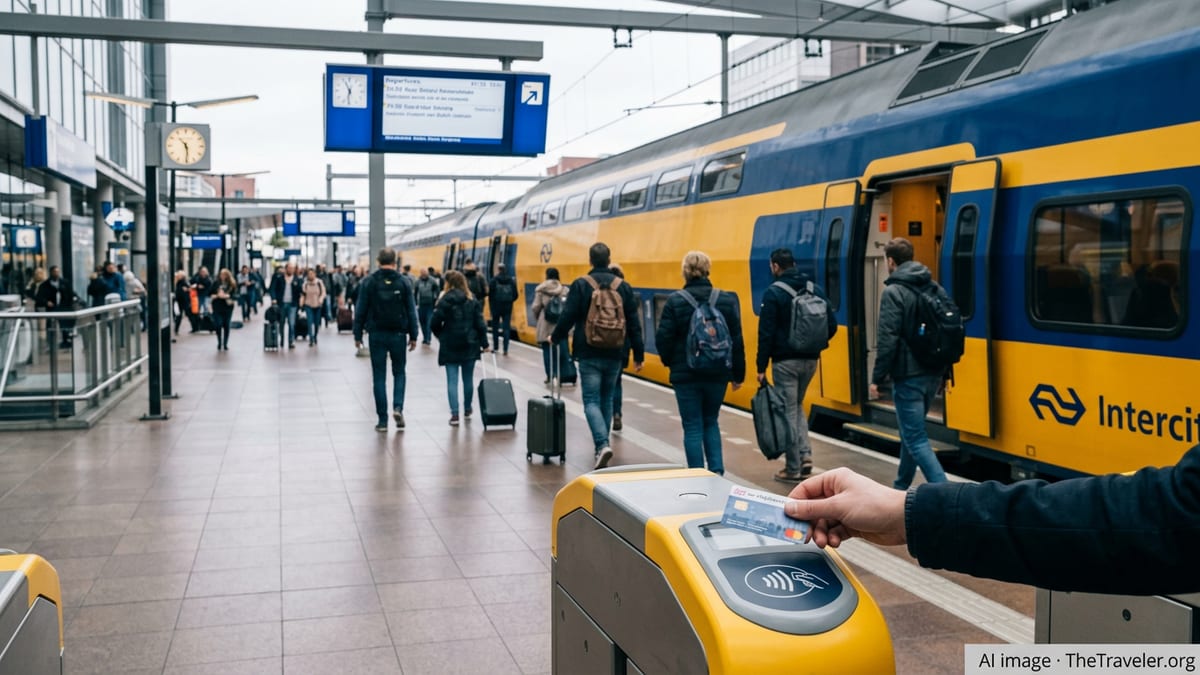
From ticket portals to tap-to-pay turnstiles
World Cup organizers and payment providers have framed the 2026 tournament as a showcase for contactless and card-based payments, with a particular focus on making it easier for international visitors to move and spend across three countries and 16 host cities.
On the ticketing side, publicly available information shows that fans purchasing seats for the competition are required to use payment cards, with Visa highlighted as the official payment technology partner. Tournament guidance also notes that digital wallets such as major mobile pay services can be used where supported, aligning the match-ticket process with everyday consumer payment habits.
For travelers, a key change compared with earlier tournaments is the wider use of so-called open payments on local transport networks. Rather than buying separate transit cards or paper tickets, spectators in many host cities can now tap contactless credit and debit cards or mobile wallets directly at gates and on-board validators, with back-end systems calculating and capping fares automatically.
Across the three host nations, this approach is emerging as the default for new or upgraded fare-collection systems, reflecting broader trends in urban mobility where transit agencies increasingly rely on bank-card infrastructure rather than closed, proprietary ticketing schemes.
Host cities race to switch on open-loop transit
In the months leading up to kickoff, transport authorities in several World Cup host cities have accelerated open-loop rollouts to be ready for the surge in visitors. Industry coverage indicates that agencies in all 16 host cities have been preparing expanded rail, bus and shuttle services, often paired with new tap-to-pay options designed to reduce queues and confusion for first-time riders.
In Los Angeles, the World Cup has coincided with the wider deployment of a system that accepts contactless bank cards across much of the region’s bus and rail network, after a soft-launch phase earlier in the spring. Local reporting and public presentations describe the program as a core part of the region’s World Cup transport plan, with open payments expected to complement existing smartcards for both residents and visitors.
Other host areas, from Seattle to the San Francisco Bay Area and major East Coast cities, have likewise promoted contactless acceptance as part of their tournament-readiness messaging. Guides compiled by transit specialists highlight that visitors can already use tap-to-pay on metro lines and buses in several of these cities, often without needing to understand local fare products in advance.
In Canada, Toronto and Vancouver have invested in contactless upgrades over recent years, and travel advisories ahead of the tournament emphasize that bank cards and mobile wallets are widely accepted on public transport, aligning with the World Cup’s broader push toward frictionless payments.
Visa’s spotlight and a broader payments ecosystem
While Visa holds the official payment partner designation for the 2026 World Cup, the reality for travelers on the ground is more varied. Ticketing information highlights Visa-branded cards prominently, particularly during priority sales phases, but later stages of sales and some ancillary services have also referenced acceptance of other major card networks and digital wallets.
In host-city transit systems, technical documentation and pilot announcements show that open-loop validators are typically configured to work with a range of contactless EMV cards and mobile wallets rather than a single brand. This reflects the way modern acquiring and processing platforms are built, and aligns with the goal of allowing fans from different banking markets to tap in with the cards they already carry.
Payment companies are treating the tournament as a global shop window for tap-to-pay. Marketing campaigns from major networks spotlight the idea that “every tap” enhances the fan experience, while transport-focused payment providers have promoted their role in enabling open account-based systems capable of handling both daily commuters and surging event-time crowds.
For local merchants in host cities, the convergence of card-centric ticketing, transit and retail is expected to shift an even larger share of World Cup spending onto electronic payments, reinforcing trends already evident in North America’s urban tourism hubs.
What open payments mean for traveling fans
For supporters traveling between Canada, Mexico and the United States, the rapid spread of tap-to-pay brings both conveniences and practical considerations. Currency guidance for the tournament underlines that purchases in each host country are settled in the local currency, even when made with foreign-issued cards, meaning fans need to be aware of their bank’s foreign exchange rates and fees when tapping for everything from metro rides to match souvenirs.
At the same time, the ability to use a single card or wallet across multiple cities reduces the need to carry large amounts of cash or juggle different local transit cards. Open-loop systems typically handle fare capping and transfers automatically, which can be especially helpful during complex match-day journeys involving shuttles, suburban rail and urban metro lines.
Published transit guides for fans emphasize simple rules of use: tap the same card in and out where required, avoid tapping the same wallet twice for a group, and watch for fare capping thresholds that can save money on days with multiple trips. In some cities, visitors can also link their tapped payment method to online accounts for receipts and trip histories, offering an extra layer of transparency during multi-week itineraries.
For those less comfortable relying solely on digital payments, cash remains available in many settings, although several host-city transport agencies have indicated that in-vehicle cash handling will be limited during the tournament in order to speed boarding and keep to match-day schedules.
Testing ground for future mega-event mobility
The 2026 World Cup is emerging as a large-scale test case for how open payments can be deployed at speed across a fragmented transport landscape. Agencies serving stadiums, airports and city centers are relying on a mix of new validators, upgraded back-office platforms and real-time settlement systems to ensure that card taps made by visitors from dozens of banking markets are recognized reliably.
Payments and mobility analysts suggest that the lessons learned this summer could inform how future Olympics, continental championships and other global events structure their ticketing and transport offers. If open-loop systems perform well under World Cup conditions, they are likely to strengthen the business case for similar implementations in cities that are still reliant on legacy paper tickets or closed smartcard schemes.
For fans arriving over the coming days and weeks, the most visible sign of that experiment will be at stadium gates, station platforms and bus doors, where contactless logos now sit alongside team colors and tournament branding, signaling that a simple tap is increasingly enough to join the global event.