


More news on this day
The Philippines is sharpening its focus on Bohol as a flagship destination, with a new wave of local development initiatives designed to strengthen tourism planning, climate resilience and community participation across the island province.
Get the latest news straight to your inbox!
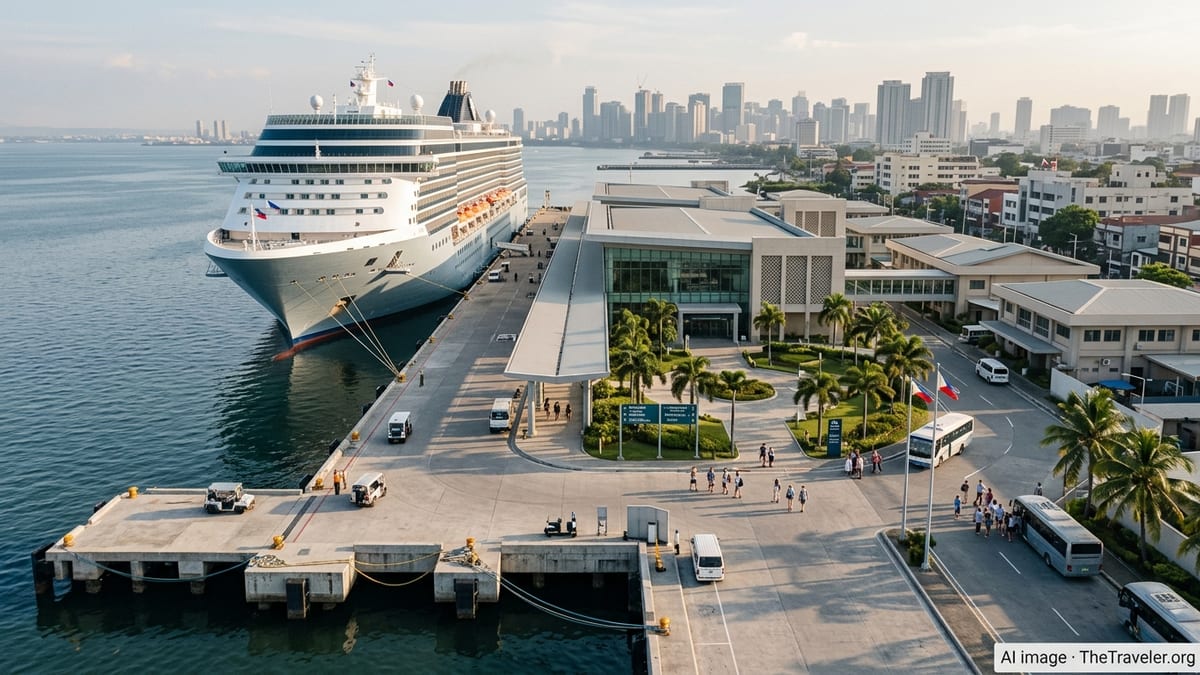
Strategic planning to manage tourism growth
Recent policy and planning documents from Bohol’s provincial government highlight tourism as one of the province’s main economic drivers, and outline a coordinated approach to managing growth in key destinations such as Panglao, Anda, Loboc and Carmen. New development planning efforts are framed around maintaining Bohol’s appeal as an eco cultural destination while addressing pressure on infrastructure, water resources and waste management.
The province’s tourism master planning work sets out a unified direction for local governments, emphasizing that expansion of visitor facilities must be aligned with environmental safeguards and cultural preservation. Local planning records indicate that tourism development proposals are now routinely assessed against broader land use plans and road network strategies, with the goal of improving access to sites while avoiding congestion and overuse.
Provincial planning materials also connect tourism to longer term road and transport upgrades under the Local Road Network Development Plan, which groups projects around priorities such as infrastructure, interconnectivity and disaster risk reduction. This approach is intended to ensure that new attractions and circuits are supported by reliable access, basic services and climate resilient infrastructure rather than stand alone projects.
At the same time, updated tourism profiles for Bohol catalog a diverse range of attractions, from beach and dive sites to agro forestry and industrial tourism locations, reflecting a push to distribute visitor flows beyond well known areas and encourage more balanced local development.
New programs link tourism, climate resilience and communities
Tourism planning in Bohol is increasingly being tied to climate and disaster resilience programs that seek to prepare communities for natural hazards while sustaining visitor dependent livelihoods. Recent provincial briefings on governance and climate disaster risk initiatives describe ongoing work with national agencies and local partners to integrate risk assessments, mitigation measures and emergency response planning into tourism related projects.
These initiatives prioritize capacity building at the community level, with support for women led organizations and other grassroots groups engaged in local tourism enterprises. Training covers leadership, project development and access to funding for resilience focused activities, including those that protect natural attractions and cultural sites that draw visitors.
Earlier project resolutions on transforming tourism toward inclusive and sustainable models already linked water supply, sanitation and solid waste facilities to the broader visitor economy. Current efforts build on that foundation, indicating that tourism development planning in Bohol is now more closely connected to basic services that are essential to both residents and guests.
Local authorities are positioning these programs as a way to ensure that tourism growth contributes to safer, more adaptive communities, rather than adding to their vulnerability when extreme weather events or other shocks occur.
Digital tools reshape visitor experience and data
A new local development push is also evident in Bohol’s adoption of digital tools intended to support smarter tourism management. In May 2026, the provincial government and Bohol Island State University formalized a partnership for the Laag Bohol tourism web application, which is designed to assist both visitors and tour guides with real time information on attractions, routes and services.
Separate reports from the Department of Science and Technology’s research council describe the Laag Bohol platform as a digital solution aimed at improving the tourism experience while helping the province respond to a downturn in arrivals. The system is being refined with input from the provincial tourism office, municipal tourism units and tour guide associations, with beta testing focused on making the tool useful for day to day operations in the field.
Provincial communications frame the web app as part of a wider digital transformation agenda that includes better tourism data banking, online knowledge centers and strengthened statistics for planning. By improving how visitor information is captured and used, Bohol aims to calibrate marketing, identify capacity constraints and adjust local development projects to evolving demand.
These digital initiatives complement earlier national investments in tourist rest areas and related infrastructure, which seek to standardize basic services at key stopover points and improve overall visitor comfort while traveling between destinations in the province.
Wellness, geopark status and diversified tourism products
The launch of the Nurturing Bohol initiative in early 2026 signaled a parallel effort to position the province as a wellness and nature oriented destination, anchored in its recognition as the Philippines’ first UNESCO Global Geopark. Publicly available information on the program describes a focus on integrating health, nature, culture and community based tourism into a more cohesive offer for longer staying visitors.
Under this wellness oriented framework, local development programs are being steered toward retreat style experiences, nature immersion, preventive health activities and sustainable hospitality practices. These products are intended to complement established attractions such as dive sites and heritage tours, expanding the range of tourism circuits and encouraging travel to lesser known municipalities.
Provincial briefings on municipal tourism officer forums further indicate that local tourism plans are being aligned with geopark objectives and biodiversity conservation goals. Discussion points emphasize the need for coordination among municipalities to ensure that new projects reinforce the province’s branding as a geopark, while also protecting sensitive landscapes and habitats.
By linking wellness tourism and geopark commitments with concrete planning tools, Bohol’s tourism strategy is evolving beyond destination promotion to encompass the governance and land use decisions that shape how visitors experience the island.
Capacity building for local governments and enterprises
Recent engagements between the Department of Tourism’s regional office and the Bohol provincial government highlight growing support for local governments that are drafting or updating their tourism development plans. According to published coverage of a July 2026 meeting at the provincial capitol, discussions centered on helping municipalities craft plans tailored to their specific assets and community priorities.
Separate programs from the Department of Trade and Industry are reinforcing this effort by targeting micro and small enterprises in selected Bohol municipalities. A pilot Microbusiness Sustainability and Adaptability Program launched in the province is providing assistance to small retailers and tourism adjacent businesses, with the aim of improving their resilience and competitiveness in a shifting tourism landscape.
Internal planning documents from the provincial tourism office also reference continuing capacity building activities for tourism service providers, including training in product development, standards and policy compliance, and market promotion. These activities are aligned with efforts at the national level to raise service quality and safety standards across the tourism sector.
Together, these initiatives amount to a new phase in Bohol’s local tourism development program, one that combines strategic planning, climate resilience, digital innovation and enterprise support to strengthen the foundations of the province’s visitor economy.