


More news on this day
PKP Intercity is accelerating the modernization of its long-distance fleet with new and refurbished railcars designed to carry more bicycles and bulky sports equipment, reflecting growing demand for active and leisure travel across Poland and neighboring countries.
Get the latest news straight to your inbox!
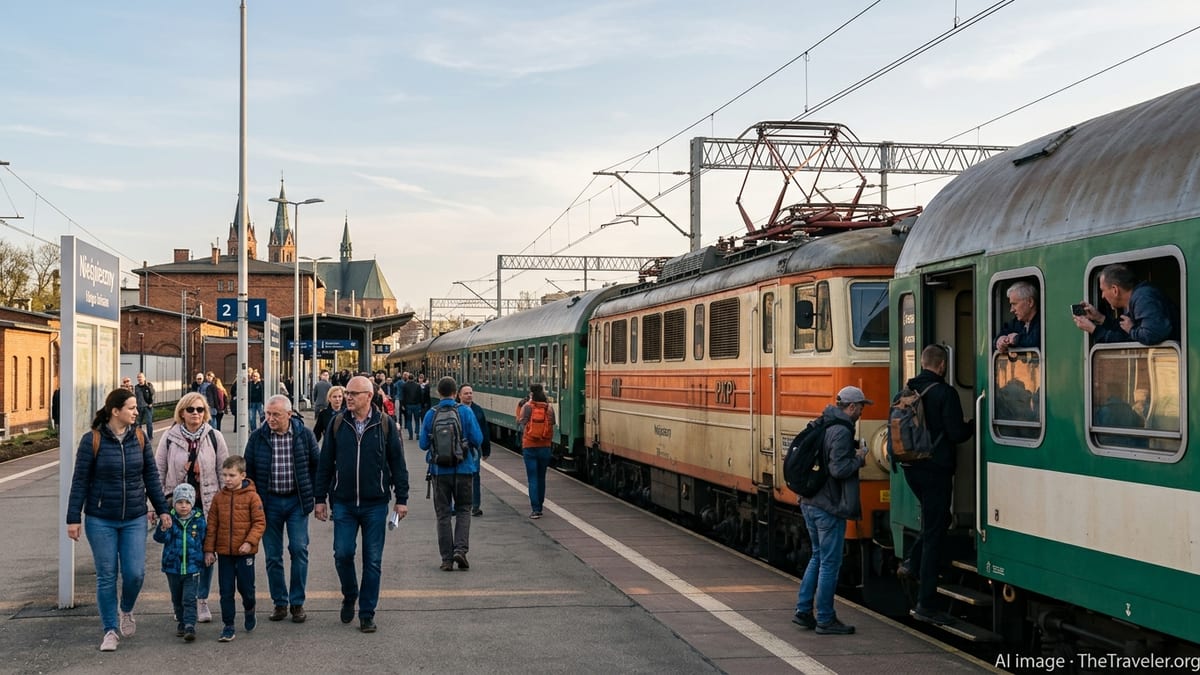
Modernized COMBO railcars expand space for active travelers
Publicly available information shows that PKP Intercity has completed the modernization of 50 so-called COMBO railcars, rebuilt from existing 112A coaches to add multi-functional spaces for bicycles, strollers, and large luggage. The cars are being delivered by Cegielski’s Fabryka Pojazdów Szynowych in Poznań and are gradually entering service on long-distance routes.
Reports indicate that each COMBO car includes a low-floor entrance in one section, wider vestibules, and a dedicated multi-purpose area with fastening systems for bicycles and other oversized items. This configuration is intended to make it easier for passengers to board with bikes or sports gear and to move between the door area and the seating section.
According to industry coverage, the modernization contract for these 50 COMBO railcars is worth more than 350 million złoty and is part of a broader rolling stock renewal program at PKP Intercity. The operator is focusing on flexible interior layouts that can accommodate both seated passengers and travelers with equipment, instead of separating dedicated bike wagons from standard coaches.
The COMBO fleet is being deployed primarily on long-distance intercity services, including routes popular with tourists heading to mountain regions and the Baltic coast. For international readers, these are key corridors that link Warsaw and other large cities with outdoor destinations where cycling, hiking, skiing, and water sports are major draws.
New contract to refurbish dedicated bicycle railcars
Alongside the COMBO rollout, PKP Intercity is also updating its classic bicycle wagons. Recent reports from the Polish rail press highlight a contract with PKP Intercity Remtrak to modernize existing 609A-type coaches, which are traditionally used as bike and luggage cars in long-distance formations.
The modernization of the 609A series focuses on reconfiguring interiors to better organize bicycle racks and create safer storage for large items such as skis, snowboards, and surfboards. Available information indicates that the project also includes refreshed interiors, upgraded lighting, and revised layouts that reduce conflicts between passengers moving through the car and those loading or unloading equipment.
These refurbished cars are expected to operate in combination with seated coaches, reinforcing capacity on services where demand for bike spaces is seasonal but intense, such as summer trains to the Baltic resorts and winter connections to southern ski areas. The approach allows PKP Intercity to scale bike and sports capacity without permanently dedicating every train to high equipment volumes.
Industry commentary suggests that the modernization program for the 609A wagons builds on earlier multi-year contracts between PKP Intercity and Remtrak covering around 150 coaches. In practice, this means the carrier is standardizing features and layouts, so passengers encounter similar bike and sports storage solutions regardless of the specific route or train category.
Investment strategy targets tourism and modal shift
PKP Intercity has framed these modernization efforts as part of a wider investment plan aimed at making rail more attractive for domestic tourism and active travel. Public documents outlining the company’s long-term strategy emphasize growing demand from passengers combining rail journeys with cycling holidays and outdoor sports trips.
According to published coverage of PKP Intercity’s recent tenders and contracts, the carrier is investing billions of złoty in new locomotives and passenger cars, many of which are specified with multi-purpose spaces and low-floor sections. The presence of bike and sports equipment areas is increasingly treated as a standard requirement, rather than an optional extra.
Analysts of the Polish rail market point out that this focus aligns with European climate and transport policy goals encouraging a shift from private cars to public transport. By improving the experience for passengers who want to bring bicycles or skis, PKP Intercity is positioning itself as a viable alternative to driving to the mountains, lakes, or seaside, particularly for longer journeys where highway congestion is a concern.
The company’s modernization program also intersects with regional tourism strategies, as local authorities promote cycle routes and cross-border trails that can be accessed by train. More storage capacity on long-distance services is seen as a key enabler for these projects, making it easier for international visitors to combine intercity rail with local bike itineraries.
Passenger comfort upgrades accompany storage refits
The focus on bicycles and sports equipment is only one element of PKP Intercity’s current rolling stock projects. Reports on the COMBO cars and refurbished wagons highlight upgrades such as air conditioning, modern passenger information systems, new seating, and improved accessibility features for persons with reduced mobility.
In the multi-functional zones, designers have sought to integrate folding seats, charging points, and large luggage shelves alongside bike mounts. This allows the same area to serve a variety of travelers, from cyclists and skiers to families with prams or passengers carrying bulky suitcases on holiday or business trips.
According to technical descriptions published by manufacturers and PKP Intercity, door systems, toilets, and interior lighting have also been renewed in many of the modernized coaches. Closed-system toilets, LED lighting, and redesigned vestibules contribute to a more contemporary on-board environment that is closer to newly built rolling stock than to the trains these cars originated from.
These comfort upgrades are important for PKP Intercity’s competitive position against both budget airlines and private car travel on key domestic corridors. The carrier is betting that a combination of modern interiors, reliable bike and sports storage, and improving journey times on upgraded infrastructure will attract a broader mix of passengers, especially during peak holiday periods.
Network-wide rollout expected over the next few years
With the 50 COMBO railcars already in service or being delivered and the modernization of 609A bicycle wagons underway, PKP Intercity is preparing for a gradual network-wide rollout of enhanced bike and sports capacity. Industry reports state that the company’s broader fleet renewal, covering hundreds of new and refurbished coaches, is scheduled to continue through the middle of the decade.
In practical terms, this means that travelers booking summer or winter trips in the coming years should encounter more trains that offer reserved bike spaces, clearer signage, and better-designed areas for large equipment. Timetable information and booking platforms are being adapted to reflect the availability of these spaces, although the details vary by route and train category.
Observers of the Polish rail sector note that the scale of PKP Intercity’s investment makes it one of the most significant passenger rolling stock upgrades in Central Europe. By attaching particular importance to multi-functional interiors, the carrier is signalling that future long-distance trains in Poland will be built around diverse passenger needs, including those of cyclists and sports enthusiasts.
As modernization milestones are reached and newly refitted cars are added to different routes, PKP Intercity is expected to adjust formations and service patterns to match seasonal demand. For travelers, that translates into more consistent options to take bicycles and sports gear on board, strengthening the role of rail as the backbone of active tourism in the country.