


More news on this day
Polish officials are tightening travel guidance for the Middle East as the expanding war between the United States and Iran fuels fresh attacks, maritime disruption and concern over the safety of civilians across the region.
Get the latest news straight to your inbox!
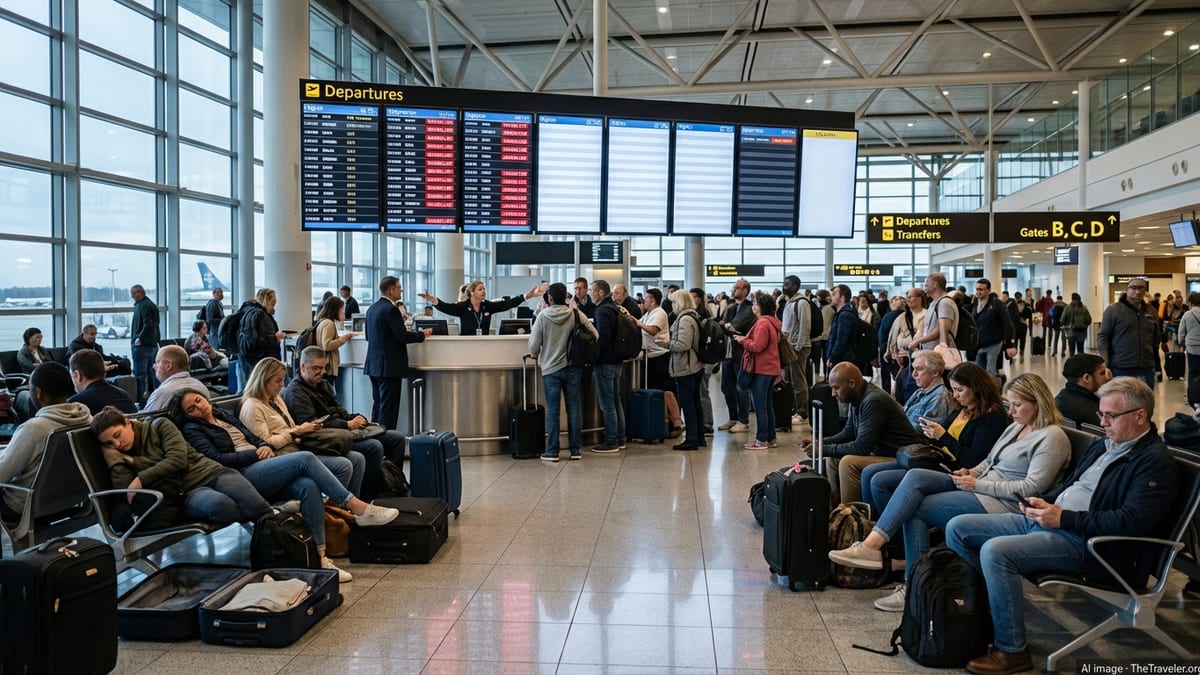
Heightened warnings follow renewed US Iran strikes
Poland’s latest caution on Middle East travel comes as the US Iran conflict enters a more dangerous phase, with new waves of airstrikes reported on July 12 against Iranian targets after attacks on commercial shipping near the Strait of Hormuz. Publicly available information from regional media and international agencies indicates that United States Central Command has carried out several rounds of strikes in recent days, responding to missile and drone launches attributed to Iran and its allies.
Reports from global outlets describe a pattern of tit for tat attacks since early July, including Iranian strikes on US positions and allied facilities in Gulf states, followed by large scale American responses. Analysts note that this dynamic has pushed the conflict well beyond the initial exchanges earlier in the year and revived fears of a wider regional war that could draw in additional actors.
The renewed fighting has coincided with a period of political volatility in Tehran after the death of former supreme leader Ali Khamenei and the succession of his son, which international coverage links to hardening rhetoric over the war. As both sides signal they are prepared for a prolonged confrontation, European governments are reassessing travel risk levels across the broader Middle East, from the Gulf to the eastern Mediterranean.
For Warsaw, which has citizens working, studying and traveling throughout the region, the escalation has reinforced a message that began months earlier, when officials started advising Poles to avoid nonessential journeys to Iran and neighboring states most exposed to the fighting.
Long running Polish concern over regional security
Poland’s current stance builds on a series of warnings issued since the first major US and Israeli strikes on Iran in late February. According to published coverage from Polish outlets and analytical briefs, Prime Minister Donald Tusk and senior security officials had already urged Poles in Iran to leave the country in February, citing what they called a very real possibility of conflict and disruption to commercial air links.
By March, public information shows that the foreign ministry had extended its advice to a wider set of destinations in the Middle East, discouraging tourism and other nonessential travel to countries viewed as potential targets of Iranian missile and drone attacks. The government framed these measures as precautionary steps aimed at reducing the number of citizens who might need assistance if fighting spread or airspace was closed.
Research institutes tracking the war have highlighted Poland among European states that moved quickly to reassess risk once Iran began targeting infrastructure and economic assets in Arab countries. These assessments warned that additional strikes on ports, airports and energy facilities, as well as interference with shipping routes, could trigger sudden breaks in connectivity and leave travelers stranded.
Poland has also been balancing its response with broader security priorities, including the impact that sustained Middle East turmoil could have on energy markets, defense supply chains and the focus of Western allies on Russia’s war in Ukraine. Commentators in Warsaw have argued that instability around the Strait of Hormuz and in Gulf states risks pushing up energy prices and diverting political attention away from Europe’s eastern flank.
Travel advisories widen as Strait of Hormuz risk grows
The immediate trigger for the latest wave of concern has been Iran’s declaration that it is closing the Strait of Hormuz to shipping that does not follow routes it approves, after an incident involving a commercial vessel that Iranian forces say ignored their instructions. International reporting notes that Tehran has warned it will respond severely to any retaliation, while the United States is demanding clear assurances that the waterway remains open and safe for navigation.
The Strait of Hormuz is one of the world’s most critical maritime chokepoints, and any sustained disruption there would have direct implications for global trade and energy supplies. Aviation safety agencies in Europe have already issued and periodically updated bulletins advising airlines on the risks of operating over or near conflict zones in the wider Gulf region, and some carriers have rerouted or suspended flights in response to missile activity.
Within this context, Polish travel advisories are understood to focus on countries closest to the conflict, including Iran and several Gulf states, as well as territories where US military assets and partner bases might be viewed as potential targets. Publicly available notices emphasize that sudden airport closures, missile or drone strikes near civilian infrastructure and rapidly changing security conditions could leave tourists without a straightforward way to exit.
Travel risk analysts note that even countries not directly involved in hostilities can experience knock on effects, such as airspace closures or temporary suspensions of flights by major international carriers. This uncertainty is central to Warsaw’s message that journeys to the region now carry higher than usual levels of operational and security risk.
Evacuation experience shapes current guidance
Poland’s approach is also informed by recent experience evacuating citizens from the Middle East earlier in the war. Media coverage in March described how, after weeks of heightened warnings, Warsaw organized flights to bring home Poles who had found themselves stuck as commercial options dwindled and airlines cut routes due to the conflict.
Those operations, conducted alongside a dedicated consular helpline, highlighted the logistical challenges of extracting citizens from multiple countries during a fast moving security crisis. Officials had to navigate partial airspace closures, work with partner governments on landing permissions and prioritize those in the most vulnerable situations, including tourists whose return flights had been canceled.
The episode triggered domestic debate over how early and how strongly the government should discourage travel to high risk areas. Commentators pointed out that even when advisories are in place, some travelers continue to visit due to business commitments, family ties or personal assessment of the risk, which can complicate crisis response if conditions deteriorate suddenly.
In the current phase of the US Iran war, this experience appears to have reinforced Poland’s preference for clear, early messaging. Travel updates now underline the possibility that evacuation flights may not be available in every scenario and encourage citizens to monitor local media, follow the instructions contained in official advisories and consider postponing trips to countries most exposed to the conflict.
What travelers are being urged to consider
For Poles already in the region, publicly available guidance stresses basic precautions that mirror advice issued by other European governments. These include registering with consular services where possible, avoiding areas near military sites or critical infrastructure that could be targeted, and maintaining flexible travel plans in case routes are disrupted on short notice.
Prospective travelers are being urged to review insurance coverage, airline policies on route changes and cancellations, and the legal implications of ignoring official warnings. Some European insurers have begun restricting coverage for trips to designated conflict zones, and airlines may be more limited in their obligations if passengers choose to travel despite explicit advisories against doing so.
Industry observers say the continuing war is likely to weigh on tourism flows to parts of the Middle East that had been rebuilding visitor numbers in recent years. At the same time, destinations considered more stable in the region may see shifts in demand as travelers look for alternatives that still allow access to cultural and religious sites without crossing into active conflict areas.
For now, Poland’s sharpened messaging reflects a broader European recalibration of risk as the US Iran confrontation shows little sign of immediate de escalation. With the situation around the Strait of Hormuz and in several Gulf states remaining fluid, travel to the wider region is set to stay under close review by Polish authorities and travel industry stakeholders alike.