


More news on this day
Polar Latitudes is preparing to reshape how travelers reach Antarctica, announcing new fly and cruise expeditions for the 2027–28 season that promise faster access to the White Continent and a smoother alternative to the turbulent Drake Passage.
Get the latest news straight to your inbox!
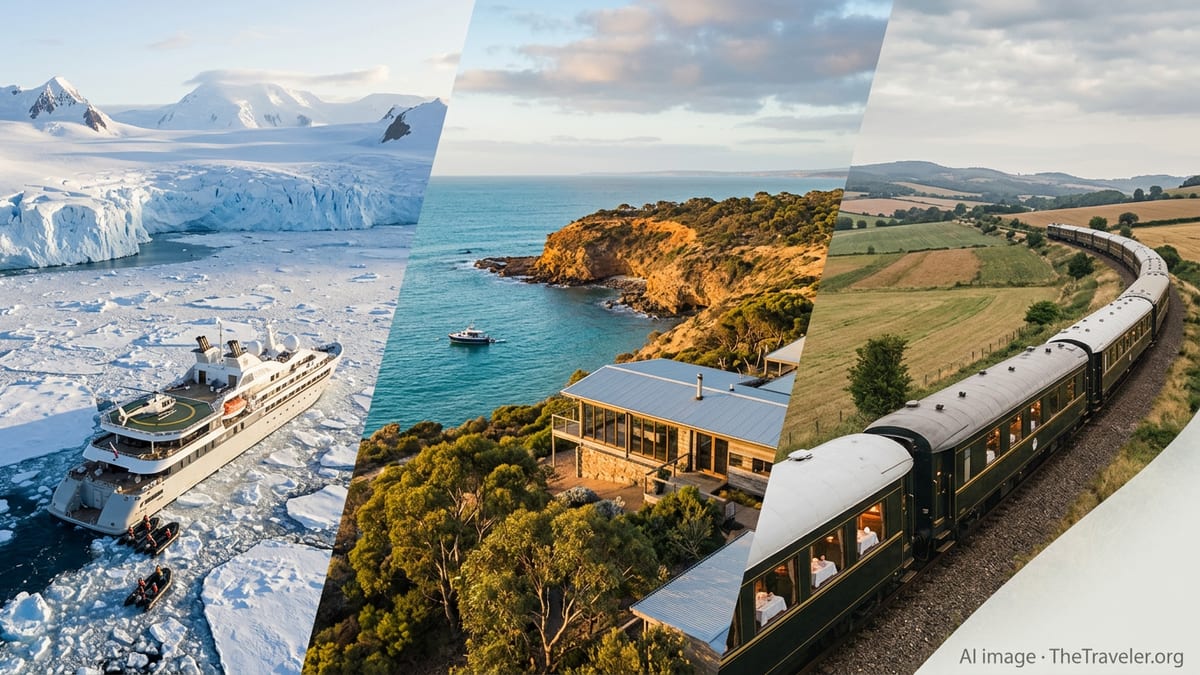
A New Fast-Track Route to the Frozen South
According to recent industry coverage, Polar Latitudes plans to introduce its first dedicated fly and cruise voyages at the start of 2028, adding air links between Punta Arenas in southern Chile and King George Island in the South Shetlands to its existing portfolio of ship-based Antarctic itineraries. The new product is designed to streamline the journey to the Antarctic Peninsula by cutting out the lengthy ocean crossing that traditionally separates South America from the continent.
Publicly available information indicates that passengers will board charter flights in Punta Arenas and land at King George Island, where they join their expedition vessel for several days of exploration along the Antarctic Peninsula. By coupling a short flight with a classic small-ship expedition, the company aims to retain the hallmarks of immersive polar travel while reducing transit time.
Voyages are expected to operate in the heart of the Antarctic high season, from mid January to early February 2028, when daylight is long, wildlife activity is intense and sea ice conditions typically allow for deeper exploration. Early scheduling details show a limited series of departures, signaling a cautious but confident entry into a competitive corner of the polar travel market.
Reports indicate that the Ocean Nova, an 80 passenger expedition ship with a long track record in polar cruising, will be central to the new program. Its compact size allows for nimble maneuvering among ice floes and quicker passenger transfers to and from Zodiacs, attributes that are particularly valuable when operating on tight fly and cruise timelines.
Bypassing the Drake Passage for Comfort and Time
One of the main selling points of the Polar Latitudes fly and cruise model is the opportunity to bypass the Drake Passage, the notorious stretch of open ocean that separates Cape Horn from the Antarctic Peninsula. Publicly available operator briefings highlight that while crossing the Drake by sea can take up to two days in each direction, the charter flight between Punta Arenas and King George Island is expected to take roughly two hours.
This shift is significant for travelers who are prone to seasickness or who are uneasy about spending multiple days in potentially rough waters. The new route removes the need to brave some of the Southern Ocean’s most unpredictable conditions and replaces them with a short flight, followed by immediate immersion in Antarctic landscapes.
Time efficiency is another key factor. Traditional expedition cruises often require 10 to 13 days to accommodate the full round trip from South America across the Drake Passage. Fly and cruise models can deliver a comparable number of days in Antarctica within a shorter overall itinerary, which may appeal to travelers with limited vacation time or those trying to add Antarctica to a broader multi-continent journey.
Travel planners note that flying into King George Island also reduces the cumulative environmental footprint associated with long ocean crossings. Although aircraft operations come with their own impacts, the ability to shorten engine hours at sea and focus more of the itinerary on low-speed operations around the peninsula aligns with wider efforts in the expedition sector to refine sustainability practices.
Enhancing the Expedition Experience On Board
While the new program changes how guests get to Antarctica, Polar Latitudes’ fly and cruise concept is built to mirror the operator’s existing small ship experience once passengers are on board. Published descriptions of the product emphasize that travelers will still find a full expedition team, daily landings by Zodiac, and a focus on education and wildlife encounters.
The Ocean Nova’s capacity of around 80 guests is comparatively low by cruise industry standards, supporting a style of travel that prioritizes time ashore and close engagement with the environment. Smaller numbers allow all passengers to disembark simultaneously within guidelines set by the Antarctic Treaty System, reducing wait times and maximizing the number of excursions that can be carried out in a given day when weather and sea conditions cooperate.
Reports also describe a pre and post cruise package in Punta Arenas, with hotel stays and detailed briefings before the Antarctic flight. This staging approach allows travelers to adjust after their international journeys, complete gear checks and receive safety and environmental guidance in advance, so that time in Antarctica can be devoted almost entirely to exploration.
On board, the fly and cruise itineraries are expected to follow the familiar rhythm of polar expeditions, with flexible daily schedules shaped by ice, weather and wildlife. Lectures, photography workshops and citizen science programs already associated with Polar Latitudes are likely to remain central features, delivering continuity for loyal guests who may be trying the new format after previous sea only voyages.
Rising Competition in the Antarctic Fly and Cruise Market
Polar Latitudes is entering an arena that has been steadily expanding as more operators experiment with air links to Antarctica. Companies such as Antarctica21 and several larger expedition brands already market air cruise programs that also use King George Island as a gateway, reflecting strong demand for shorter, more comfortable routes to the continent.
Industry comparisons show that these products typically command premium pricing, driven by limited aircraft capacity, specialized logistics and the risks involved in operating in a region where weather can rapidly disrupt flight schedules. The arrival of Polar Latitudes, a company with a reputation for small ship expertise, adds another specialist option to this high value segment.
Observers note that competition may benefit travelers by broadening choice across different vessel sizes, price points and itinerary styles. With several lines now offering both classic sea crossings and fly and cruise variants, guests can more easily match their appetite for adventure, comfort and time at sea to a specific product.
The new service also reflects a wider trend in expedition cruising toward modular itineraries that mix different transport modes. As polar travel continues to grow, operators are experimenting with combinations of charter flights, overland segments and regional cruising in an effort to refine guest experience while responding to operational and environmental pressures.
What the 2028 Launch Means for Future Antarctic Travel
Looking ahead to the 2027–28 season, industry analysts view the Polar Latitudes fly and cruise launch as another marker of how rapidly Antarctic tourism is evolving. The initiative suggests that operators see sustained demand not only for classic expedition voyages, but also for options that lower barriers such as seasickness, long travel times and complicated logistics.
As bookings for late decade seasons begin to appear across the sector, the presence of additional fly and cruise capacity may reshape how travelers think about “once in a lifetime” journeys to Antarctica. A route that once demanded lengthy sea days and a tolerance for heavy swells is increasingly being reimagined as a focused, high impact experience that begins with a short charter flight from the tip of South America.
For destinations like Punta Arenas and King George Island, the trend underscores their growing role as critical hubs in the global expedition network. More frequent charter operations support local service providers, while also placing increased emphasis on careful coordination with Antarctic research stations and treaty bodies to manage traffic and protect fragile environments.
While many details of individual departures will continue to depend on weather and ice, the introduction of Polar Latitudes’ fly and cruise expeditions signals that by 2028, travelers will have more ways than ever to reach the frozen continent in comfort. The shift illustrates how technological, logistical and consumer trends are converging to transform one of the world’s most remote frontiers into a destination that remains adventurous, yet is increasingly accessible.