

More news on this day
Rail passengers faced unexpected delays after a recent train-pedestrian collision prompted an active police investigation and temporarily halted service, underscoring ongoing safety concerns along busy rail corridors.
Get the latest news straight to your inbox!
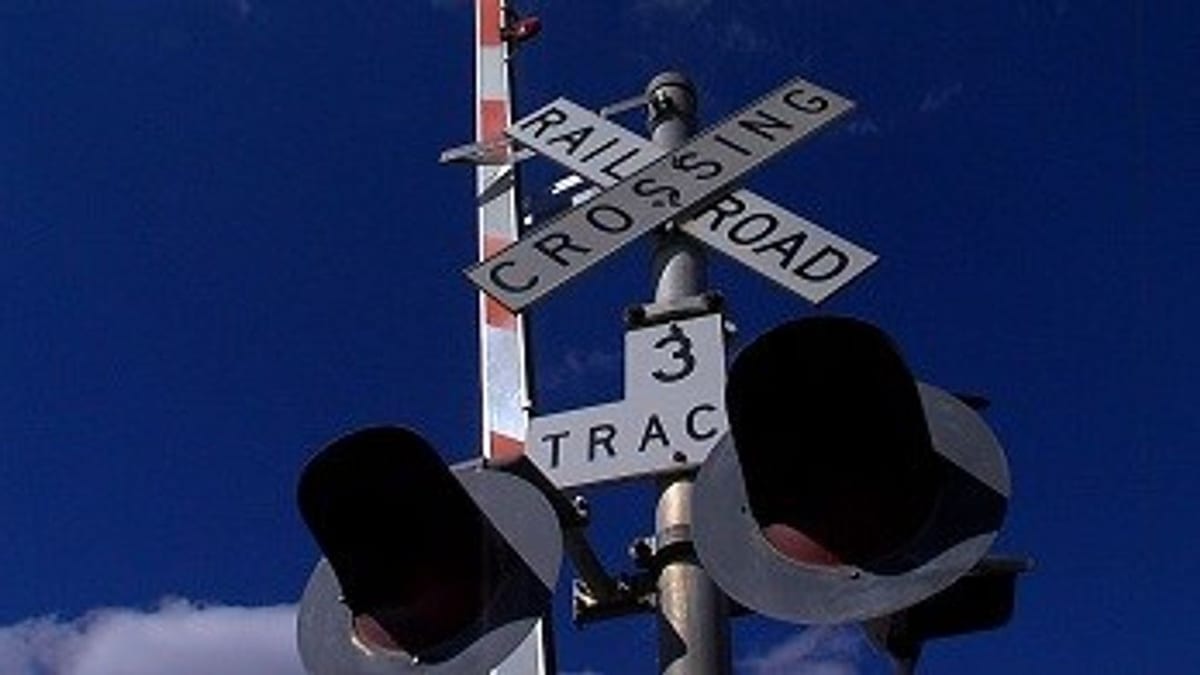
Collision under active investigation
Initial reports indicate that local law enforcement and rail police are reviewing the sequence of events that led to a train striking a pedestrian near a busy section of track. Publicly available information shows that investigators are working to document the position of the train and pedestrian, examine signaling records and lighting conditions, and gather any available video from the locomotive and nearby surveillance cameras.
According to published coverage of similar incidents, these inquiries typically focus on whether the pedestrian was on or near the tracks, the train’s speed in the area, and the effectiveness of audible and visual warnings. Investigators are also expected to review maintenance records for the crossing or right-of-way, if applicable, to determine whether infrastructure played any role.
The incident is being treated as a serious collision, and the findings will inform whether it is classified as an accident, a case of trespassing, or involves other factors such as medical distress or intentional actions by the pedestrian. Until that work is complete, officials generally refrain from drawing conclusions about fault or motive.
In comparable cases reported in recent months, formal determinations have often taken weeks or longer as police, rail operators, and, in some jurisdictions, national transport safety agencies coordinate their reviews. The current investigation is expected to follow a similar pattern, with an emphasis on reconstructing the timeline as precisely as possible.
Travel disruption for commuters and long-distance passengers
Train-pedestrian collisions commonly result in significant delays for both commuter and intercity rail services, and this case appears to be no exception. Standard operating practice calls for trains to be held back from the affected segment until investigators have finished documenting the scene and track inspectors confirm it is safe to reopen.
Passengers on approaching trains typically experience extended on-board holds or diversions to nearby stations. In some recent incidents at major hubs, rail traffic has been suspended in both directions, creating a ripple effect across the wider network as trains fall out of their scheduled slots and crews reach their working time limits.
Travelers caught in such disruptions often receive only limited information in the first hours after a collision, as rail operators relay that delays are due to “police activity” or a “pedestrian incident” on the tracks. More detailed explanations usually emerge later in the day through local news outlets or official statements posted by rail agencies.
Beyond the immediate inconvenience, these events can have knock-on effects for the rest of the day’s timetable, especially on single-track sections or heavily used commuter corridors. Cancellations and short turns are sometimes required to restore regular service, leaving some passengers seeking alternate transport by road or air.
Safety concerns along rail corridors
The collision has renewed attention on safety practices around rail lines, particularly in urban and suburban areas where tracks intersect with pedestrian routes and roadways. Rail safety campaigns in North America and elsewhere consistently emphasize that tracks are private property and that walking along or across them outside designated crossings is both dangerous and, in many jurisdictions, illegal.
Studies of past incidents highlight several recurring risk factors, including distraction from mobile devices, attempts to cross tracks when barriers are down, and misjudging the speed or distance of an oncoming train. Freight and passenger trains require long distances to stop, even when brakes are applied immediately, making last-second evasive action difficult or impossible.
Advocates for safer rail corridors point to a combination of engineering and education measures as the most effective response. These can include improved fencing in high-risk areas, upgraded warning systems at crossings, better lighting, and targeted public-awareness efforts near schools, transit hubs, and neighborhoods that border the tracks.
In recent years, some regions have also begun trialing technological solutions such as detection systems that alert train crews to obstacles on the tracks or enhanced camera monitoring along particularly busy segments. While such tools cannot eliminate all risk, they are viewed as a complement to infrastructure design and public outreach.
Guidance for travelers and nearby communities
In the aftermath of a train-pedestrian collision, rail operators typically encourage passengers to check real-time service alerts before leaving home, rather than relying solely on printed schedules. When rail lines are closed for an extended investigation, temporary bus bridges or rerouted services may be provided, although capacity can be limited during peak periods.
Travelers are often advised to allow additional time, especially if a journey passes through known bottlenecks such as central stations or single-track segments where delays are more difficult to absorb. For visitors unfamiliar with local networks, hotel staff, station information desks, and regional transit apps can be useful sources of updated route options.
Communities along affected corridors may notice an increased presence of police, emergency services, and rail personnel near the incident location in the hours and days that follow. Publicly posted notices sometimes appear at nearby crossings or platforms as investigations progress, reminding residents of safety rules and any temporary restrictions in the area.
While most trips pass without incident, the current investigation serves as a reminder that rail environments demand particular caution from pedestrians, cyclists, and motorists alike. Observing signals and barriers, avoiding shortcuts along the tracks, and keeping a safe distance from moving trains remain key steps to reducing the likelihood of future collisions.
Broader context in rail safety statistics
Train-pedestrian collisions, although relatively rare compared with other types of traffic crashes, account for a disproportionate share of serious injuries and fatalities due to the size and speed of trains. Publicly available safety data from national rail regulators consistently show that when such collisions occur, the outcomes are often severe.
Analysts note that incident trends can vary by region, influenced by factors such as the density of grade crossings, pedestrian traffic near stations, and the prevalence of high-speed services. Some corridors with large volumes of freight and passenger trains have invested heavily in grade separation projects, replacing crossings with overpasses or underpasses to keep rail and road users physically apart.
Ongoing research into collision patterns is informing where limited safety funds can have the greatest impact. Findings frequently highlight clusters near busy stations, school routes, and commercial districts, suggesting that targeted improvements at a relatively small number of locations may significantly reduce overall risk.
As investigators continue to examine the latest incident, transportation planners and rail operators are likely to review whether any additional measures are warranted along the route involved. For travelers, the event adds to a growing body of evidence that awareness and respect for rail environments remain essential parts of safe mobility in modern transport networks.