


More news on this day
Portugal is preparing for major travel disruption in early June as a nationwide general strike, called for 3 June 2026, threatens hundreds of flights along with rail and city transport, raising the prospect of knock-on delays across the wider European network at the start of the summer season.
Get the latest news straight to your inbox!
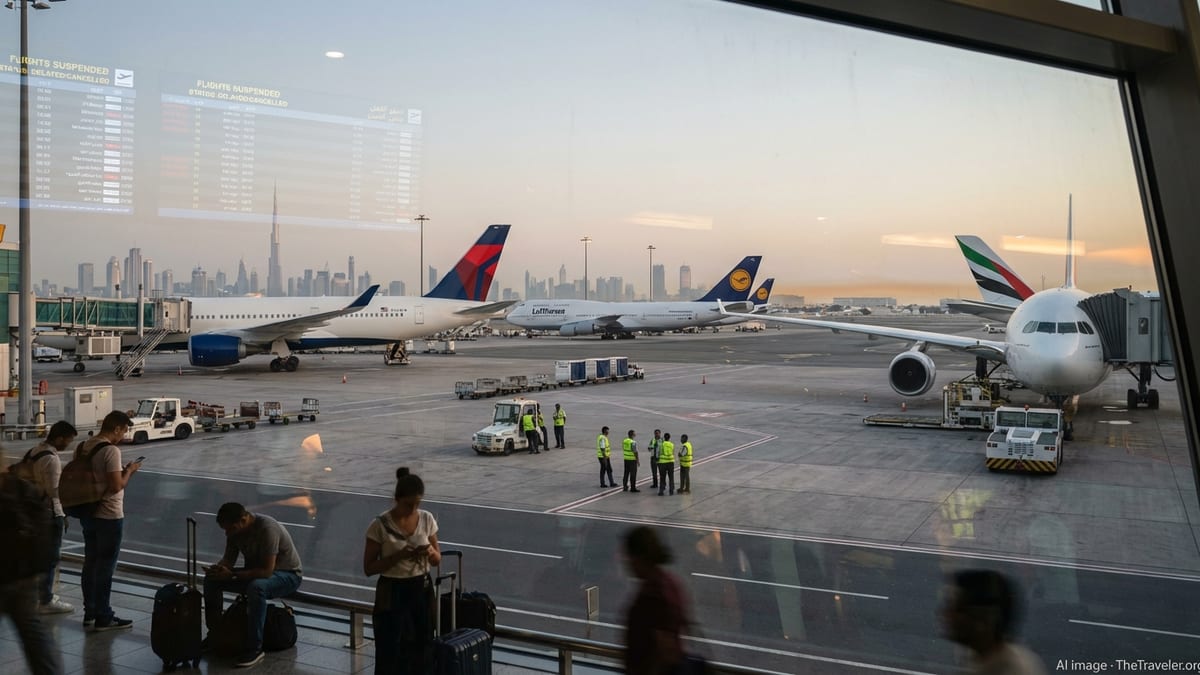
What Is Happening on 3 June in Portugal
The strike has been called by the CGTP, one of Portugal’s largest trade union confederations, as a general walkout across multiple sectors on 3 June 2026. Publicly available information indicates that the action is set to include key parts of the transport system, from aviation and airports to railways and urban metro networks.
Travel industry coverage suggests that as many as 500 flights could be affected over the course of the day, including both domestic and international services to and from Portugal’s main airports in Lisbon, Porto, Faro and the Azores. The strike comes at a time when Portuguese airports are already under scrutiny due to capacity constraints and the phased introduction of new European border controls for non Schengen passengers.
Airlines most exposed are those based in Portugal or operating large local networks. TAP Air Portugal, regional carrier Portugália and Azores-based SATA Group have all issued public advisories warning of potential disruption and offering increased flexibility for passengers booked to travel on 3 June. Low cost operators with substantial Portuguese operations, including easyJet and Ryanair, are also expected to adjust schedules around the strike window.
The industrial action is scheduled just as early summer tourist traffic picks up, with Portugal preparing for a strong influx of visitors from across Europe and North America. Travel analysts note that even a one day stoppage can take several days to clear, particularly at hub airports where aircraft and crew rotations are tightly planned.
How the Strike Could Ripple Across Europe
While the strike is focused on Portugal, its impact is unlikely to remain confined to Portuguese airspace. Eurocontrol and airline punctuality data from previous years show that industrial action in a single country often triggers delays and cancellations in neighboring states as airlines re route aircraft, adjust crew rosters and wait for airport slots to reopen.
Portugal is a key gateway between Europe, Brazil, West Africa and the Atlantic islands. TAP Air Portugal alone links Lisbon with dozens of European cities alongside long haul routes to North and South America and Africa. If a significant share of its schedule is reduced or cancelled for a full day, aircraft and crews may not be in the right place for subsequent rotations, affecting flights well beyond Portuguese borders.
Experience from earlier European strikes suggests that even passengers not flying to Portugal could feel the consequences. Flights that normally use Portuguese airspace might be rerouted, adding minutes to flight times and placing extra pressure on neighboring control centers in Spain and France. At peak times this can push delays well beyond the official day of action as air traffic managers work through backlogs.
Rail and metro walkouts in Portugal may also have indirect effects. Passengers connecting to long haul flights in Lisbon or Porto often rely on suburban trains and metro lines to reach the airport. If these modes are severely reduced, late check ins and missed connections are more likely, which can feed into further disruption for carriers and airports around Europe.
Which Flights and Routes Are Most at Risk
Published guidance from airlines and airports points to a few categories of flights that are especially vulnerable. Short haul intra European services that operate multiple legs per day using the same aircraft are often the first to be trimmed when schedules are disrupted. That means point to point links between Portugal and nearby countries such as Spain, France, Germany, the United Kingdom, the Netherlands and Italy could see higher rates of cancellation or consolidation.
Regional routes within Portugal and to the Azores and Madeira, many of them lifelines for local communities and tourism, are also at risk. SATA Group has already announced contingency options for passengers planning to travel around the strike date, allowing free changes within a limited window. Similar rebooking policies are being advertised by other operators serving island and domestic routes.
Long haul flights are generally more protected, since airlines often prioritize them when resources are tight. However, they are not immune. If ground handling, security screening or air traffic control staffing is reduced, departure and arrival waves to North America, Brazil and Africa may still face delays or isolated cancellations. Aircraft scheduled to operate long haul services may also be stranded out of position if earlier short haul feeder flights cannot operate.
Travel specialists caution that some disruption may occur even outside the official hours of the strike. Minimum service requirements and last minute adjustments mean that airlines may cancel or retime flights on the evening of 2 June and the morning of 4 June as they rebuild networks, so passengers with bookings around those dates should also monitor their itineraries.
What Airlines and Airports Are Doing for Passengers
Several airlines have begun implementing contingency measures in anticipation of the nationwide action. Publicly available notices from SATA Group and other Portuguese operators outline policies that allow passengers traveling on 3 June to change their flights free of charge to nearby dates, subject to seat availability, in an effort to reduce airport crowding and operational pressure on the strike day.
Major carriers serving Portugal are also advising travelers to make use of online and mobile tools to manage bookings, rebook flights, and obtain digital boarding passes. Across the industry, there is a strong emphasis on checking flight status before leaving for the airport and being prepared for last minute gate or time changes as the situation evolves.
Airport operators in Lisbon, Porto and Faro are preparing for a challenging day, with expectations of longer queues and potential bottlenecks if staffing levels are reduced in security, baggage handling or passenger assistance. Some are recommending that passengers arrive earlier than usual, particularly for international departures, while also warning that excessively early arrivals can add to congestion if terminals become overcrowded.
European consumer information sites are reminding air travelers that, under European Union air passenger regulations, they may be entitled to rerouting, refunds or care such as meals and accommodation during long delays or cancellations, depending on the circumstances and the role of the airline in the disruption. Travelers are being encouraged to keep receipts and records of communications with airlines in case claims are needed later.
Practical Advice for Travelers Heading to or via Portugal
For those with flights booked to or through Portugal on or around 3 June, travel experts recommend taking proactive steps now. The first is to review booking details, check which airline is operating each segment, and ensure that contact information in reservations is up to date so that carriers can send real time alerts by email or text message.
Where airlines are already offering free changes for journeys on the strike date, passengers who have flexible plans may wish to move trips to earlier or later days within the permitted window. This can significantly reduce the risk of disruption. Those who must travel on 3 June should consider booking longer connection times, particularly if connecting between separate tickets or between air and rail.
Travelers planning to use trains, metros or buses to reach Portuguese airports on the day of the strike should also prepare backup options, such as taxis, ride hailing services or airport shuttles, bearing in mind that demand for road transport is likely to be elevated. Allowing extra time to reach the airport and to clear security is strongly advised.
Finally, passengers are encouraged to keep a close eye on official airline channels and airport information feeds as the strike approaches. The precise level of disruption will depend on how many workers participate, the scope of minimum service agreements and any last minute progress in negotiations. With early summer demand building across Europe, the outcome in Portugal will be watched closely by travelers and the aviation industry alike.