


More news on this day
Passengers traveling through Keflavik International Airport on May 23 are facing a fresh wave of disruption, as publicly available flight data shows at least 18 delays and six cancellations affecting services operated by Icelandair, Air Iceland and other carriers on routes linking Reykjavik, Akureyri, London, Copenhagen and additional destinations.
Get the latest news straight to your inbox!
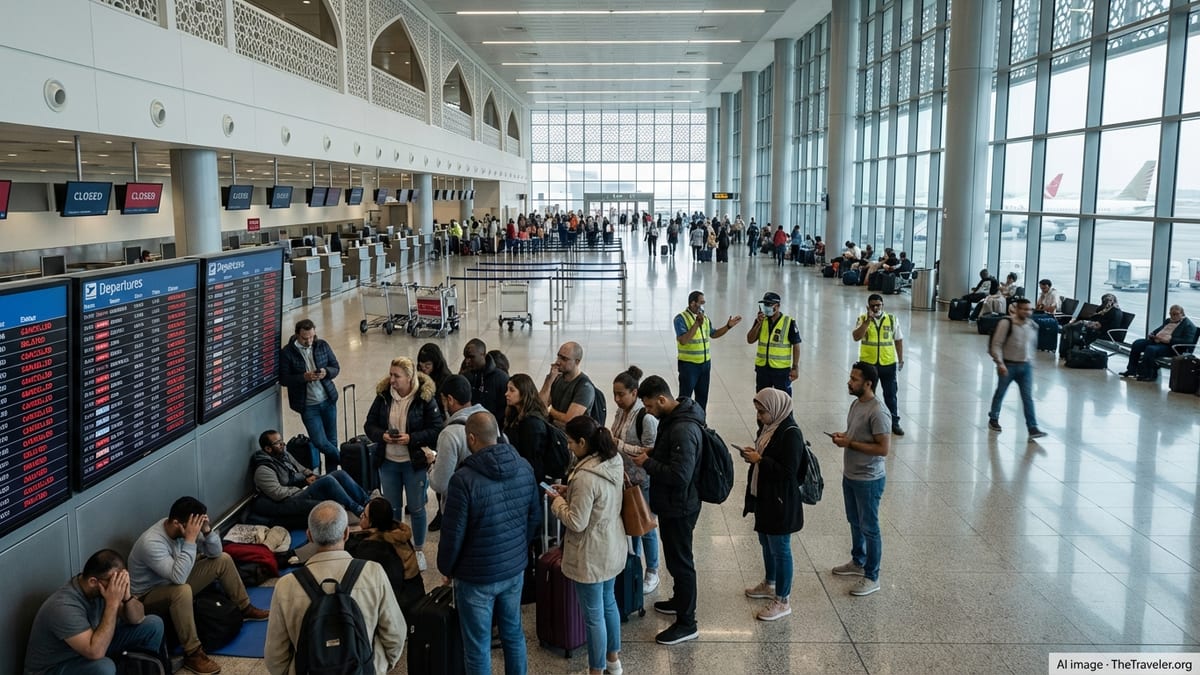
Wave of Disruptions Across Domestic and International Routes
Live departure and arrival boards for Keflavik on Saturday indicate a crowded list of rescheduled services, with hold-ups ranging from modest timetable slips to multi hour delays. While precise timings fluctuate through the day, the pattern points to a sustained period of operational strain rather than an isolated incident confined to a single flight or airline.
The disruption is affecting both outbound and inbound links between Keflavik and major European hubs, including flights serving London and Copenhagen, as well as key transatlantic services that rely on Iceland as a connecting waypoint. Regional flights tying the country’s main international gateway to Akureyri and other domestic points are also seeing knock on effects, underscoring how quickly disruption at Keflavik can spread across Iceland’s broader network.
Publicly available information on Icelandair’s route map confirms the carrier’s central role at Keflavik, with the airline using the airport as its primary hub for connections between North America and Europe. When several of its departures or arrivals are delayed or cancelled on the same day, the impact is multiplied for connecting passengers who depend on tight transfer windows through Reykjavik.
Possible Drivers: Weather, Congestion and Staffing Pressures
No single cause has been publicly identified for Saturday’s series of delays and cancellations, but recent coverage and aviation notices highlight a mix of familiar pressures that can quickly disrupt operations at Keflavik. The airport sits in a harsh North Atlantic environment where shifting winds, low clouds and rapidly changing conditions can force last minute schedule changes and longer turnaround times.
Earlier this spring, published reports on Keflavik described episodes of significant disruption linked to storm systems that brought strong winds and poor visibility, forcing airlines to trim schedules and hold aircraft on the ground. Those accounts emphasized how sensitive the tightly choreographed hub operation can be when long haul arrivals, regional departures and ground handling teams all depend on short weather windows to keep movements flowing.
Industry updates have also pointed to infrastructure and staffing pressures in and around Icelandic airports, including construction work on aprons and lighting systems and intermittent concerns about staffing levels at peak times. Even when those projects and staffing adjustments are planned in advance, they can limit flexibility on days when traffic levels remain high and leave airlines with fewer options to recover from earlier delays.
Impact on Travelers to Reykjavik, Akureyri, London and Copenhagen
For travelers, the immediate consequences of Saturday’s disruption are felt in longer waits at gates, missed connections and compressed itineraries upon arrival. Routes linking Keflavik with Reykjavik’s metropolitan area, Akureyri in the north and major European capitals form the backbone of Iceland’s air network, so any concentration of delays and cancellations on these corridors quickly ripples out to tour operators, hotels and onward transport providers.
Passengers bound for London and Copenhagen are particularly exposed when multiple flights in and out of Keflavik are pushed back or removed from the schedule, as these cities function both as destination markets and as onward connection points for travel deeper into Europe. Domestic passengers connecting through Keflavik between Reykjavik area services, Akureyri and other Icelandic airports may also face rebookings or overnight stays when the timing of international arrivals no longer lines up with regional departures.
Online travel forums and recent case studies of similar events at Keflavik illustrate how even short delays can cause travelers to miss onward flights if minimum connection times are tight. In those situations, rebooking options can be constrained by Iceland’s relatively small pool of daily departures on certain routes, which makes every cancelled or significantly delayed flight more consequential than it might be at a larger continental hub.
Keflavik’s Growing Role Increases Sensitivity to Disruption
The latest turbulence at Keflavik comes as the airport continues to expand its role as a North Atlantic hub. Route planners and schedule data for spring and summer 2026 show new seasonal links and increased frequencies to multiple European destinations, reinforcing Keflavik’s importance as Iceland’s primary international gateway and a convenient midpoint between North America and Europe.
Recent traffic statistics published by Icelandic aviation authorities indicate that Keflavik handles the vast majority of the country’s international passengers, with several hundred thousand travelers passing through the airport in a typical month. Domestic airports at Reykjavik and Akureyri, while important for internal connectivity and regional tourism, manage a far smaller share of total traffic, which concentrates the burden of irregular operations at Keflavik when problems arise.
Analysts observing the hub’s development note that as more airlines and destinations are added, the system becomes both more attractive to travelers and more susceptible to cascading effects when a cluster of flights is delayed or cancelled. Complex banks of arrivals and departures are designed to maximize connection opportunities, but they also mean that a disruption in one part of the schedule can quickly spread across multiple routes and time zones.
Advice for Passengers Navigating Ongoing Irregular Operations
Given the current pattern of delays and cancellations, publicly available guidance from airlines and travel advisors consistently stresses the importance of monitoring flight status closely before heading to Keflavik. Many carriers provide real time updates through their own channels and airport displays, which can change several times in the hours leading up to departure.
Travel planners recommend building extra time into connections through Reykjavik, particularly during late spring and early summer when traffic volumes rise and weather can remain changeable. Travelers who have linked itineraries involving domestic legs to or from Akureyri, as well as onward connections in London or Copenhagen, may wish to choose slightly longer layovers to reduce the risk that a modest delay on one segment jeopardizes the rest of the journey.
Recent experiences shared by passengers also suggest practical steps such as carrying essentials in hand luggage, confirming hotel and tour booking flexibility, and being prepared for potential schedule changes on short notice. While the majority of flights at Keflavik still operate close to schedule, the cluster of 18 delays and six cancellations on May 23 serves as a reminder that even a relatively small disruption can have wide ranging effects at one of the North Atlantic’s most important air hubs.