


More news on this day
Recent itineraries and destination marketing around the Elbe are helping to reframe the river cruise between Potsdam and Dresden as one of Germany’s most concentrated cultural travel experiences, combining royal palaces, baroque cityscapes and wine country within a single route.
Get the latest news straight to your inbox!
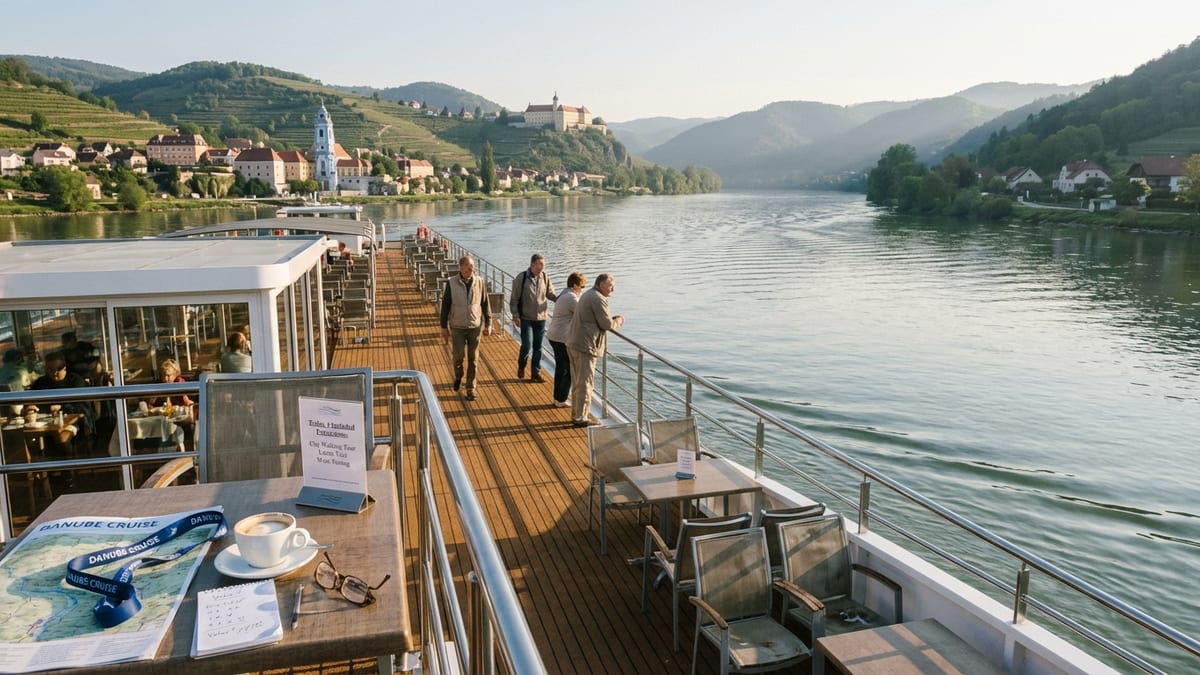
A Compact Corridor of German History on the Elbe
Tourism boards and cruise operators are increasingly presenting the Elbe stretch between Potsdam and Dresden as a cultural corridor in its own right, rather than just one leg on longer Berlin to Prague sailings. Official destination content highlights the route’s blend of river scenery with historic cities, palaces and UNESCO-listed sites, positioning it alongside better-known German river itineraries on the Rhine and Danube.
Germany’s national tourism portal now promotes the Potsdam to Dresden leg as a “memorable and magical” segment within its river cruise inspiration, noting that this portion of the Elbe and connected waterways gives travelers a very different vantage point on the country compared with overland touring.
Several cruise programs endorsed by museums, universities and cultural travel specialists feature a similar spine, typically linking Berlin and Potsdam with Magdeburg, Wittenberg, Meissen, Dresden and on to the Czech border or Prague. Publicly available itineraries emphasize that the river route allows passengers to trace narratives from medieval Saxony and Reformation history through Prussian court culture and 20th‑century reconstruction, with shore excursions expanding on each theme.
For travelers, the result is a relatively short cruise that strings together multiple “headline” cultural stops, while still maintaining the slow pace and village access that distinguish river travel from large-ship ocean cruising.
Potsdam and the Prussian Court at the Northern Gateway
Potsdam serves as the northern anchor for many Elbe and Havel-based sailings, and current tourism materials underscore why. The city’s palace parks and royal residences, particularly Sanssouci, rank among Germany’s most visited cultural landscapes. River-focused itineraries use nearby Berlin as an air gateway but frame Potsdam as the point where the cruise transitions from metropolitan skyline to landscaped riverbanks.
Recent river cruise brochures highlight guided visits to palace complexes and gardens as included or optional excursions, underlining Potsdam’s role in illustrating Prussian power and enlightenment-era tastes. Operators point out that cruising into or out of the city via the Havel gives passengers extended views of lakes, bridges and villas that are difficult to combine in a single day by land.
Background documents for themed Elbe journeys, including educational and alumni programs, show that Potsdam’s cultural weight is a consistent foundation for these routes. Many schedules allocate at least one full day here before ships turn south toward the Elbe proper, allowing time for museums and park walks before passengers settle into the cruise rhythm on narrower stretches of river.
This focus is contributing to Potsdam’s growing reputation not just as a side trip from Berlin, but as a ceremonial gateway to the cultural landscapes of Brandenburg and Saxony that unfold downstream.
Dresden Elbland: Baroque Capital Meets Wine Country
At the southern end of the route, Dresden and its surrounding Elbland region are emerging as key reasons travelers choose this particular cruise over other German rivers. Regional tourism reporting portrays Dresden Elbland as a destination where baroque architecture, hillside vineyards and historic river steamers share the same Elbe setting, and where visitors are encouraged to slow down rather than treat the area as a brief stop on the way to Prague.
Destination overviews describe a concentration of cultural institutions, from the rebuilt Frauenkirche and world-class museums to major annual events like the Dresden Music Festival and open-air film nights along the river. These recurring festivals are used in current marketing to underline the idea that Dresden offers cultural programming throughout the year, which cruise passengers can experience when itineraries coincide with performance dates.
Alongside the city itself, tourism information promotes the river’s flanking wine terraces and historic towns as an extension of the cultural story. Visitors are encouraged to explore Germany’s northeastern wine region via vineyard walks and tastings, pairing Elbe views with regional cuisine in village restaurants. River cruises frequently combine Dresden city tours with optional excursions upriver or downriver by historic paddle steamer to palaces such as Pillnitz, using the shipping schedule of the local fleet to demonstrate how seamlessly culture and landscape are linked here.
This combination of baroque skyline, living wine culture and preserved river shipping heritage is increasingly highlighted as a signature of the Potsdam to Dresden corridor, setting it apart from other European river cruise routes that may lack such an integrated urban and rural cultural environment.
Cruise Lines, Itineraries and Seasonality
Published itineraries from major European river cruise brands and smaller regional operators confirm that the Potsdam to Dresden line has become a backbone of many Elbe-based products. Companies with a long history on German rivers list the Elbe alongside the Rhine, Main and Danube, and recent catalogues for 2026 and 2027 include routes that sail between Berlin or Potsdam and Dresden, often continuing onward to Prague via the Vltava.
Some operators emphasize specialist vessels designed for the Elbe’s shallower waters, describing paddle-driven ships and hybrid itineraries that combine river sections with short overland transfers when needed. This approach enables them to maintain multi-country cultural programs linking Berlin, Saxon cities and Prague, even in seasons when water levels fluctuate. Marketing materials underline that the river portion between Potsdam and Dresden remains one of the most scenic and historically dense stretches of the journey.
Seasonal schedules show that the corridor is active from spring through early autumn, with peak departures aligned with milder temperatures and longer daylight. Regional passenger shipping timetables around Dresden confirm frequent day sailings in 2026 between the city and nearby Elbe towns, indicating robust demand for river-based sightseeing alongside the multi-day cruise segment.
Pricing comparisons and consumer discussions suggest that travelers can choose between premium international lines and more locally oriented German or French brands on this route. While onboard atmospheres differ, many core cultural excursions overlap, reinforcing the sense that the river itself and its historic cities are the primary draw.
Why the Route Is Being Framed as a “Complete” Cultural Trip
As river cruising matures, the Potsdam to Dresden segment is benefiting from a wider push to market itineraries as thematically coherent experiences rather than collections of unconnected stops. Publicly available route descriptions increasingly talk about “cultural journeys” through Brandenburg and Saxony, with specific references to art, architecture, music and literature in each port.
In this context, the density of heritage sites along the Elbe has become a competitive advantage. The same brochures and destination pages that promote Sanssouci’s parks, Dresden’s museum quarter, Meissen’s porcelain heritage and the vineyard landscapes of Elbland encourage travelers to view the route as a compact survey of central European history. Educational tour operators further support this positioning by structuring lectures and guided walks around themes such as the Reformation, baroque court culture and postwar reconstruction.
At the same time, recent tourism reporting from Dresden Elbland stresses everyday cultural experiences beyond headline monuments, including neighborhood dining, contemporary arts venues and riverside cycling paths. When combined with shore time in Potsdam’s parks and smaller Elbe towns, these elements help the cruise function not only as a historical overview but as a snapshot of how the region lives with its heritage today.
With more lines adding or refining Berlin–Potsdam–Dresden sailings in their 2026 and 2027 programs, the Elbe corridor between these two cities is increasingly presented as one of Germany’s most self-contained cultural river journeys, offering travelers a high ratio of experiences to cruising days without sacrificing the unhurried character that defines river travel.
Germany Travel: River cruises overview and Elbe inspiration
Visit Dresden Elbland: Culture and nature along the Elbe