


More news on this day
A regional PSA Airlines service operating as Flight OH5069 diverted to Pensacola, focusing renewed attention on how weather, congestion and routing decisions can rapidly reshape travel plans along the U.S. Gulf Coast.
Get the latest news straight to your inbox!
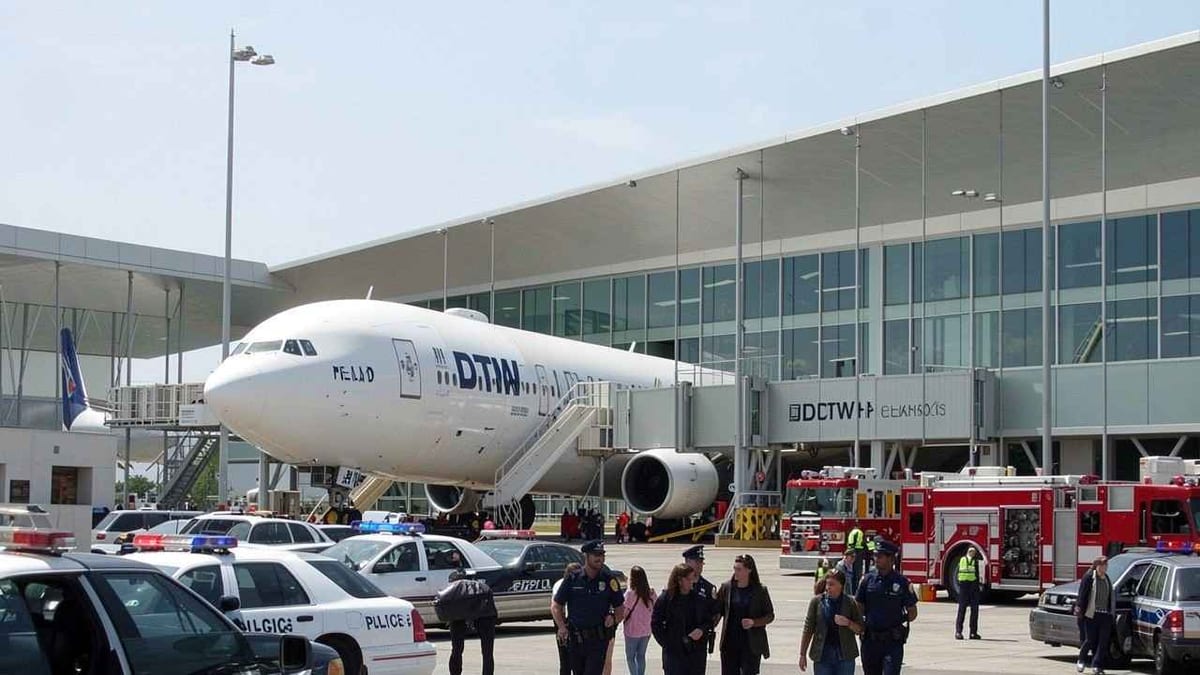
Regional Flight Diverted Along the Gulf Coast Corridor
Publicly available flight-tracking data indicate that PSA Airlines Flight OH5069, a regularly scheduled regional service in the American Eagle network, was rerouted to Pensacola International Airport instead of reaching its intended destination. The diversion unfolded along the busy Gulf Coast air corridor, where localized weather, airspace congestion, or operational constraints can quickly alter flight paths.
Flight listings show OH5069 routinely operating between cities in Florida, including service associated with Tallahassee International Airport. Schedule data also link the OH5069 designation with Pensacola International Airport, where the aircraft ultimately landed. While the precise operational trigger for the diversion has not been detailed in public reports, the outcome for passengers was a shift in arrival point to Pensacola rather than the planned endpoint.
Such diversions are designed to maintain safety margins and provide a reliable alternate when conditions along the route or at the destination no longer meet airline or air traffic requirements. For travelers, that often means extended time on board, new ground arrangements, and last minute changes to onward connections.
Pensacola International Airport serves as a regional hub for multiple carriers, including PSA Airlines, which operates a notable share of the airport’s passenger traffic. That role positions the airport as a logical alternate for flights experiencing en route disruptions in the broader Gulf region.
Pensacola’s Role as an Alternate Airport
Pensacola International Airport sits in a strategic location on Florida’s panhandle, making it an important diversion option for flights crossing the northern Gulf of Mexico. The facility handles a mix of mainline and regional services and is familiar to many carriers whose routes crisscross Florida and the southeastern United States.
Aviation records highlight that Pensacola has occasionally accommodated unscheduled arrivals in the past, including diversions linked to weather conditions elsewhere in the region. Its runway configuration, available ground services, and proximity to other Florida and Gulf Coast cities make the airport suitable for taking in aircraft that need to vacate busy or weather-affected airspace.
For airlines, the choice of Pensacola as an alternate reflects both geography and infrastructure. The airport’s ability to manage additional aircraft on short notice supports operational resilience, helping carriers minimize airborne holding times and reduce the risk of extended delays for passengers.
For travelers, however, arriving at Pensacola instead of the planned destination can require rapid adjustments. Ground transport, hotel stays and rebooked onward flights may all come into play, depending on how quickly normal operations can resume and whether the aircraft is able to continue to its original endpoint later in the day.
How Diversions Fit Into U.S. Airline Operations
In the United States, diversions like that of Flight OH5069 represent a small but expected fraction of overall commercial operations. Federal data show that only a minor percentage of scheduled flights each year are diverted, compared with those that operate on time, are delayed, or canceled entirely.
Causes for diversions can include sudden deterioration of weather at the destination, runway closures, medical situations on board, or air traffic control initiatives that restrict arrivals into a specific airport. Airlines file alternates and contingency fuel into their flight plans so that crews can divert if conditions change after departure.
Regional airlines such as PSA, which operate many shorter sectors for major carriers, are especially sensitive to fast changing weather and traffic patterns, because their flights often connect smaller cities and rely on tight schedules. A single disruption can ripple through multiple departures and arrivals, making a safe and timely diversion preferable to extended airborne delays.
For passengers on a diverted flight, the most immediate impacts are schedule uncertainty and potential missed connections. However, diversions are structured to preserve safety margins and to bring the aircraft to an airport where maintenance, ground services, and alternative travel options are available.
What the Diversion Means for Travelers
Travelers booked on PSA Airlines Flight OH5069 faced the familiar challenge of reworking plans after the unplanned stop in Pensacola. Depending on their final destinations, some passengers likely waited for the aircraft to refuel and reposition, while others may have been rebooked on later flights or shifted to ground transport.
Public information on similar cases shows that when diversions occur within a relatively short distance of the original destination, airlines often coordinate buses, rental cars or intra-state flights to move passengers the rest of the way. The chosen approach typically depends on the timing of the diversion, crew duty limits, and airport resources at both the diverted and destination airports.
For those traveling through Florida’s panhandle, the experience also highlights the importance of allowing extra flexibility into itineraries that involve connections, particularly during seasons when thunderstorms or coastal weather can disrupt operations. Travel analysts often advise leaving wider connection windows and monitoring flight status closely on days when weather systems affect multiple airports along the Gulf Coast.
While unexpected, diversions can occasionally place travelers in a city they had not planned to visit. Pensacola, with its beaches, historic downtown and proximity to other Gulf Coast destinations, may offer opportunities for unplanned stopovers if onward travel is significantly delayed.
Broader Context for PSA Airlines and Gulf Coast Flying
PSA Airlines operates as a regional carrier within the American Airlines network, linking smaller and mid-sized communities with major hubs across the eastern United States. Its services are a key element in sustaining connectivity between state capitals, business centers and leisure destinations in Florida and neighboring states.
Along the Gulf Coast in particular, regional flights like OH5069 provide essential links where surface travel can be time consuming. These routes often operate several times a day, moving business travelers, government officials, students and leisure passengers between cities such as Pensacola and Tallahassee.
Events like the diversion of Flight OH5069 underscore how this regional system remains vulnerable to localized weather patterns and airspace constraints that are common around the Gulf of Mexico. At the same time, the system is built with redundancies, from alternate airports such as Pensacola to flexible scheduling and fleet management practices that help restore normal operations once conditions improve.
For travelers planning upcoming trips in the region, the episode serves as a reminder to stay informed about developing weather, to use airline and airport notification tools, and to build contingency time into itineraries. Even short regional hops can be affected by the complex operational environment that shapes modern air travel across the Gulf Coast.