


More news on this day
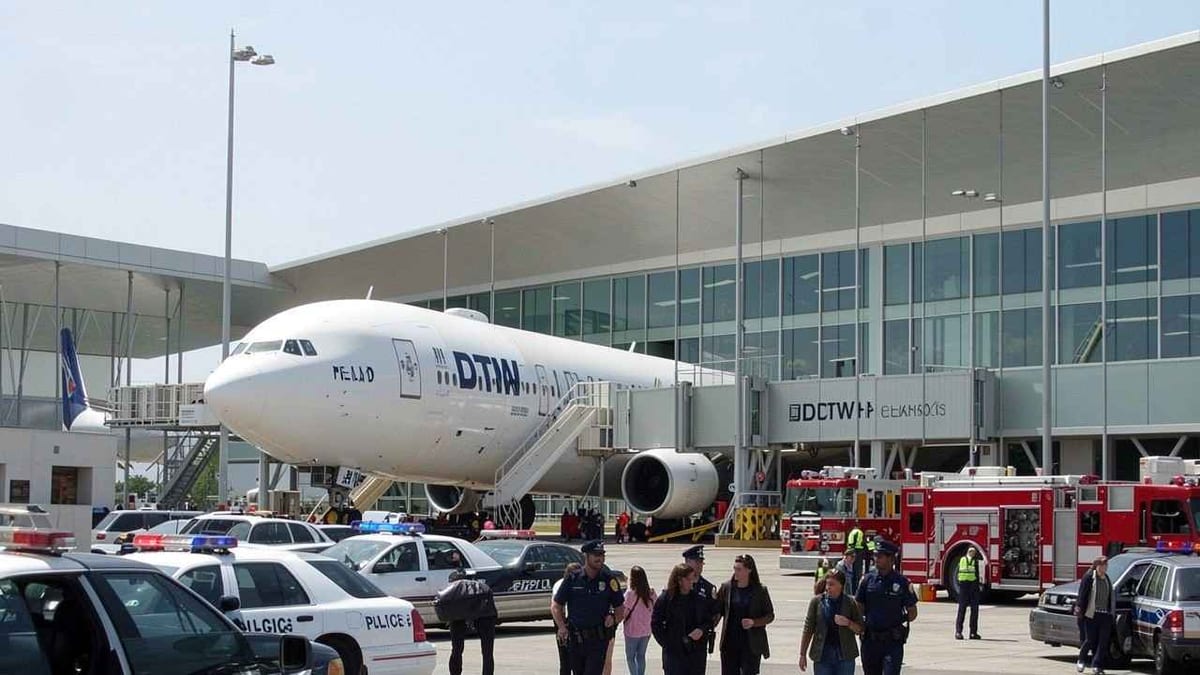
Passengers on a PSA Airlines-operated American Eagle service between Charlotte and Nashville faced an unexpected disruption when the flight diverted shortly after departure and ultimately returned to Charlotte Douglas International Airport, according to publicly available flight-tracking and airport data.
Get the latest news straight to your inbox!
Unexpected Turn on a Routine Regional Route
The affected service was operating between Charlotte Douglas International Airport in North Carolina and Nashville International Airport in Tennessee, a short hop that is typically completed in under one hour. Instead, the flight’s path was cut short when the aircraft altered course midjourney and headed back toward Charlotte, where it landed safely after the diversion.
Publicly available tracking information shows the aircraft departed Charlotte, climbed away from the airport as normal, then leveled off and turned back rather than continuing west toward Nashville. Arrival data indicates the aircraft touched down in Charlotte after a relatively brief time in the air, suggesting the diversion decision was made early in the flight.
No official technical or operational cause was immediately listed in publicly accessible systems at the time of writing. Industry observers note that common drivers for such mid-route returns can include mechanical indications in the cockpit, evolving weather along the route, or crew-related limitations that develop after departure.
For passengers expecting a quick connection between two major Southeastern hubs, the unscheduled return meant missed onward flights, disrupted weekend plans, and an extended wait for alternative arrangements at Charlotte Douglas.
Charlotte and Nashville Traffic Under Pressure
The diversion unfolded against a broader backdrop of operational strain at Charlotte Douglas, one of American Airlines’ primary hubs and a major base for regional affiliate PSA Airlines. Recent weather disruptions and air-traffic constraints have increased delays and prompted ground stops at the airport, adding complexity for regional operations that rely on tight scheduling and quick turnarounds.
Charlotte serves as a primary connecting point for travelers heading throughout the Southeast and Mid-Atlantic, while Nashville has emerged as one of the busiest airports in the region, with several hundred monthly flights linking the city to key domestic hubs. When irregular operations occur between the two, the ripple effects can quickly spread across multiple routes and carriers.
Regional jets on this corridor typically operate multiple segments per day, so an unplanned diversion can remove both the aircraft and crew from the schedule for several hours. That, in turn, can lead to rolling delays for later flights as dispatchers work to reposition aircraft, reassign crews, and slot replacement services into already crowded departure banks.
In this case, available schedule information suggests subsequent departures between Charlotte and Nashville remained tight, making same-day rebooking more difficult for some travelers than on a less heavily used route.
Passenger Rebooking and Onward Connections
After the aircraft returned to Charlotte, passengers faced the familiar cascade of travel challenges that follow any mid-flight diversion. With the original flight effectively terminated back at its point of origin, travelers were directed to seek rebooking through digital channels, airport kiosks, and customer-service desks, according to typical airline procedures for disrupted domestic services.
For those with onward connections beyond Nashville, the immediate question became whether itineraries could be re-routed through other American Airlines hubs such as Dallas Fort Worth or through alliance partners on alternate pathways. Some passengers were likely offered later same-day or next-day flights into Nashville, depending on seat availability and crew constraints.
Travel experts often advise passengers in this kind of situation to move quickly to secure new options, using both the airline’s mobile app and in-airport resources in parallel. In high-demand markets like Nashville, peak periods can see remaining seats snapped up rapidly once a disruption appears in the system.
Hotel accommodations and meal support for affected travelers depend on the stated reason code for the diversion. When a return is attributed to factors such as weather or air-traffic management, compensation policies may be more limited than in cases where a controllable mechanical issue is clearly documented.
PSA Airlines’ Growing Role in Charlotte Operations
The incident also highlights PSA Airlines’ prominent role in feeding traffic through Charlotte. The wholly owned regional affiliate of American Airlines operates under the American Eagle brand and has been increasing its presence at Charlotte in recent years, with plans to consolidate more of its corporate and training functions there.
Regional carriers like PSA connect Charlotte to dozens of mid-sized and smaller markets across the eastern United States, including frequent services to cities such as Nashville. These flights are critical to American’s network strategy, funneling passengers into long-haul routes and sustaining high-frequency service on shorter legs where mainline aircraft would be uneconomical.
Because regional operations often run at tight utilization levels with smaller fleets, a single aircraft’s diversion can carry disproportionate scheduling implications. Maintenance inspections following an in-flight return, even when no serious fault is found, can sideline a jet long enough to force cancellations or substitutions on later departures.
Observers note that as Charlotte’s traffic grows and Nashville’s schedule becomes more crowded, both airports remain sensitive to small disruptions that can rapidly cascade, especially during peak travel seasons and volatile weather patterns across the Southeast.
What Travelers Should Watch For After a Diversion
For travelers booked on upcoming PSA-operated flights between Charlotte and Nashville, publicly posted operational data suggests no lasting suspension of service on the route. However, the diversion serves as a reminder that short-haul itineraries are not immune to mid-flight changes, even on familiar, high-frequency corridors.
Passengers planning to fly between the two cities in the coming days are encouraged, by many travel advisors, to monitor their flight status closely on the day of departure and to pay attention to gate announcements and app notifications that may indicate crew reassignments, aircraft swaps, or schedule adjustments.
Those with tight connections can reduce risk by building longer layovers into complex itineraries or selecting earlier departures when possible, leaving room to recover from short delays. Travel insurance policies that specifically cover missed connections and overnight accommodations may also be worth reviewing for frequent flyers on busy regional routes.
While diversions and returns are disruptive, aviation safety data consistently shows that early-return decisions, conservative maintenance policies, and strict crew-duty rules are all structured to prioritize safety over schedule. For passengers on the Charlotte to Nashville corridor, the recent PSA incident is the latest example of how those safeguards can reshape a routine flight into an unexpected detour back to the gate.