


A weekend ride quickly transforms into a protracted liability dispute when an unseen crossover driver forces a sudden evasive maneuver. Riders focus extensively on mechanical preparation while ignoring the forensic realities of a severe collision.
Evidence on remote mountain curves vanishes within hours. Adjusters dispatch investigators immediately to build favorable narratives before medical transport even arrives. Proper trip planning requires fortifying the eventual claim just as meticulously as checking tire pressure. In 2021, there were 5,932 motorcyclists killed, 14 percent of all traffic fatalities, an increase of 8 percent from 2020.
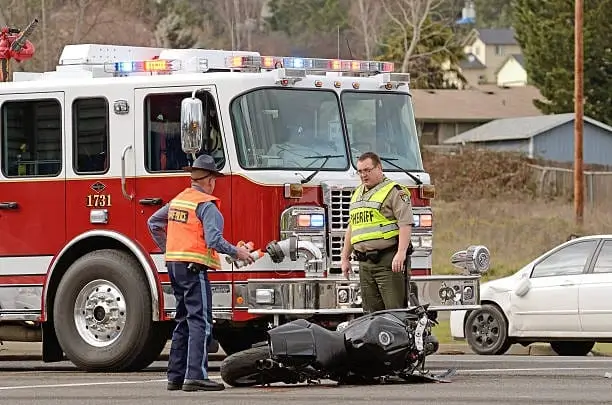
The Hidden Risks Of Rural Elevation
Blind corners along the Cherokee Foothills Scenic Highway create distinct challenges for recreational riders. A rider rounding a tight bend often encounters passenger vehicles crossing the centerline. These interactions leave minimal reaction time. Evasive maneuvers usually result in the bike leaving the roadway completely.
According to the National Highway Traffic Safety Administration, 24 percent of motorcycles involved in fatal crashes collide with fixed objects. When a solitary accident occurs without witnesses, proving the presence of an intruding vehicle becomes mathematically complex. Certain geographic factors actively work against the injured rider:
- A complete lack of paved shoulder space forces riders into immediate off-road excursions during an emergency.
- Dense roadside tree lines severely obscure sightlines, giving motorists a false sense of an empty road.
- Inconsistent surface traction on mountain passes drastically prolongs the required stopping distances for two-wheeled vehicles.
Law enforcement arriving hours later routinely document the incident as a single vehicle failure to control speed. Reversing that narrative requires immediate action.
The Evidence Window
Securing collision data demands extreme speed. Debris fields get kicked into the shoulder by passing traffic. Skid marks fade rapidly. Engaging a South Carolina motorcycle accident lawyer, embodied by Stewart Law Offices, a 2026 Best Personal Injury Law Firm award-winning practice, aims to protect available evidence. Legal representatives deploy reconstruction specialists to measure yaw marks before the weather washes them away.
High elevation passes on US Highway 178 lack consistent cellular service. This geographic reality delays immediate police dispatch and leaves the scene unsecured. "Adjusters routinely dispatch investigators to accident scenes along rural curves within hours to measure skid marks, building a speed narrative before the rider even receives an initial diagnosis," remarked Brent Stewart, a South Carolina motorcycle accident attorney.
Action speaks louder than memory. Photographic evidence captured by bystanders provides the only reliable defense.
The Mechanics Of Comparative Negligence
South Carolina operates under a modified comparative fault system. This standard is rigid. The framework dictates that an injured party recovers damages only if their assigned fault remains below 51 percent. Insurance carriers ruthlessly exploit this standard to minimize financial exposure. A simple traffic violation complicates the recovery process.
Helmet Laws And Liability Shifts
State statutes mandate helmet usage only for operators under 21 years old. However, carriers frequently argue that an adult rider's decision to ride bareheaded constitutes unreasonable negligence. Adjusters attempt to shift focus away from the driver who caused the wreck. They argue the rider failed to mitigate their own damages.
The Lane Splitting Prohibition
Moving through heavy traffic by riding between lanes is strictly prohibited. If an incident happens while a motorcyclist attempts to bypass congestion on busy routes like Interstate 26, the defense immediately cites this violation as the primary proximate cause. This tactic effectively neutralizes the initial negligence of the other motorist.
Medical Documentation Outweighs Roadside Memory
Severe trauma requires extensive clinical intervention. Patients transported to facilities like Prisma Health Greenville Memorial Hospital generate massive billing records that require perfect organization to prove economic damages. When juries evaluate clinical data, subjective pain testimonies carry far less weight.
Riders often refuse transport because adrenaline masks structural damage. A hairline fracture disguised as a bruise worsens overnight. Seeking an emergency evaluation establishes a definitive timeline connecting the impact to the diagnosis. According to the National Safety Council, 65 percent of motorcyclist fatalities occur on urban roads, highlighting dangers even when trauma centers sit nearby.
Precision in medical coding impacts the claim's valuation. Vague physician notes provide adjusters justification to deny therapy requests.
Insurance Tactics That Target Riders
Carriers aggressively manage motorcycle claims because the resulting injuries usually involve catastrophic monetary values. Adjusters leverage specific strategies to secure binding admissions of fault during the initial chaos. They count on the rider's unfamiliarity with the claims process. Protective measures must begin immediately.
Early Settlement Offers
A fast check often appears within days of the incident. This initial proposal never accounts for future surgeries, ongoing physical therapy, or permanent impairment. Signing the attached release permanently closes the case. Patients forfeit all rights to pursue further compensation once the ink dries.
The Recorded Statement Trap
Call center representatives frame recorded interviews as a mandatory step for processing property damage. They deploy strategically confusing questions designed to elicit apologies. Riders attempting to sound cooperative inadvertently ruin their own legal standing. Declining this interview prevents the creation of adverse audio evidence.

Preserving The Procedural Timeline
Courts demand absolute adherence to filing deadlines. A claim filed at the Greenville County Courthouse follows a rigid procedural schedule that punishes delays. Missing a statutory window extinguishes the right to recovery. Time operates as the opposition's most potent weapon.
Analyzing crash data from the South Carolina Department of Transportation shows that 54 percent of motorcycle fatal and serious injury wrecks happen between Friday and Sunday. Weekend collisions mean riders wait until Monday to report the incident, giving defense teams a three-day head start.
Questions About A Safe Motorcycle Road Trip
How does an out-of-state license affect a collision claim in South Carolina?
Operating with a valid endorsement from another jurisdiction satisfies local licensing requirements. The recovery process proceeds under South Carolina liability laws regardless of domicile. Tourists face the same comparative negligence standards as permanent residents.
What happens if the at-fault motorist lacks adequate liability coverage
Riders must turn to their own uninsured or underinsured motorist policies when the responsible driver carries insufficient liability limits. This coverage bridges the gap between actual medical costs and inadequate policies. Proper preparation includes verifying these specific limits beforehand.
Can a passenger file a separate claim against the motorcycle operator
Passengers hold the right to pursue compensation from any negligent party involved. If the person operating the motorcycle contributed to the collision, the passenger may file a claim against that specific insurance policy. This action functions independently from other claims.
This content is for informational purposes only and does not constitute legal advice. Readers should consult a licensed attorney for guidance specific to their situation.