

More news on this day
Australia has raised its travel advice for Qatar to Level 3, placing the Gulf state alongside Bahrain, Israel, Kuwait and the United Arab Emirates in a higher-risk Middle East category, while maintaining uncompromising Do Not Travel warnings for Iran, Iraq, Lebanon, Syria and Yemen amid ongoing regional instability.
Get the latest news straight to your inbox!
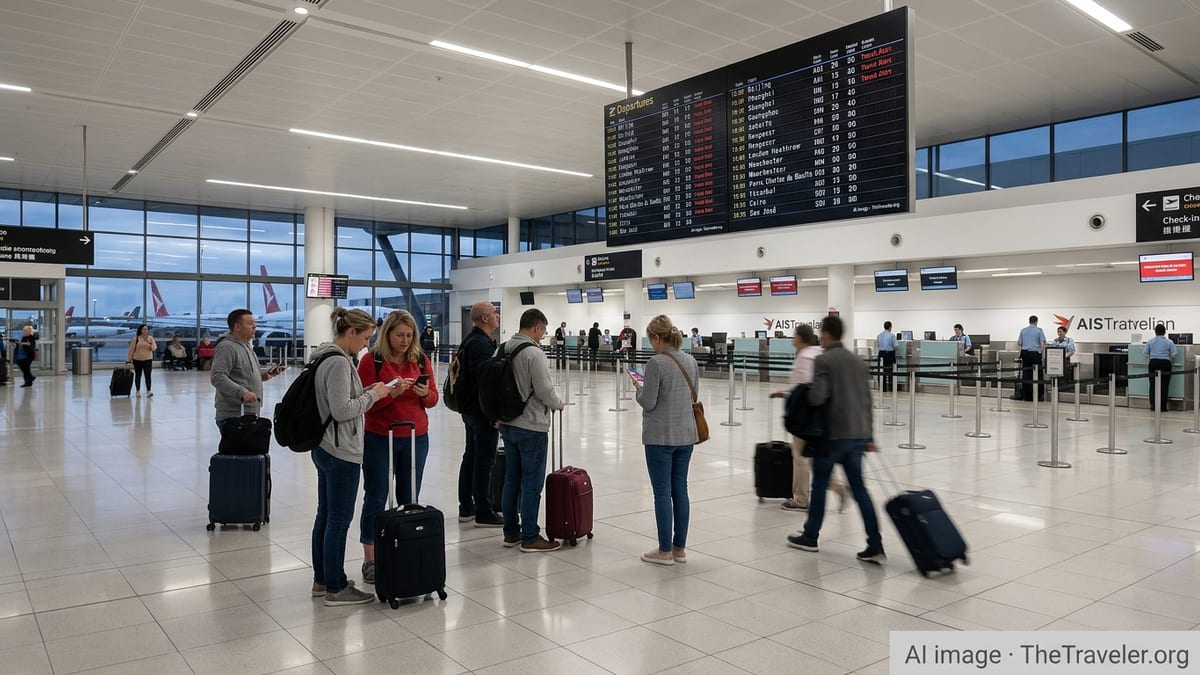
Qatar Joins a Growing List of Middle East Level 3 Destinations
The latest update to Australia’s Smartraveller platform places Qatar in the Level 3 “Reconsider your need to travel” category, aligning it with Bahrain, Israel, Kuwait and the United Arab Emirates in a cluster of Middle Eastern destinations now considered higher risk for Australian travellers. Publicly available travel advice indicates that the change reflects a reassessment of security, geopolitical tensions and aviation risks across the wider region rather than a single isolated incident within Qatar itself.
Level 3 status signals that significant safety and security concerns are present and that non-essential trips should be carefully weighed. The advisory framework used by Australian authorities is designed to respond to fast-changing conditions, and recent conflict-related disruptions, airspace closures and missile incidents across parts of the Middle East have contributed to a more cautious stance on regional travel.
For Qatar specifically, reports highlight its proximity to regional flashpoints, its importance as an aviation hub and the potential knock-on effects of any escalation involving neighbouring states. While Qatar continues to host major airlines and large-scale transit traffic, the revised advice underscores that travellers need to keep contingency plans in place and monitor updates closely.
The shift also means that most of the Gulf’s major air hubs now sit at comparable advisory levels, creating a more complex landscape for travellers who previously relied on the region solely as a convenient transit corridor between Australia, Europe, Africa and Asia.
Persistent Level 4 Do Not Travel Warnings Across the Region
In contrast to the Level 3 rating now applied to Qatar, Bahrain, Israel, Kuwait and the UAE, Australia continues to issue its most severe Level 4 Do Not Travel warnings for Iran, Iraq, Lebanon, Syria and Yemen. Public information from government travel portals and regional risk briefings points to a combination of armed conflict, terrorism threats, civil unrest, arbitrary detention risks and severely constrained consular access in these countries.
In Iran and Iraq, periodic flare-ups, missile exchanges and proxy confrontations have affected both national territory and surrounding airspace. Travel-risk assessments describe a volatile environment in which security incidents can occur with little warning, and where foreign nationals may face additional scrutiny or movement restrictions. Similar concerns surround Lebanon, where spillover from wider regional tensions and instability along border areas have kept travel risk at elevated levels.
Syria and Yemen remain among the most dangerous destinations in the world for civilian travel. Long-running conflicts, fragmented control on the ground and damaged infrastructure create conditions in which basic services, medical care and reliable transport are far from guaranteed. In many areas, the ability of foreign governments or aid organisations to assist travellers is extremely limited, reinforcing the rationale for the strongest possible travel warning.
The persistence of these Level 4 ratings illustrates a two-tier regional environment: some states remain accessible with heightened caution, while others are effectively off-limits for tourism and non-essential business travel due to the scale and unpredictability of the security threats they face.
What Level 3 Means for Travellers Using Gulf Hubs
For many Australians, Gulf hubs such as Doha, Dubai, Abu Dhabi, Manama and Kuwait City function primarily as transit points rather than final destinations. With Qatar now in the Level 3 category, journey planning has become more complicated, particularly for travellers whose itineraries connect through several Middle Eastern airports.
Level 3 advisories typically urge travellers to reconsider their need to go, secure comprehensive travel insurance and prepare for potential disruption. For transit passengers, this can include allowing longer layovers to accommodate last-minute schedule changes, being ready for rerouting or overflight restrictions, and understanding airline policies on cancellations and diversions linked to regional security events.
Published aviation and risk analyses in recent months have documented waves of flight cancellations and diversions when airspace over parts of the Middle East has been temporarily closed. These episodes have demonstrated how quickly a localised incident can cascade through interconnected flight networks, affecting travellers far from any active conflict zone.
Travellers opting to proceed via Level 3 destinations are encouraged by public guidance to register their travel details, subscribe to official alerts and regularly revisit advisories in the days leading up to departure. For those with flexible plans, some risk specialists suggest considering alternative routing via Southeast Asia or Europe where feasible, particularly for non-essential trips.
Impact on Tourism, Business Travel and Pilgrimage Routes
The recalibration of Australia’s Middle East travel advice is likely to have differing effects across the tourism, business and religious travel sectors. Qatar and its Gulf neighbours continue to market themselves as stopover destinations, conference hubs and winter-sun getaways, yet a Level 3 rating may prompt some Australians to postpone discretionary holidays or opt for shorter transit-only stays.
For corporate and government travellers, the new alignment of risk ratings across multiple Gulf states may lead to stricter internal approval processes, enhanced duty-of-care procedures and a greater emphasis on third-party security assessments. Companies with staff regularly transiting the region may revisit their preferred hub strategies to balance efficiency with risk exposure.
The changes also intersect with established pilgrimage routes. Many Australians headed to Saudi Arabia for Umrah or Hajj connect through Gulf airports, including Doha. While Saudi Arabia itself is subject to separate country-specific advice, the reclassification of transit hubs may influence group-routing decisions, insurance coverage requirements and contingency planning for organised pilgrim groups.
Destination marketing bodies and airlines operating to and from Australia are expected to monitor the impact on booking patterns. Historically, travellers have sometimes continued to use Level 3 destinations when strong air links and competitive fares are on offer, but shifts in advisory wording and media coverage can still shape perceptions and demand in the short term.
Planning Trips Amid a Volatile Middle East Landscape
The combination of expanded Level 3 advisories and entrenched Level 4 Do Not Travel warnings underscores how dynamic the Middle East risk environment has become for Australian travellers. Publicly available travel advice stresses that conditions can change quickly and that what appears calm at booking time may look very different by the time of departure.
Australians considering travel to or through the region are encouraged by widely circulated guidance to take several precautions: monitor official advisories frequently, obtain robust travel insurance that explicitly covers conflict-related disruption where available, and maintain flexible bookings that can be altered without heavy penalties if the security situation deteriorates.
Independent security analysts note that even travellers who never leave an airport terminal may face unanticipated issues if airspace closures or security alerts lead to extended ground holds or overnight stays. Ensuring access to essential medication, backup funds, and copies of important documents can help mitigate the impact of sudden changes.
While Qatar’s move into the Level 3 category reflects heightened caution rather than a blanket prohibition on travel, it comes against a backdrop of serious, ongoing crises in Iran, Iraq, Lebanon, Syria and Yemen. For Australians planning journeys that intersect with the Middle East, the message from current travel advisories is clear: assess the risks with care, stay informed right up to departure, and be prepared to change course if the regional picture worsens.