


More news on this day
Australian travellers have been handed new flexibility in planning trips through the Middle East, after the federal government moved on 17 June 2026 to ease some of its strictest travel advisories for the region.
Get the latest news straight to your inbox!
Key Gulf and Levant Destinations Move Off ‘Do Not Travel’ List
Publicly available information from the Australian Government shows that travel advice for Bahrain, Israel, Kuwait, Qatar and the United Arab Emirates has been lowered from Level 4 “Do not travel” to Level 3 “Reconsider your need to travel”. The change marks the first significant easing of Australian government warnings for major Middle East hubs since conflict escalated across the region earlier in 2026.
The updated settings mean these destinations are no longer in the highest risk category, although authorities still highlight a volatile security environment and the possibility of further incidents. Australia’s four-tier Smartraveller system ranges from Level 1 “Exercise normal safety precautions” to Level 4 “Do not travel”, with Level 3 signalling that serious safety and security concerns remain.
Even with the downgrade, large parts of the wider Middle East remain under strict advisories. Separate country pages continue to list destinations such as Iran, Iraq, Syria and Yemen at the “Do not travel” level, reflecting ongoing conflict, terrorism risk and limited consular access. The mixed picture underscores that the latest adjustment is targeted rather than a blanket relaxation for the region.
Reports indicate that the revised advice follows a period of reduced cross-border strikes and fewer large-scale attacks affecting aviation and critical infrastructure, although tensions have not fully dissipated. International security assessments still point to the potential for sudden escalation, particularly around flashpoint areas linked to the earlier crisis.
What the New Advice Means for Transit and Long‑Haul Routing
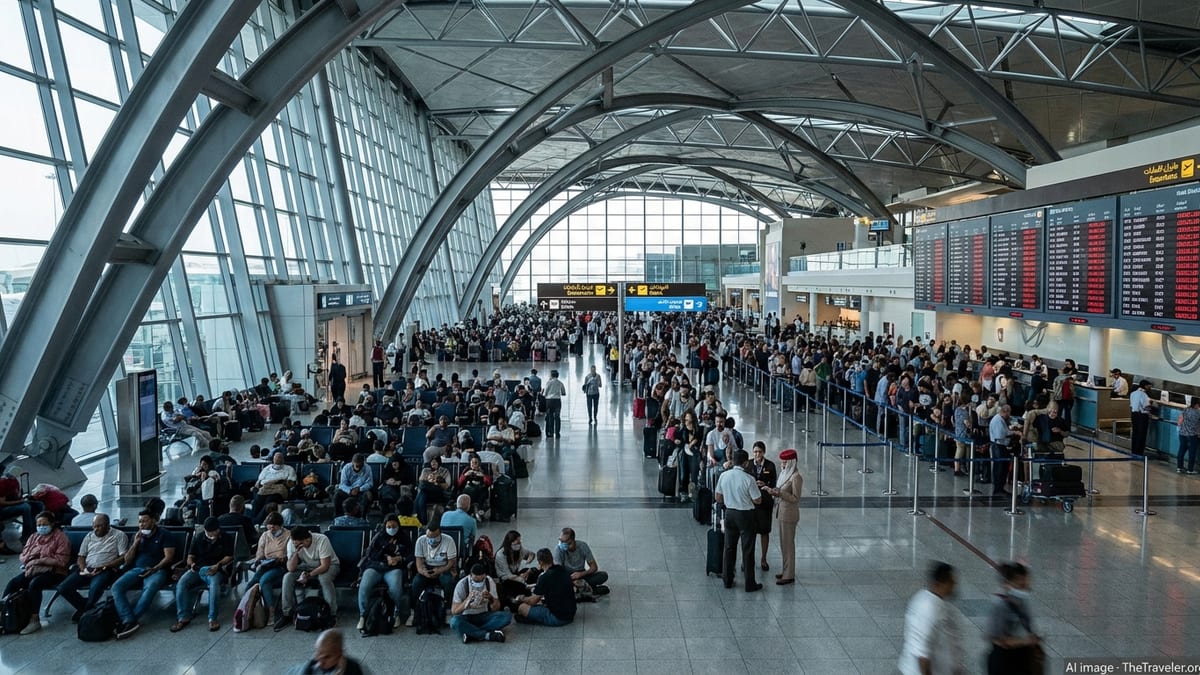
The decision has immediate implications for Australians planning trips to Europe, Africa and beyond, many of whom traditionally route through Gulf and Levant hubs such as Dubai, Abu Dhabi and Doha. When those hubs moved to “Do not travel” earlier this year, airlines and travellers faced widespread itinerary changes, longer routings and, in some cases, cancellations tied to insurance and risk policies.
With travel advice now set at “Reconsider your need to travel” for several major transit points, long‑haul routing options are expected to gradually broaden again. Travel industry commentary suggests that airlines are likely to review schedules and capacity as operational and security assessments evolve, while some passengers may feel more comfortable reinstating connections through the region.
However, the Level 3 rating continues to signal a higher‑than‑usual risk environment. Public guidance stresses that travellers should carefully consider whether their journey is essential, monitor developments closely and remain prepared for changes to flight paths or airport operations at short notice. Aviation advisories for parts of the Middle East still reference the possibility of temporary airspace closures and re‑routing around conflict zones.
For those who do transit through the region, general safety advice continues to emphasise allowing extra time for security checks, staying alert to local announcements at airports and being prepared for delays or last‑minute gate changes. Travellers are also encouraged to keep hard copies and digital backups of key documents, including itineraries and insurance details, in case of disruption.
Insurance, Bookings and the Fine Print for Travellers
The shift from Level 4 to Level 3 is also significant from an insurance perspective. Many Australian travel insurance policies exclude cover if a traveller chooses to visit or transit a destination after it has been designated as “Do not travel”. With the official level now lowered for Bahrain, Israel, Kuwait, Qatar and the UAE, some products may once again extend standard benefits, although exclusions related to terrorism, war or civil unrest can still apply.
Industry advisories released during the height of the crisis highlighted that Smartraveller advice levels are often a key reference point for insurers assessing claims and eligibility. Travellers are now being urged to revisit policy wording rather than assuming that reduced government warnings automatically translate into full coverage. Conditions can vary widely between providers, particularly when a destination remains at Level 3.
Booking flexibility remains another central consideration. Airlines and tour operators introduced a patchwork of waivers and rebooking options earlier in the year when “Do not travel” advisories were first extended across much of the Middle East. Some of those measures have already begun to wind back, while others may be adjusted again in response to the latest change in government advice.
Consumer advocates advise Australians to check fare rules, change fees and refund conditions before locking in new itineraries through the region. Travellers are also encouraged to keep a close eye on any airline or hotel alerts in the days before departure, in case operational changes follow updates in risk assessments.
Regional Risk Still Elevated Despite Easing
Despite the easing for selected countries, official travel resources continue to describe the broader Middle East as a complex and fast‑moving security environment. Dedicated regional pages reference the potential for terrorism, missile or drone activity, protests and localised unrest, all of which can affect airports, public areas and transport networks with limited warning.
Neighbouring destinations such as Iran, Iraq and parts of the Levant remain categorised at Level 4, indicating very high risk and significantly constrained consular support in an emergency. In addition, some border crossings and overland routes are reported to be intermittently closed or subject to strict controls for foreign nationals, which can complicate regional itineraries for Australians seeking to combine multiple countries in one trip.
Australian travellers are being reminded that conditions can vary widely within a single country, with certain provinces or border areas at higher risk than major cities or resort zones. Published guidance explains that some national advisories now include region‑by‑region breakdowns, highlighting places where additional caution is required or where travel should be avoided entirely.
Security analysts also point to the potential for knock‑on effects beyond the immediate conflict zone, including cyber incidents, demonstrations and diplomatic tensions that could influence aviation and trade routes. As a result, the latest relaxation is being framed as a response to incremental improvements in specific locations rather than a signal that the underlying crisis has been resolved.
Planning Ahead: Practical Steps for Australians Considering Travel
For Australians looking to take advantage of newly reopened options through the Middle East, planning and preparation remain central. Government travel portals advise checking the detailed country page for any destination on an itinerary shortly before booking and again just before departure, as advice levels and entry conditions can shift quickly.
Travellers are encouraged to register for travel updates and to share itineraries and contact details with family or trusted contacts at home. This can help ensure that any sudden changes in advice, airline schedules or local conditions are picked up quickly and communicated to those affected.
Publicly available advice also highlights the importance of contingency planning. Australians are urged to consider alternative routes that avoid higher‑risk areas, to budget for possible last‑minute rebooking costs, and to keep essential items such as medication, chargers and a change of clothes in carry‑on baggage in case of unexpected diversions.
While the easing of restrictions for Bahrain, Israel, Kuwait, Qatar and the UAE provides a welcome opening for many travellers, the overarching message from official and industry sources remains one of caution. Australians are being encouraged to balance the appeal of renewed connectivity through major Middle East hubs with a clear understanding of the residual risks and the need for flexible, well‑informed travel plans.