


More news on this day
Passengers travelling through London Gatwick on Thursday, July 9, are experiencing a day of patchy disruption, with a radar problem affecting UK airspace leading to delays across the schedule and a small number of cancellations.
Get the latest news straight to your inbox!
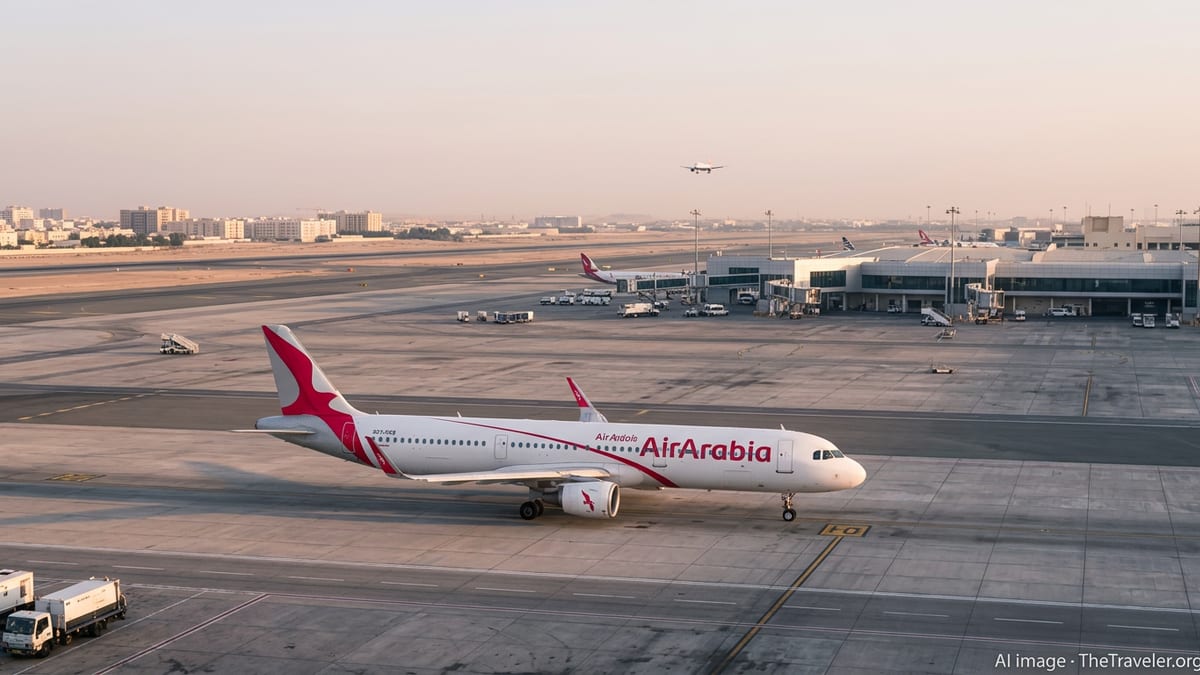
Radar issue forces flight limits at Gatwick
Publicly available information indicates that a technical issue with an air traffic control radar system is at the heart of today’s disruption. National Air Traffic Services, which manages UK airspace, has imposed temporary limits on the number of aircraft permitted to arrive and depart from London airports, including Gatwick.
Reports in UK-based media describe Gatwick as remaining operational, with aircraft continuing to land and take off, but under reduced capacity compared with a normal summer weekday. This constraint is contributing to a build-up of delays across morning and daytime waves of departures and arrivals.
Coverage also notes that the radar malfunction is not specific to Gatwick but is affecting the wider London airspace network. As a result, some services are being held on the ground at origin airports or slowed en route into the London area, which can lengthen delays beyond the immediate vicinity of Gatwick’s runways.
The radar issue comes at a time when traffic levels are already high for the peak holiday season, leaving airlines and air traffic controllers with less flexibility to absorb disruption.
Delays spread across early-morning arrivals and departures
Online flight-status boards for Gatwick show a mix of on-time and delayed services in the early hours of Thursday, with disruption beginning to emerge shortly after the morning inbound rush. Several arrivals from European and Middle Eastern destinations have been recorded as landing behind schedule, in some cases by more than 30 minutes.
Departures have also been affected. Data from real-time tracking services highlights individual flights from Gatwick to popular Mediterranean destinations, such as Malaga and Alicante, leaving later than timetabled. These delays are broadly consistent with a systemwide requirement to meter traffic into and out of London airspace rather than a problem with Gatwick’s own infrastructure.
While some early services managed to depart close to schedule, the cumulative effect of holding patterns and ground restrictions has led to knock-on delays as the day progresses. Travellers with morning and midday departures are advised, in publicly available guidance, to continue to arrive at the airport as normal but to be prepared for longer waits at the gate.
Industry performance data from recent summers suggests that Gatwick, as a busy leisure-heavy hub, can see departure punctuality come under pressure even in stable conditions, meaning that today’s radar-related constraints are landing on an already finely balanced operation.
Limited cancellations but continuing risk of disruption
Live cancellation statistics for London Gatwick show a modest number of flights withdrawn from the schedule so far today compared with the total number of planned movements. Most of the impact at this stage appears to be in the form of delays rather than large-scale cancellations.
Individual flight listings on third-party tracking platforms for Thursday, July 9, show a small number of services into Gatwick marked as cancelled, including at least one early-morning arrival operated by a low-cost carrier from the Middle East. Some departures to short-haul European destinations have also been removed from schedules, though the overall pattern remains one of selective cancellations rather than a wholesale shutdown.
Travel industry observers note that this type of disruption can evolve through the day. If the radar issue persists or if early delays become too severe, airlines sometimes pre-emptively cancel later rotations to reset aircraft and crew positions. Passengers holding bookings for late afternoon or evening flights may therefore face a higher risk of changes even if their services currently appear on time.
Conversely, if air traffic control capacity is restored more quickly than expected, there is scope for the current backlog to ease, with some of today’s longer delays gradually shortening as flow restrictions are relaxed.
Knock-on effects for rail links and onward journeys
Beyond the runway, travellers are also being encouraged to monitor surface transport options to and from Gatwick. The mainline rail corridor connecting the airport with central London and the south coast is itself seeing minor disruption, with National Rail reporting issues on services between Haywards Heath and Gatwick Airport on Thursday. These rail problems are separate from the radar fault but can compound delays for passengers attempting to reach or leave the airport.
Reduced frequencies or delays on Gatwick Express, Southern and Thameslink services may lengthen journey times into London Victoria, London Bridge and St Pancras, all of which are key gateways for domestic and international connections. Travellers with tight margins between train arrivals and flight departures could find their plans under additional strain as incidents layer on top of one another.
For inbound passengers whose flights are running late, disrupted rail services can also extend the overall length of their trip, particularly in the evening period when train timetables thin out. Airport coaches, taxis and pre-booked car services remain alternatives, but these modes can quickly become busy when rail reliability dips.
Transport planners generally advise allowing extra time when both air and rail networks are under pressure, especially in the crowded corridor south of London where there are few easy diversionary routes.
What passengers can do if their Gatwick flight is affected
Consumer guidance produced by regulators and passenger-rights organisations emphasises the importance of checking flight status directly with airlines and via official airport channels on days of disruption such as Thursday, July 9. Schedules visible on general search engines or older printouts may not reflect late changes driven by evolving air traffic control restrictions.
Under UK and European air travel rules, travellers whose flights are cancelled are generally entitled to a choice between a refund or re-routing at the earliest opportunity, including on alternative airlines where appropriate. Even where disruption arises from causes outside an airline’s control, carriers are expected to provide care and assistance, such as refreshments and accommodation, when passengers are stranded for extended periods.
Travel experts also recommend that passengers factor in the likelihood of missed connections, particularly where separate tickets are involved. Those with self-organised onward journeys from other airports or train stations may need to rebook or adjust plans if the initial leg from Gatwick is heavily delayed.
As the radar issue continues to be monitored and capacity limits remain in place, the situation at London Gatwick on Thursday is fluid. Passengers travelling today are advised to stay alert to updates throughout their journey and to anticipate that further delays and isolated cancellations are possible as airlines and air traffic controllers work to stabilise operations.