


More news on this day
South Shore Line commuters are being warned to expect at least two more weeks of limited rail service and bus substitutions as crews continue repairs following a late June freight train derailment in Northwest Indiana.
Get the latest news straight to your inbox!
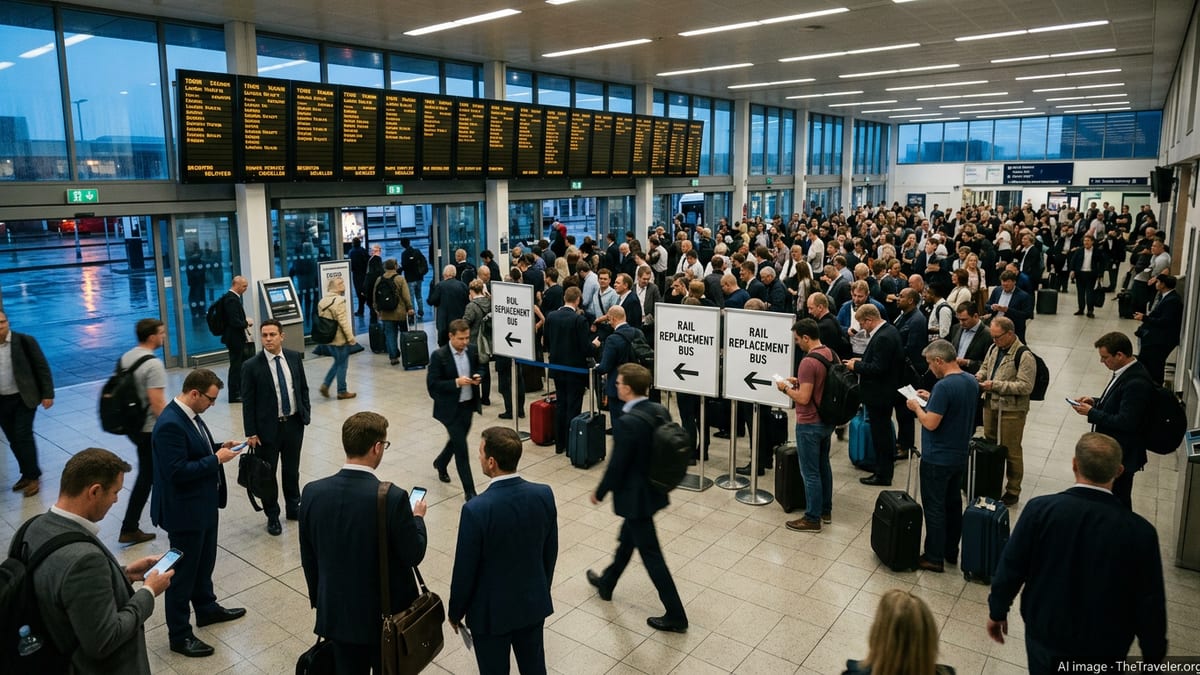
Weekend schedule and bus bridge remain in place
According to publicly available service alerts, the South Shore Line is currently operating on a weekend and holiday timetable across its Lakeshore and Monon corridors, even on weekdays. The modified schedule began shortly after an empty freight train derailed on the Grand Calumet River bridge between East Chicago and Hammond Gateway, disrupting the primary commuter rail link between northern Indiana and downtown Chicago.
Rail operations on either side of the damaged bridge have resumed, but through trains are not yet possible. As a result, passengers traveling across the affected segment must transfer to buses, adding time and uncertainty to many daily commutes. Notices indicate that this pattern of reduced frequency and bus substitution is expected to stay in place for roughly two more weeks while bridge and infrastructure work continues.
Service updates released in early July describe a bus bridge operating between Hammond Gateway and East Chicago, replacing the suspended rail section. Riders are advised that travel times may be longer than usual and that departure and arrival times can vary as buses navigate highway traffic and shifting demand throughout the day.
Rail commentators note that the weekend and holiday schedule reduces the number of departures compared with a normal weekday timetable, particularly during peak commuting hours. For some riders, this has meant adjusting work hours, exploring remote options, or considering alternative transport while the line remains partially shut.
Derailment on Grand Calumet River bridge drives disruption
Published reports describe the incident at the heart of the disruption as a derailment involving more than a dozen freight cars on the South Shore Line’s Grand Calumet River bridge on June 24. The train was not carrying passengers, but the derailment damaged infrastructure on a key elevated span that carries both passenger and freight traffic in a constrained corridor.
Railway operators have characterized the resulting repair effort as complex, involving structural assessments, replacement of track components, and work on overhead electrical systems used by the South Shore Line’s electric multiple units. Publicly available updates suggest that teams are working to stabilize the bridge and restore full function while also meeting safety and regulatory standards before any regular trains can cross.
Because the derailment occurred between Hammond Gateway and East Chicago, the incident severed one of the most intensely used segments of the line. The crash did not result in reported injuries among passengers, since no commuter train was involved, but the location has amplified the impact on everyday riders by cutting through a central portion of the route used by travelers from South Bend, Michigan City, and other Indiana communities heading to Chicago.
Published coverage indicates that the original expectation was to maintain the modified schedule at least through the Independence Day period before reassessing. With repairs proving more involved than initially hoped, the latest timeline now points to another two weeks of constrained operations, subject to change as work progresses.
Extra trains and ticket policies aimed at easing commuter strain
To soften the impact on riders, the South Shore Line has introduced limited service enhancements within the constraints of the temporary timetable. Reports indicate that an additional weekday train has been slotted into the already stretched weekend-style schedule, creating one more option for commuters during busy periods.
In addition, publicly available information shows that monthly tickets for June have been extended for use through July, effectively providing an extra month of validity at no additional cost. This move is intended to recognize the inconvenience of reduced service and the added complexity of combining trains and buses for what would normally be a single rail journey.
Regional transportation observers point out that the South Shore Line has coordinated with other rail providers in the Chicago area at various points during the disruption, including arrangements that allow some passengers to use South Shore tickets on other commuter services for specific journeys. Such measures are designed to preserve mobility across the wider metropolitan region, particularly for riders with fixed work schedules or limited access to alternative modes.
Despite these efforts, practical challenges remain. Passengers have reported crowding on some trains and buses, instances of standing-room-only conditions, and variability in transfer times. The combination of a weekend timetable and ongoing construction elsewhere on the network has contributed to a sometimes unpredictable travel experience, especially during peak commuting windows.
Riders adapt plans as repair timeline extends
For daily commuters, the extended period of limited service has led to a mix of coping strategies. Some travelers are adjusting departure times to fit the weekend-style timetable, arriving earlier or later than usual at their workplaces. Others are testing park-and-ride options at different stations in an effort to shorten or simplify the required bus transfers.
Travel reports circulating on social and local media describe riders experimenting with driving to stations west of the bus bridge, such as East Chicago or Hammond Gateway, to remain on trains for a larger portion of the trip. However, this strategy can lead to parking pressure at certain locations, particularly during the morning rush.
Employers in Northwest Indiana and downtown Chicago that rely on South Shore Line commuters are also affected. While some organizations maintain flexible or hybrid work arrangements, others are more rigid, increasing the importance of understanding the evolving schedule and leaving extra time for unexpected delays at transfer points.
Rider advocates emphasize that clear, timely communication is essential as the two-week horizon for limited service approaches. Travelers watching for the eventual return of full weekday operations are closely monitoring public notices, local news coverage, and station signage for any indication that repairs are accelerating or, conversely, that the restricted operations might need to be extended again.
What to watch for in the coming weeks
In the short term, the key milestones for passengers are likely to center on updates about progress at the Grand Calumet River bridge and any revised schedule information. If structural repairs proceed as projected, riders could see announcements outlining the phased restoration of full weekday service and the withdrawal of the bus bridge between Hammond Gateway and East Chicago.
Observers note that even once the primary repairs are complete, there may be a period of incremental adjustments as the line transitions from weekend-style operations back to a full weekday timetable. This could involve fine-tuning departure times, reinstating particular rush-hour trains, and adapting crew assignments to the restored pattern of service.
For now, publicly available information continues to emphasize that delays are likely as long as buses form a central link in the route. Passengers planning trips over the next two weeks are being encouraged through service alerts and local coverage to check the latest schedules before traveling and to allow extra time for connections.
As the South Shore Line works toward full restoration of its cross-state commuter corridor, the experience of extended limited service is drawing attention to the network’s role in connecting Indiana communities to Chicago’s employment, education, and cultural opportunities. The coming weeks will determine how quickly and smoothly the line can return to its pre-derailment rhythm.