


More news on this day
Railroad crossings in downtown Durand have reopened to vehicle traffic following a freight train derailment that disrupted a key rail junction and several busy streets near the city’s historic station.
Get the latest news straight to your inbox!
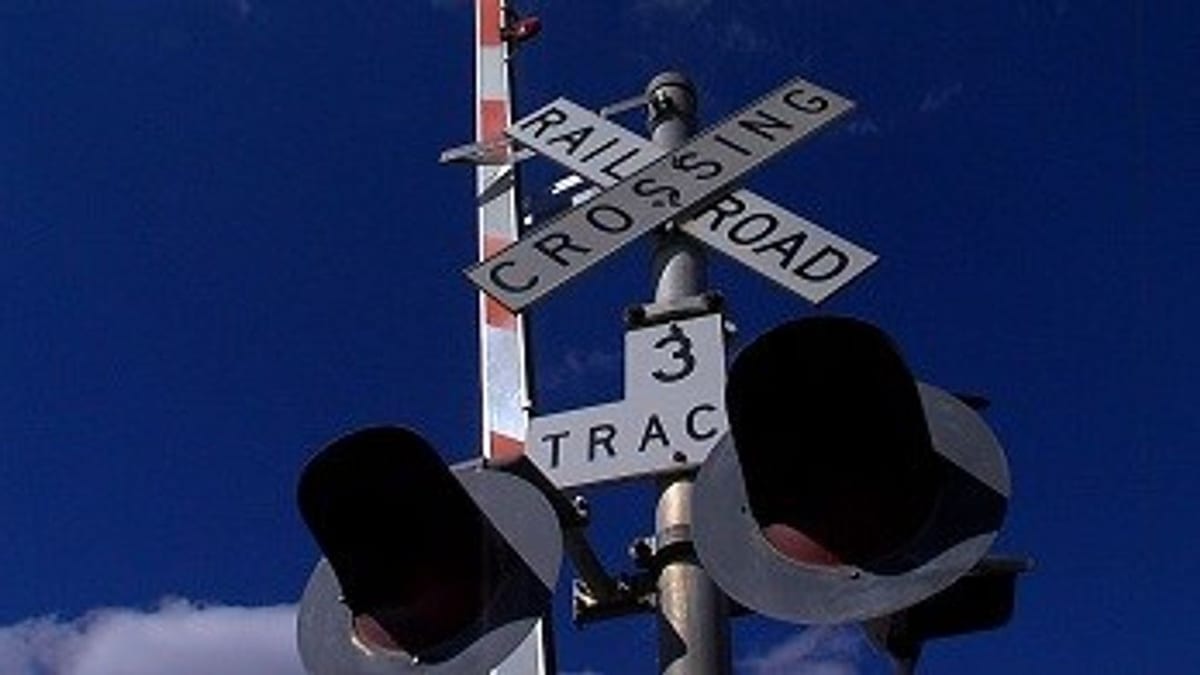
Crossings reopen as cleanup operations wind down
Traffic is moving again through downtown Durand after rail and road crews cleared derailed freight cars and debris from several grade crossings near the community’s rail junction. Publicly available information indicates that the crossings were closed for several hours while responders secured the scene and heavy equipment was brought in to re-rail affected cars.
Local coverage describes the incident as occurring near Durand Union Station, a focal point of the city’s railroad network and a hub where multiple freight and passenger lines intersect. Temporary barricades were placed at nearby intersections while crews assessed track damage and inspected signaling equipment.
Initial reports do not indicate widespread injury, and there have been no detailed accounts of hazardous material releases at the street level. Rail traffic through the area has resumed in a limited pattern while inspections continue, and motorists are being advised to expect intermittent delays as work trains and inspection vehicles move through the corridor.
Photographs and videos shared on regional news and social media channels show maintenance crews stabilizing railcars and removing damaged components from the right of way. By the time crossings reopened, the most visible debris at road level had been removed, though some staging of materials remains along the corridor.
Busy rail junction underscores impact on downtown mobility
Durand’s downtown street grid is closely intertwined with its rail infrastructure, which magnified the effect of the closures on local mobility. The community grew around the historic junction, and the lines that intersect there still carry frequent freight traffic as well as intercity passenger trains.
When the derailment occurred, multiple at-grade crossings were blocked or preemptively closed, forcing drivers to reroute across a small number of remaining access points. Residents described extended queues at alternative routes and delays for local deliveries and school and commuter traffic.
According to published coverage of the incident, the closures affected streets that connect residential neighborhoods with downtown businesses and civic buildings. Some storefronts reported reduced walk-in traffic during the disruption, particularly at times when heavy machinery and rail equipment were stationed near the crossings.
The disruption highlights the reliance of smaller rail communities on a limited set of critical links across the tracks. Even a single incident can temporarily divide the city into separate halves, affecting not only motorists but also pedestrians and cyclists who depend on the same corridors.
Early safety picture: no large-scale hazardous release reported
Based on available information, the derailment involved a freight consist with cars that left the tracks near the station area. Reports so far do not describe a significant fire or large-scale release of hazardous materials in the downtown core, and there have been no widely reported mass-casualty impacts.
Emergency response plans for communities like Durand typically focus on isolating any damaged tank cars, monitoring for leaks, and establishing air quality checks when potentially hazardous commodities are involved. In this case, publicly accessible updates have emphasized the reopening of crossings and the removal of equipment, suggesting that the risk to surrounding neighborhoods has been reduced.
Rail incidents in built-up areas often trigger additional structural and track inspections after the initial cleanup. Engineering teams generally review rail alignment, ballast stability, and signal integrity before restoring full-speed operations. In Durand, partial rail service has resumed, and further adjustments are expected as more detailed findings emerge.
Residents near the tracks continue to report activity associated with follow-up work, including slow-moving inspection trains and maintenance crews working during off-peak hours to minimize additional disruption.
Investigation and infrastructure review expected to follow
An investigation into the cause of the derailment is expected to focus on train handling, track condition, and equipment performance. Similar cases in the region have led to detailed reviews of rail infrastructure, including rail wear, tie condition, and switch geometry at complex junctions.
Publicly available federal data show that overall derailment rates have gradually declined in recent decades, but individual events continue to draw attention to aging components and capacity constraints on busy freight corridors. Junctions that combine heavy freight movements with passenger service, such as Durand’s, can face additional stress from frequent use and tight scheduling windows.
Depending on the findings, the incident may prompt targeted upgrades at the junction, such as new rail, improved ballast, or modernized signaling and grade-crossing equipment. Local and state rail programs have increasingly prioritized crossing safety and reliability projects, and communities with recent incidents often move higher on planning lists.
Residents and businesses in Durand are likely to watch closely for information about any recommended improvements, timelines for possible construction, and potential impacts on future traffic patterns during rail work.
Community response and renewed focus on crossing safety
The derailment has renewed public discussion in Durand about the everyday risks and inconveniences associated with living next to a major rail artery. While many residents view the city’s rail heritage as a defining characteristic and tourism draw, the shutdown of downtown crossings has sparked new calls for continued investment in safety and traffic management.
Community conversations captured in local forums and comment threads point to longstanding concerns about blocked crossings, siren audibility, and access for emergency vehicles when trains occupy multiple intersections. The latest incident has added urgency to those debates, even as crossings reopen and routine patterns resume.
Regional coverage notes that recent federal and state programs have directed more funding toward grade-crossing improvements, warning systems, and, in some cases, grade separations that route road traffic over or under busy rail lines. Events in smaller rail hubs such as Durand are often cited in discussions of how those programs should be prioritized.
For now, daily life in downtown Durand is returning to normal as motorists once again pass over the crossings that were temporarily closed. The lingering question for many residents is how quickly lessons from the derailment will translate into tangible changes at the city’s rail junction and along the streets that cross it.