


More news on this day
The Bahamas is experiencing a powerful tourism upswing led by resilient demand from the United States and reinforced by growing visitor flows from Canada, Europe and other major outbound markets, according to recent government data and industry reports.
Get the latest news straight to your inbox!
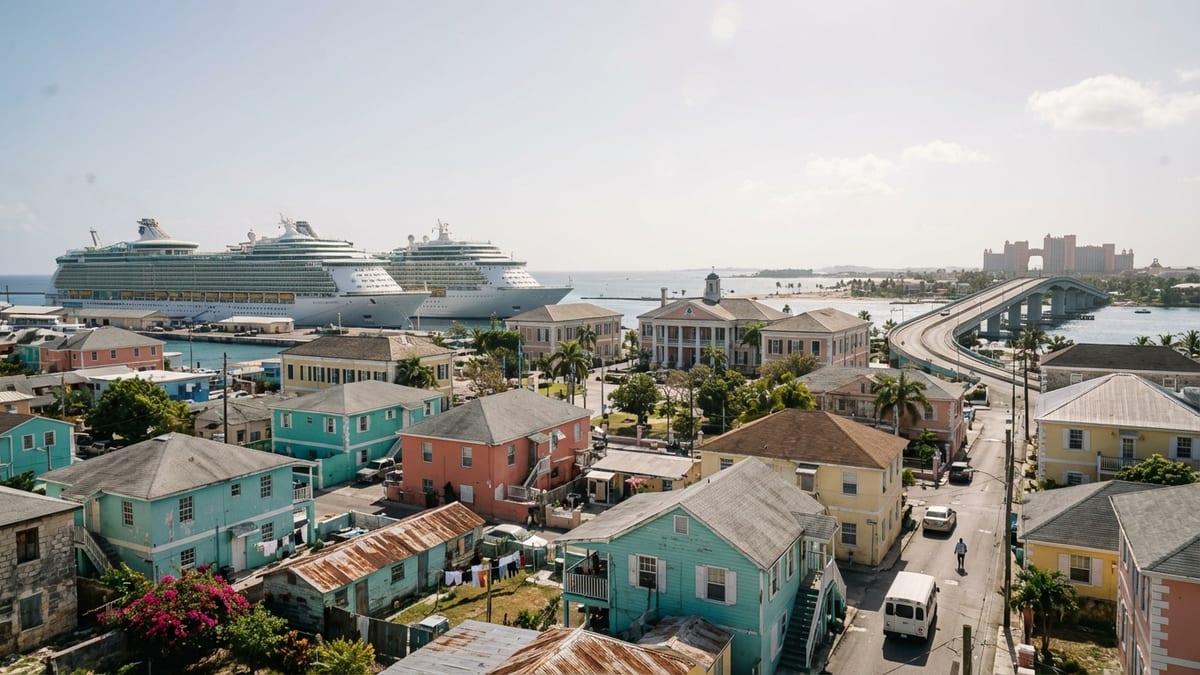
Record Visitor Numbers Cement Tourism Comeback
Tourism statistics published by The Bahamas Ministry of Tourism indicate that the archipelago has entered a new phase of growth, with total international arrivals reaching more than 11 million visitors in 2024. That performance surpassed the previous record set in 2023 and marked the strongest year on record for the destination in both cruise and air segments.
Government budget and economic statements describe tourism as the central driver of national output, noting that the latest surge has pushed arrivals well above pre-pandemic levels. Compared with 2018, which many analysts cite as the last fully “normal” year before Hurricane Dorian and the global health crisis, total tourist arrivals have increased by several million, lifting overall visitor expenditure and supporting job creation across the islands.
Monetary and fiscal updates from the Central Bank of The Bahamas and the Ministry of Finance point to continued buoyancy into 2025, with steady expansion in higher-spending stopover visits as well as cruise calls. Officials attribute the upturn to both external demand from key partner countries and ongoing investment in hotels, marinas and attractions that raise the destination’s capacity and appeal.
Industry assessments suggest that the current growth cycle has moved beyond a simple post-pandemic rebound. Instead, the data indicate that The Bahamas has consolidated a larger share of Caribbean tourism, helped by its proximity to major aviation hubs in North America and its position on key cruise itineraries serving US and European travelers.
United States Remains the Dominant Source Market
Publicly available economic and tourism reports consistently identify the United States as The Bahamas’ principal source of visitors, accounting for the vast majority of international arrivals. Historical estimates place the US share at more than four-fifths of total tourists, a pattern that has largely persisted into the latest reporting period alongside the broader recovery in American outbound travel.
Data from the US National Travel and Tourism Office show that US citizens have increased their international trips as household balance sheets remain relatively healthy, even with higher costs of living. Vacation and holiday travel are cited as the leading purpose of outbound journeys, a trend that benefits nearby leisure destinations such as The Bahamas, where short-haul flights and frequent cruise departures make trips relatively easy to book and schedule.
The Bahamas’ own visitor statistics and central bank bulletins highlight strong gains in air traffic from key US gateways, along with rising cruise passenger volumes handled at Nassau Cruise Port and other island terminals. Analysts note that many American travelers now combine short cruises with pre- or post-stay hotel nights, lifting per-visitor spending in restaurants, excursions and local services.
Economic commentary from The Bahamas also links domestic growth prospects to the performance of the US economy, given the scale of visitor flows and trade ties. As long as US consumer demand and employment remain resilient, observers expect American vacationers to continue underpinning tourism revenue, even as the country works to diversify its international guest mix.
Canada, Europe and Latin America Deepen Their Footprint
While the United States remains dominant, other major outbound markets are expanding their presence in The Bahamas. Recent press releases from the Ministry of Tourism highlight new and expanded services from Canadian carriers, including a seasonal nonstop route from Montréal to Nassau launched by Porter Airlines in late 2025. The service connects Quebec travelers directly to The Bahamas and complements existing flights from Toronto and other Canadian cities.
European visitor numbers, although smaller in absolute terms, are supported by both direct air links and extensive cruise programs operated by global lines based in the United Kingdom and continental Europe. Industry analyses note that as long-haul leisure demand from Europe has recovered, warm-weather destinations in the Caribbean, including The Bahamas, have seen renewed interest, particularly during the northern winter season.
In addition, tourism planners are seeking to develop Latin American and wider international markets through marketing partnerships and connections over major US and Canadian hubs. Regional observers point out that as airlines in South America and Central America rebuild their networks, Caribbean islands accessible via one-stop itineraries can attract new segments such as adventure travelers and multi-destination holidaymakers.
Policy documents from The Bahamas government emphasize the importance of broadening the geographic base of arrivals to reduce exposure to fluctuations in any one economy. By securing a more balanced mix of US, Canadian, European and regional visitors, the country aims to support more stable hotel occupancy and cruise schedules throughout the year.
New Airlift and Cruise Capacity Support Growth
Transport developments are playing a central role in sustaining The Bahamas’ tourism momentum. Aviation announcements over the past two years show a series of new routes and additional frequencies from US carriers, regional airlines and niche operators. For example, a scheduled-service expansion by a US-based boutique carrier in 2024 introduced new links from Palm Beach to outer islands such as Marsh Harbour and North Eleuthera, strengthening access beyond the main hubs of Nassau and Grand Bahama.
Upgrades to Lynden Pindling International Airport in Nassau and ongoing enhancements at Family Island airports have improved handling capacity, facilitating larger aircraft and more frequent services during peak seasons. Tourism planners indicate that these infrastructure investments are intended to accommodate projected growth and to make it easier for airlines from North America and Europe to schedule efficient rotations.
On the maritime side, expanded cruise berths and redeveloped waterfront areas in Nassau have allowed larger ships and higher passenger volumes, while private island developments by global cruise companies continue to feature prominently in marketing efforts targeting US and international travelers. Industry reports describe cruise tourism as a key pillar of visitor arrivals, with onshore spending in tours, dining and shopping contributing significantly to local businesses.
Combined, the additional airlift and cruise capacity have increased the number of travel options for visitors from the United States, Canada and other major markets, helping to distribute tourism flows across multiple islands and seasons. Observers argue that this transport-driven expansion is crucial for maintaining momentum as global competition for visitors intensifies.
Economic Impact and Outlook for The Bahamas
Macroeconomic assessments by international institutions and domestic authorities indicate that tourism growth has been a primary factor behind recent gains in Bahamian gross domestic product. Tourism and related services account for a substantial share of national output and employment, while visitor spending supports fiscal revenues through taxes and fees.
Budget documents for the 2024 and 2025 fiscal periods attribute improved revenue performance in part to stronger tourism activity, including higher collections from departure taxes, import duties tied to hotel and restaurant supplies, and contributions from cruise operations. With inflation moderating compared with earlier spikes, real tourism income has provided an important buffer for households and government finances.
Looking ahead, forecasts referenced in public reports suggest that overall economic growth in The Bahamas is expected to moderate slightly from the rapid rebound phase but remain positive as long as tourism stays robust. Continued strength in US outbound travel, further diversification toward Canadian, European and Latin American markets, and ongoing investment in sustainable tourism products are all seen as crucial to maintaining this trajectory.
Sector analysts caution that external risks, including changes in consumer confidence in major economies, climate-related disruptions, and shifts in airline and cruise capacity, could influence the pace of expansion. Nevertheless, the latest data indicate that The Bahamas has entered the mid-2020s with one of the strongest tourism positions in its history, underpinned by deep ties with the United States and reinforced by a growing constellation of global source markets.