


More news on this day
Austria’s tourism machine is accelerating on multiple fronts in 2025, with fresh data and new initiatives pointing to a powerful revival across the Alps, lesser-known valleys and the country’s historic cultural cities.
Get the latest news straight to your inbox!
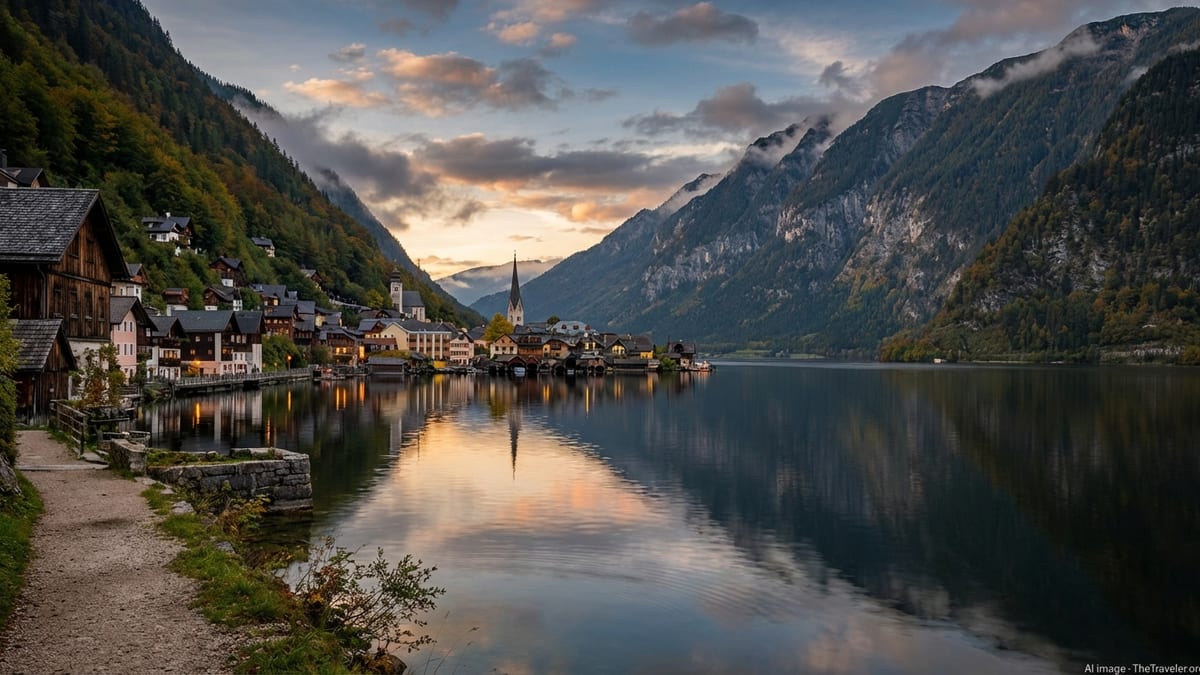
Record Visitor Numbers Cement Austria’s Tourism Comeback
Recent figures from national and regional statistics offices indicate that Austria has consolidated its position as one of Europe’s most tourism-intensive countries, with tens of millions of overnight stays recorded in 2023 and 2024. Analysts note that alpine provinces such as Tyrol and Salzburg, where resorts are framed by the high peaks of the Central Alps, have been among the main beneficiaries of this renewed demand as international travelers return in large numbers.
Data published for Vienna shows how city tourism is feeding into the broader boom. The capital recorded more than 17 million overnight stays in 2023, described in official summaries as the second-strongest year on record and a decisive step beyond the pandemic downturn. Strong urban performance has gone hand in hand with alpine growth, underlining the dual nature of Austria’s tourism offer as both a mountain and cultural destination.
National tourism strategy documents highlight that summer stays have now overtaken winter overnight numbers, reflecting a shift from a predominantly ski-focused market to a more diversified, year-round model. This change is visible in the way alpine destinations package hiking, cycling, wellness and culture alongside traditional snow sports, widening the appeal of mountain regions to visitors who are less interested in skiing but highly motivated by landscapes and local heritage.
Economy-wide statistics for 2023 show that, even as gross regional product softened in several provinces, tourism-related activity continued to grow, particularly in alpine regions. Observers describe this divergence as evidence that travel is becoming an increasingly central pillar of local economies, especially in mountain valleys that historically depended on agriculture and seasonal work.
Alpine Infrastructure Surges, From Cable Cars to Hidden Valleys
The physical backbone of Austria’s mountain tourism is also expanding. Industry reports compiled for the 2023/24 and 2024/25 winter seasons list new and upgraded lifts across major ski regions, including next-generation chairlifts and cable cars designed for both winter sports and summer sightseeing. In Tyrol, promotional material for the upcoming seasons points to investments in new gondolas and experience-focused mountain stations intended to keep visitors in the high Alps longer, even when there is no snow on the ground.
Federal communications in 2026 confirm that the national government has revised regulations to simplify the installation of photovoltaic systems on cable car infrastructure. The change is framed as part of a wider deregulation package and is expected to make it easier for operators to generate renewable power at valley and mountain stations. Policy summaries describe cable cars as a “central part” of Austria’s tourism landscape and identify energy upgrades as crucial to maintaining competitiveness at high altitude.
Beneath the headline resorts, attention is increasingly turning to smaller valleys marketed as quieter alternatives to the busiest alpine hubs. Regions such as the Großes Walsertal biosphere reserve in Vorarlberg are presented in official and academic literature as models for low-impact tourism, combining traditional farming with carefully managed hiking, village stays and nature education. Similar approaches appear in cross-border projects like LiveAlpsNature, launched in 2024 to balance biodiversity protection with nature and health tourism across several Alpine countries, including Austria.
Industry observers argue that this layered structure of flagship ski domains, mid-sized family resorts and protected “hidden valleys” is creating a more resilient tourism fabric. While well-known destinations continue to draw large volumes, emerging areas focus on niche markets such as long-distance trekking, mindful nature experiences and agritourism, spreading income more evenly through remote communities.
Sustainability and Climate Pressures Reshape Alpine Strategies
Climate trends and environmental concerns are prompting a visible shift in how Austria presents its mountain product. The national tourism strategy known as Plan T places sustainability at the core of future development, and the tourism ministry’s published material emphasizes accessibility, environmental quality and regional value creation as guiding principles. National platforms tracking the Sustainable Development Goals highlight tourism’s role in achieving climate and biodiversity objectives.
Several research and cooperation projects are now focused on the Alps of tomorrow. Academic initiatives such as TranStat, centered on transitions to sustainable ski tourism, examine how winter sports regions can adapt to shorter snow seasons, changing visitor expectations and stricter environmental standards. Parallel efforts like the HAF-ALP-TOUR mobility project investigate how automated and demand-responsive transport could reduce private car dependence in mountain areas while keeping rural communities connected.
On the ground, destination marketing increasingly stresses low-carbon experiences. Press material from Tyrolean regions refers to certified sustainable tourism areas, ecolabel hotels and energy-efficient lifts powered partly by renewable sources. National promotion channels showcase cable car operators that integrate photovoltaics and modern drive systems, as well as huts and lodges that prioritize regional food, waste reduction and careful water use.
Environmental organizations active in the Alpine space warn that visitor pressure in sensitive landscapes is intensifying, requiring more robust management of trails, wildlife habitats and high-altitude wetlands. Initiatives like LiveAlpsNature and AlpsLife, coordinated by Alpine NGOs, aim to guide tourists toward less fragile zones, improve signage and monitoring, and use digital tools to steer flows away from overcrowded hotspots during peak periods.
Cultural Cities and Heritage Routes Power Urban Growth
While the Alps dominate Austria’s tourism imagery, cultural hubs are experiencing their own resurgence. Vienna’s strong 2023 performance has been widely cited in trade publications as evidence of pent-up demand for European city breaks focused on museums, music and gastronomy. Reports underline that the capital’s accommodation revenue reached record levels despite global economic uncertainty, reflecting enduring interest in its imperial architecture, coffeehouse culture and events calendar.
Other regional capitals, including Salzburg, Innsbruck and Linz, continue to capitalize on their mix of culture and landscape. Salzburg’s festival reputation and baroque center, Innsbruck’s juxtaposition of old town streets and steep mountain backdrops, and Linz’s blend of industrial heritage with contemporary arts institutions all feature prominently in recent tourism campaigns. Official statistics for Salzburg province show robust overnight numbers for the 2023/24 seasons, reaffirming its status as one of the country’s most visited areas.
Beyond the major cities, river and valley routes along the Danube and in wine-growing areas such as the Wachau are drawing visitors looking for a slower, more rural form of cultural travel. National tourism summaries list cycling trails, monastery complexes and historic towns as key drivers of growth in these corridors, often combined with rail-based itineraries that link back to Vienna or Linz.
Industry observers note that the interplay between urban centers and surrounding landscapes is becoming a central selling point. Many itineraries now promote combinations such as a few days in Vienna followed by rail journeys to alpine gateways like Innsbruck or Zell am See, enabling travelers to experience both imperial boulevards and glacier-fed lakes in a single trip.
Greener Mobility and Rail Networks Underpin the Travel Boom
Austria’s transport policies are reinforcing the tourism surge by making it easier and cheaper to cross the country without a car. Research on the nationwide KlimaTicket, introduced in 2021, finds a measurable increase in public transport demand following the launch of the flat-rate annual pass, which grants unlimited travel on most trains, buses and some regional services. Analysts suggest that the ticket has lowered barriers for both residents and long-stay visitors who want to combine multiple regions in one journey.
National and regional tourism communications increasingly align with this shift, highlighting long-distance rail connections from neighboring countries and encouraging visitors to access ski resorts, hiking bases and lakeside towns by train and bus. In the Alps, pilot projects are testing more flexible mobility options, from on-demand shuttles serving side valleys to improved coordination between mountain railways and regional bus lines.
Municipalities participating in cross-Alpine networks devoted to sustainable tourism, such as the Alpine Pearls cooperation, promote car-free holidays that rely on trains, cable cars, e-bikes and local shuttles. Case studies from Austrian member destinations present these models as ways to reduce congestion in narrow valleys, cut emissions and improve the visitor experience in historic centers not designed for heavy traffic.
Looking ahead, policy documents and academic assessments converge on the view that mobility, climate resilience and nature protection will determine how far Austria’s travel boom can continue to expand. With visitor numbers rising sharply in both the Alps and cultural heartlands, the country’s evolving mix of high-altitude infrastructure, hidden valleys and rail-linked cities is likely to remain at the center of Europe’s tourism map.