


More news on this day
The UK Rail Minister has met first responders and rail staff who were involved in the emergency response to the fatal train collision near Elstow, south of Bedford, using the visit to recognise their efforts and hear directly about the challenges they faced on the night of the crash and during the complex recovery that followed.
Get the latest news straight to your inbox!
Ministerial visit follows fatal Bedford rail collision
The ministerial engagement comes less than a fortnight after two East Midlands Railway passenger services collided on the Midland Main Line near the Elstow interchange, resulting in the death of a train driver and injuries to more than 100 passengers. The crash, which occurred shortly after the evening peak on a key corridor into London, has been described in public reporting as one of the most serious rail incidents in the region in recent years.
According to publicly available information from the Department for Transport and the Rail Accident Investigation Branch, the rear end collision involved a moving service striking a stationary train on the same line. An interim report has indicated that one of the trains passed a red signal shortly before impact, with brake applications recorded only seconds before the collision, prompting renewed scrutiny of operational procedures and signalling safeguards.
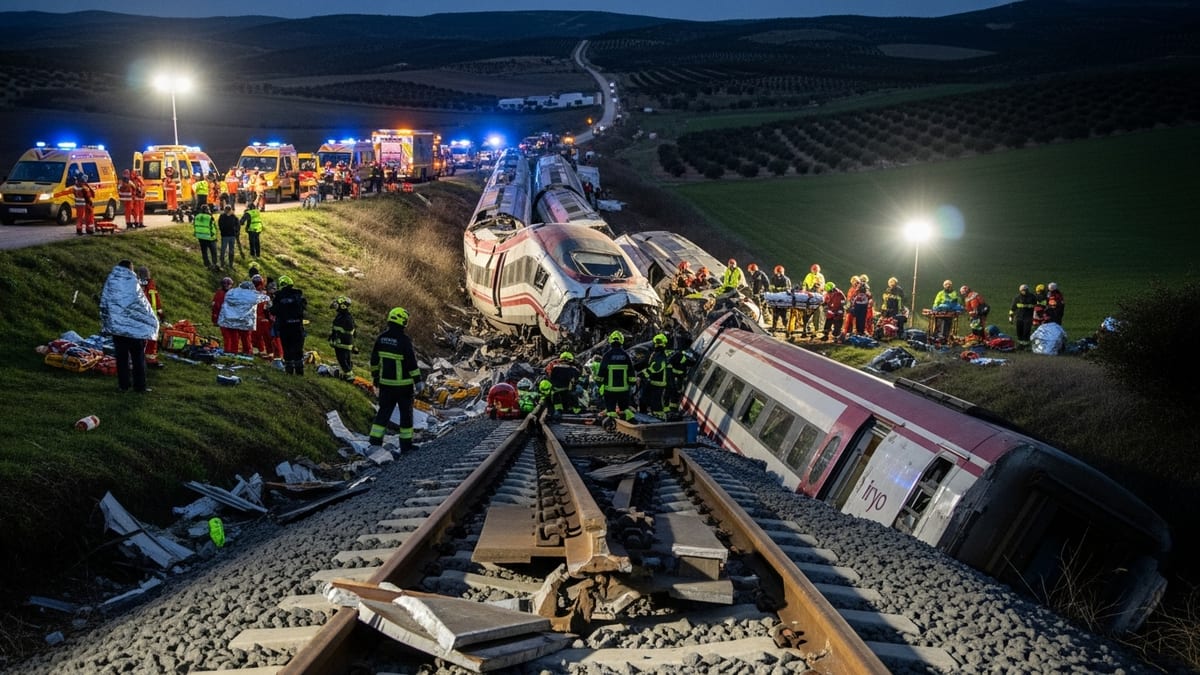
The Elstow site, located between major road junctions on the A421 and A6, quickly became the focus of a large scale emergency operation. Images shared in national and regional coverage show derailed carriages, heavy damage to rolling stock and extensive activity from recovery engineers working alongside investigators to stabilise the scene.
In the days after the incident, the Rail Minister and other senior figures within the transport portfolio used parliamentary statements and written updates to outline the government response. The latest visit to meet first responders and frontline rail employees is being presented as part of that wider engagement, and as a way of emphasising the role played by emergency services, rail staff and local partners.
First responders recount challenging night-time operation
During the visit, the Rail Minister met personnel from fire and rescue services, ambulance crews, British Transport Police and local rail teams who were deployed to the crash site. Publicly available statements from these organisations describe a rapid declaration of a major incident and the deployment of specialist resources, including air support and hazardous area response teams, as the scale of the collision became clear.
Reports indicate that first responders faced difficult conditions, working at night alongside the busy A421 corridor and navigating a scene of significant debris and damaged infrastructure. Access to the railway cutting near Elstow required careful coordination, with emergency vehicles positioned along service roads and field margins to allow stretchers, medical equipment and heavy rescue tools to reach the carriages.
Accounts carried by regional broadcasters and news outlets describe passengers being triaged close to the tracks before being transferred to nearby hospitals. A combination of on duty and off duty medical staff is reported to have treated casualties with fractures, head injuries and other trauma, while police and rail staff managed crowd control, initial interviews and the preservation of evidence for investigators.
The Rail Minister used the meetings to listen to descriptions of how command structures were established, how communication flowed between railway control rooms and the emergency services, and how decisions were taken about evacuation routes and the prioritisation of the most seriously injured. Public information emphasises that the ministerial focus included what worked well and which aspects of the response could be further strengthened.
Rail staff praised for actions before and after impact
Alongside emergency services, the visit highlighted the role of train crew, signallers and station staff who were involved both in the moments before the collision and in its immediate aftermath. Published coverage of passenger testimonies has pointed to the actions of on train staff who assisted injured travellers, guided people through darkened carriages and helped maintain calm while awaiting evacuation.
Railway control and signalling teams are reported to have played a critical part in securing the wider network, halting movements on adjacent lines, arranging diversionary routes and coordinating with Network Rail operations managers. These behind the scenes decisions are seen by rail professionals as vital to preventing secondary incidents and enabling a concentrated emergency response at the crash site.
Public statements from the Department for Transport and East Midlands Railway have acknowledged the loss felt within the rail community following the death of the driver involved in the moving service. The ministerial visit to local depots and operational bases has therefore also carried a strong internal dimension, offering an opportunity to recognise the impact on colleagues and to discuss support available to staff affected by the events at Elstow.
Industry observers note that similar visits by transport leaders have followed previous serious rail incidents, serving both a commemorative function and a practical one, by gathering first hand reflections on equipment, training and communication systems under real world pressure.
Focus turns to investigations and safety lessons
While the emergency phase has given way to recovery and investigation, the Rail Accident Investigation Branch continues its detailed examination of data recorders, signalling logs, driver actions and rolling stock performance. Preliminary findings published so far have confirmed key facts about the sequence of events, while reserving more complex questions around causation for the full report expected in the coming months.
The Rail Minister has publicly committed to considering the RAIB recommendations in full once they are issued, alongside any parallel work by safety regulators and the rail industry. Discussions during the visit with first responders and staff reportedly touched on issues such as fatigue, training, the clarity of operating rules and the way that risk is communicated along the chain of command.
Safety campaigners and rail unions have already called for any lessons from Elstow to be translated into concrete changes in procedures, technology or staffing levels where necessary. Commentators point out that major incidents often accelerate investment in measures such as enhanced train protection systems, improved crashworthiness standards and more comprehensive emergency exercises.
For passengers, the key concern is that travelling by rail remains one of the safest forms of transport. Publicly available statistics show that serious collisions of this kind are rare on Britain’s railways, but the visibility of the Elstow crash and the intensity of media coverage have reinforced expectations that every possible step will be taken to reduce risks further.
Restoring services and confidence on a key rail corridor
As cranes and engineering teams continue the complex task of clearing and repairing the damaged section of track near Elstow, attention is also turning to the restoration of full services on the Midland Main Line. Regional operators have been running amended timetables, diversions and rail replacement buses while parts of the route remain closed for infrastructure assessment and reconstruction.
Network Rail engineers are reported to be inspecting signalling equipment, overhead lines and ballast in the affected area, with an emphasis on ensuring that repairs not only return the railway to its previous state but also incorporate any immediate safety improvements identified by investigators. This work is taking place alongside ongoing site visits by RAIB teams and forensic specialists.
For the wider travel and tourism sector, the Elstow collision has highlighted the reliance of communities and visitors on reliable north south rail links through Bedfordshire. Local businesses and tourism bodies will be watching closely for updates on journey times and capacity as operators reintroduce services, particularly ahead of peak holiday travel periods.
The Rail Minister’s meetings with first responders and staff are being framed as part of a broader effort to reassure passengers, emphasise the professionalism of those who manage incidents when they do occur, and underline a policy commitment to learning from the collision. As the investigations progress, further announcements on safety initiatives, infrastructure investment and operational changes on this vital corridor are expected to shape the long term legacy of the events near Elstow.