


More news on this day
Passengers left stranded by severe flight disruption at London Gatwick are being offered more flexible rail ticket rules, as operators move to ease the fallout from last week’s UK air traffic control failure.
Get the latest news straight to your inbox!
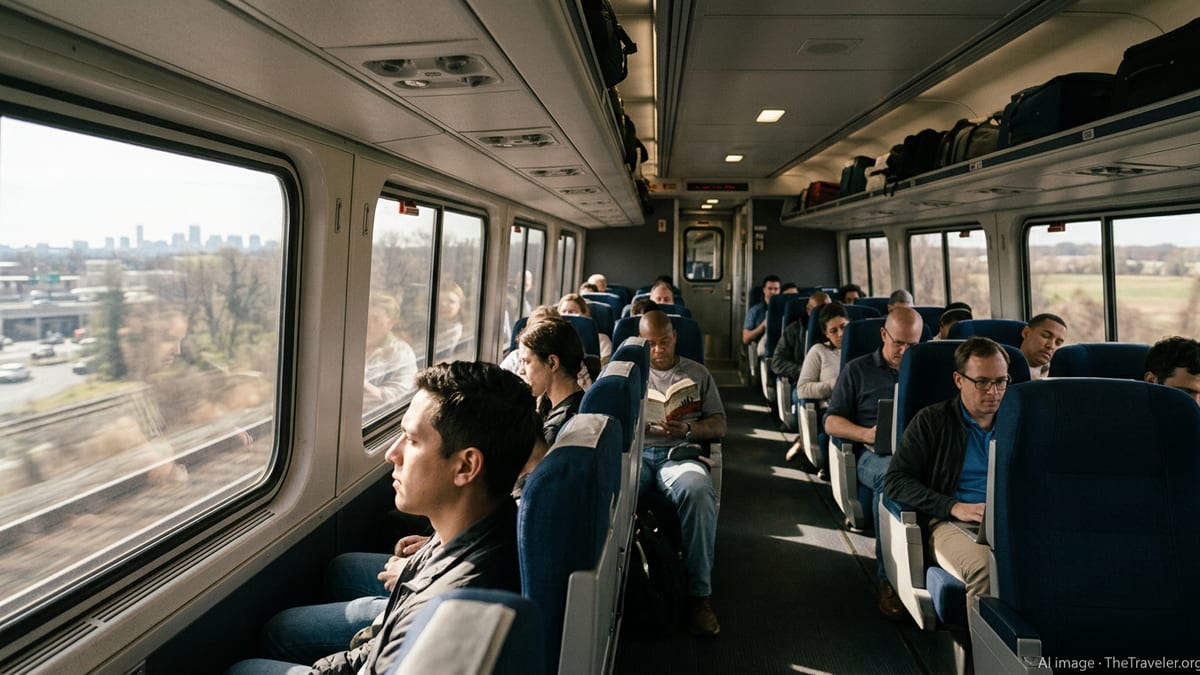
Flexible rail tickets after air traffic control chaos
The relaxation of rules follows a major technical problem affecting UK air traffic control on 8 September 2026, which triggered widespread delays and cancellations at airports including Gatwick. Thousands of travellers missed planned trains to and from the airport as flight schedules were reshuffled at short notice, according to published coverage of the incident.
National Rail guidance on the disruption states that customers who bought tickets dated 8 or 9 September for travel to or from UK airports can use those tickets on the new date of their rebooked flight, rather than being locked into the original day. Publicly available information shows that this applies where flights were cancelled or amended because of the air traffic outage, giving affected passengers more scope to complete disrupted trips without paying again.
The measures are framed as a temporary flexibility window rather than a permanent change to the National Rail Conditions of Travel. However, they come as the rail industry and government prepare wider reforms to make ticketing and disruption policies more consistent across operators.
What has changed for Gatwick-bound rail passengers
Gatwick Express, Southern and Thameslink services link the airport with central London and destinations across the South East. Updated guidance from Gatwick Express explains that passengers whose flights were rescheduled because of the air traffic control issues can use their existing rail ticket on the day their new flight operates, provided they show both the rail ticket and their updated flight booking.
For those who had already travelled to Gatwick only to find their flight cancelled, the same guidance indicates that a return ticket bought for a different day can be used to get home on the day of the cancellation. This allows travellers to abandon their trip without having to pay for an extra single ticket back from the airport, as long as they still hold a valid return portion.
There are limits. Public information from operators clarifies that if a flight is diverted to a different airport, existing Gatwick rail tickets do not automatically cover onward travel from that new location. In those cases, passengers generally need to purchase a fresh ticket for the revised route, then seek any reimbursement from their airline or travel insurer if applicable.
Refunds and rights under relaxed rules
Alongside the flexibility on travel dates, a number of operators serving Gatwick have highlighted refund options for customers whose journeys were abandoned altogether. Gatwick Express refund guidance indicates that where passengers choose not to travel because of disruption, they can request a fee free refund within 28 days of the travel date if the ticket was unused.
National Rail’s advice on the current disruption notes that passengers may also claim a refund on their original rail ticket if they were forced to buy a new one to reach or leave a different airport station after a diversion. In practice, this means someone whose flight was switched from Gatwick to another UK airport can seek their money back on the original Gatwick rail ticket if they no longer use it.
The relaxed rules sit alongside existing consumer protections such as Delay Repay schemes and the Passenger Rights and Obligations Regulation, which set out entitlements when rail services are delayed or cancelled. However, those frameworks do not usually address situations where a passenger’s flight, rather than their train, is the cause of the missed connection, which is why these additional, time limited arrangements have been introduced.
Link to wider shake up of UK rail ticketing
The temporary measures for Gatwick and other UK airports coincide with a broader shift in how disruption is handled across the rail network. Government announcements published on 14 September outline a new scheme that will give passengers an automatic right to board another operator’s service at no extra cost when their booked train is cancelled, subject to certain time and route limits.
According to national media reports, from 20 September 2026 most passengers whose trains are cancelled will be able to switch to another participating operator up to two hours before or after their original departure time on a reasonable alternative route. The list of operators covered includes Gatwick Express and other major intercity and commuter brands, extending cross acceptance beyond the ad hoc arrangements that have previously been negotiated during serious disruption.
Industry commentators suggest that the new automatic acceptance scheme is intended to reduce confusion at times of disruption by replacing behind the scenes negotiations with a clear, pre agreed rule. Coupled with the short term flexibility for airport related disruption, it marks a gradual move toward more straightforward passenger rights, particularly for those juggling rail connections with time sensitive flights.
What passengers should check before travelling
Despite the more generous rules, publicly available guidance continues to urge passengers to check both flight and rail status before setting out for Gatwick. Rail planners and operator websites are being updated with the latest timetable changes, while airlines are issuing revised departure times and rebooking options directly to customers.
Travellers are advised in published information to carry proof of any flight cancellation or rescheduling when using a rail ticket on a different day, as staff may ask to see airline confirmations or boarding passes. This documentation is also often required for refund claims, whether submitted to rail operators or airlines.
For now, the relaxed ticket rules are explicitly linked to the air traffic control incident of 8 September and the knock on disruption that followed. Passengers facing future, unrelated flight issues at Gatwick should not assume the same flexibilities will apply, and are encouraged to review the latest guidance from train operators and national rail bodies before they travel.