


More news on this day
Travelers planning to fly through Ronald Reagan Washington National Airport this Independence Day face unusually sweeping disruption, with nearly all July 4 flights canceled after midday as Washington prepares for extensive airspace restrictions tied to America’s 250th anniversary celebrations.
Get the latest news straight to your inbox!
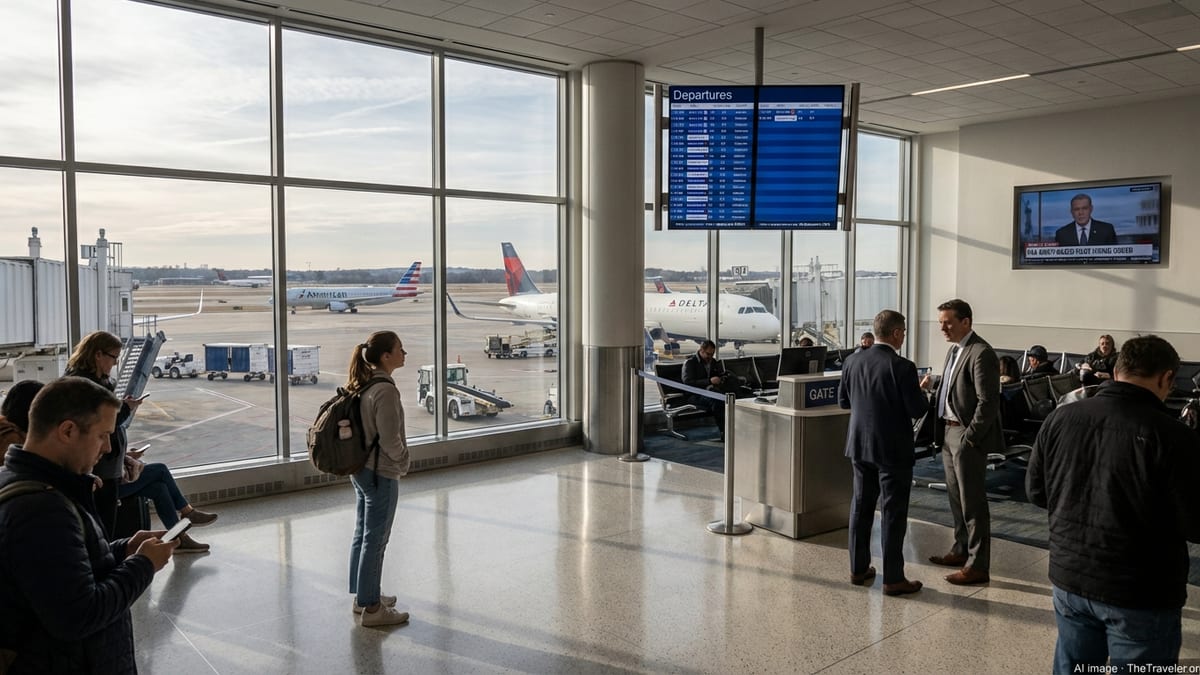
Airspace Shutdown Will Ground DCA for Most of Independence Day
Publicly available information from the Metropolitan Washington Airports Authority indicates that no commercial flights are scheduled to take off or land at Reagan National after 12 p.m. on July 4, with operations not expected to resume until early July 5. Airlines appear to have removed afternoon and evening departures and arrivals from their timetables to comply with the airspace closure.
Reports indicate that the airspace shutdown is tied to a dense lineup of Independence Day programming in central Washington, including a large scale military flyover and what organizers describe as a record setting fireworks display over the National Mall. To create a clear safety buffer for these events, federal aviation and security planners have designated much of the skies over the District of Columbia as off limits for regular air traffic during the afternoon and night of July 4.
The halt marks one of the most dramatic holiday related interruptions at the airport in recent memory. While temporary flight restrictions have been used in past years to accommodate ceremonial flyovers or security concerns, coverage in outlets such as Reuters, the Washington Post and local television stations suggests that a full half day standstill on a major summer holiday is unusual for Reagan National.
Travel industry analyses note that the decision comes amid already elevated demand for July travel. Recent years have seen some of the busiest days in Transportation Security Administration screening history clustered around the Independence Day period, heightening the stakes for any large scale schedule change at a key East Coast hub.
How the Closure Will Affect Travelers and Airlines
The July 4 halt is expected to disrupt thousands of passengers who would typically pass through Reagan National on a peak summer Thursday. Airline booking engines for that date show only morning departures and arrivals, with the final scheduled takeoffs just before noon and inbound flights timed to land by late morning. After that, seat availability effectively drops to zero until the following day.
Travelers holding tickets into or out of DCA around July 4 are being encouraged in published advisories to double check their itineraries, monitor airline communications closely, and consider adjusting plans where possible. Some carriers have already issued flexible travel policies for Washington area airports during the America 250 festivities, allowing passengers to rebook without standard change fees within specific date ranges.
Within the terminals, publicly available statements indicate that services will run on a limited basis on the afternoon and evening of July 4. Concessions and security checkpoints are expected to scale back operations once the last departing flights have cleared, and ground transportation demand is likely to dip sharply until traffic resumes on July 5.
For airlines, the shutdown compresses an entire holiday operating day into a narrow morning window. Aviation analysts point out that this reduces scheduling flexibility for dealing with routine issues such as summer thunderstorms or maintenance delays, because there will be no afternoon bank of departures to absorb disruptions. Any significant hiccup early on July 4 could therefore spill over into July 5 operations as carriers reposition aircraft and crews.
America 250 Events Driving Security and Safety Measures
The airspace restrictions over Washington are part of a broader security and logistics plan surrounding the United States’ semiquincentennial observances. According to news coverage and event schedules, America 250 programming will extend well beyond the traditional National Mall fireworks, incorporating elaborate aerial elements, ceremonial flyovers and other flight activity in close proximity to sensitive federal sites.
To protect both participants and spectators, the Federal Aviation Administration and associated agencies routinely establish temporary flight restrictions around major events in the capital region. These restrictions limit or entirely prohibit general and commercial aviation within defined corridors and altitudes. For July 4, planners appear to have concluded that the safest option is to keep Reagan National’s runways idle once the restricted period begins, rather than attempting to thread airline arrivals and departures between complex aerial displays.
Published reports further indicate that the July 4 shutdown is only one component of a wider summer pattern. Additional America 250 events planned for later in July and August, including large public gatherings and possible aerial demonstrations, are expected to trigger shorter windows of limited operations at DCA. Airlines have been advised to factor these constraints into their seasonal schedules to minimize last minute disruptions.
Local coverage notes that nearby facilities, including Washington Dulles International and Baltimore/Washington International airports, are not subject to the same full day closure on July 4, although they may experience secondary effects such as rerouted traffic and increased passenger loads as travelers seek alternatives to Reagan National.
Regional Ripple Effects Across the Washington Travel Network
The unprecedented mid holiday shutdown at Reagan National is likely to reshape travel patterns across the greater Washington area in the days surrounding July 4. Travel analysts expect a surge in demand for flights into and out of Dulles and Baltimore on July 3 and July 5, as visitors adjust their arrival and departure dates or shift to different airports to avoid the closure window.
Ground transportation in the region may also feel the impact. With DCA largely quiet on the afternoon of July 4, taxi, ride hail and shuttle operators serving the airport could see a temporary decline in business, while traffic congestion in central Washington may intensify as more residents and visitors converge on the National Mall and other celebration sites.
For hotels and attractions, the altered flight landscape creates both challenges and opportunities. Some downtown properties may benefit from guests extending their stays to work around constrained flight options, while others could see reservations shift to dates that better align with available air service. Tourist facing businesses in Arlington and Alexandria, which often rely on the convenience of Reagan National, are monitoring the situation closely as they prepare staffing and inventory for the holiday week.
Regional planners are urging travelers to build extra time into their itineraries, consider using rail or bus alternatives where feasible, and remain alert to road closures and transit adjustments that frequently accompany Fourth of July events in the nation’s capital.
What Passengers Should Do Now
For those with tickets touching the Washington area around Independence Day, travel experts recommend taking proactive steps well ahead of July 4. Checking for schedule changes in airline apps, confirming that contact information is up to date, and signing up for carrier specific alerts can help passengers stay ahead of any last minute adjustments tied to the airspace closure.
Travelers who have not yet booked but intend to visit Washington during the America 250 period may wish to consider alternative airports or travel dates to avoid the tight operating window at Reagan National. Early morning flights on July 4 are likely to be in high demand, and availability for July 3 and July 5 may tighten as more passengers shift their plans.
Passenger advocacy groups generally advise building additional buffers into connections, avoiding tight layovers involving DCA on July 4, and keeping a close eye on weather forecasts, as summer storms can quickly ripple through already constrained schedules. With advance planning and flexibility, many travelers may still be able to navigate the holiday period smoothly despite the unprecedented quiet that will settle over Reagan National’s runways for much of Independence Day.